

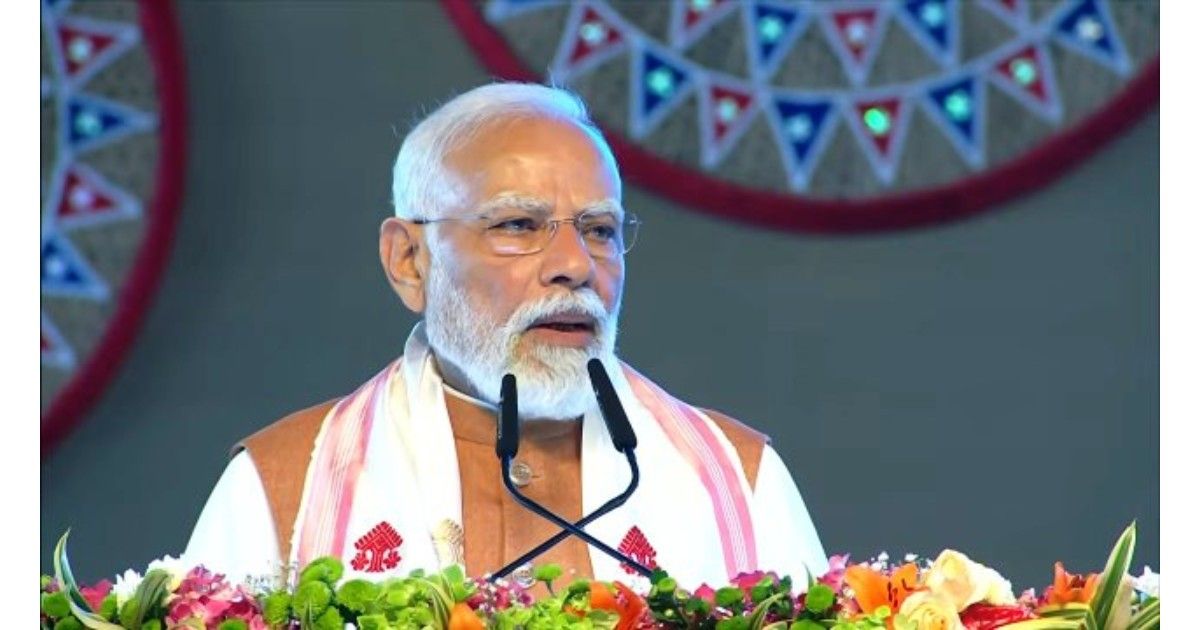
Prime Minister Narendra Modi is set to visit Rajasthan on April 21 to inaugurate a large-scale refinery and petrochemical complex at Pachpadra in Balotra district. The project, described as India’s first greenfield integrated refinery-cum-petrochemical facility, represents a significant development in the country’s energy infrastructure.
According to official information released by the Prime Minister’s Office, the inauguration is scheduled for around 11:30 am, following which the Prime Minister will address a public gathering. The project has been developed through a joint venture between Hindustan Petroleum Corporation Limited and the Rajasthan government.
Key Announcements and Highlights
The Pachpadra refinery project stands out due to its scale, technical capabilities, and expected economic impact. Built with an investment exceeding Rs 79,450 crore, the complex has a refining capacity of 9 million metric tonnes per annum (MMTPA).
A defining feature of the facility is its integration of refining and petrochemical production. The petrochemical capacity is estimated at 2.4 MMTPA, enabling the plant to produce a wide range of downstream products used in industries such as plastics, textiles, packaging, and chemicals.
The refinery also has a Nelson Complexity Index (NCI) of 17.0. This index is used globally to measure the sophistication of a refinery. A higher NCI indicates the ability to process a wider variety of crude oil types and produce high-value refined products. With this rating, the Pachpadra facility aligns with advanced international standards.
Additionally, over 26 percent of the output is expected to come from petrochemicals, a relatively high share compared to conventional refineries. This reflects a strategic shift toward value-added production rather than relying solely on fuel outputs.
Official Statement
Officials familiar with the project have described the refinery as a “landmark achievement” for India’s energy and petrochemical sectors. While avoiding promotional language, government sources emphasize that the facility is expected to contribute meaningfully to the country’s long-term goals of energy security and industrial self-reliance.
The integration of petrochemical production within the refinery is particularly important, as India has been working to reduce its dependence on imports in this segment. By producing petrochemicals domestically, the facility could help bridge supply gaps and support local manufacturing industries.
Context and Background
India is one of the world’s fastest-growing energy consumers, with demand for petroleum products and petrochemicals rising steadily due to industrial expansion, urbanisation, and increasing consumption.
Traditionally, many of India’s refineries have focused primarily on fuel production, such as petrol and diesel. However, global trends indicate a gradual shift toward petrochemicals, which are used in a wide range of everyday products—from packaging materials to synthetic fabrics and industrial chemicals.
In this context, the Pachpadra project represents a strategic move. Unlike brownfield projects, which expand existing facilities, a greenfield project is built from scratch. This allows for the incorporation of modern technology and design efficiencies from the outset.
The involvement of Hindustan Petroleum Corporation Limited, a major public sector oil and gas company, also underscores the government’s broader push to modernize the energy sector. Over the past decade, India has invested in expanding refining capacity, improving fuel quality standards, and increasing domestic production capabilities.
Rajasthan, traditionally not seen as a major industrial hub in the oil and gas sector, has emerged as a new center for energy infrastructure through this project. The location at Pachpadra was chosen due to its proximity to crude oil sources and logistical feasibility.
Public Impact
The refinery is expected to have a wide-ranging impact, both locally and nationally.
Employment Generation:
During its construction phase, the project has already created significant employment opportunities. Once fully operational, it is expected to provide both direct and indirect jobs across various sectors, including engineering, operations, maintenance, and logistics.
Industrial Development:
One of the major anticipated outcomes is the development of petrochemical and plastic parks in the surrounding region. These parks could attract investment from manufacturers who rely on petrochemical feedstock, leading to the growth of ancillary industries.
Regional Growth:
For Rajasthan, the project is likely to act as a catalyst for economic development. Infrastructure improvements, increased industrial activity, and higher employment levels could contribute to overall socio-economic progress in the region.
Energy Security:
At a national level, the refinery is expected to strengthen India’s energy security. By increasing domestic refining and petrochemical production capacity, the country can reduce its dependence on imports and better manage supply fluctuations in global markets.
Boost to ‘Make in India’:
The facility aligns with broader policy initiatives aimed at promoting domestic manufacturing. By ensuring a steady supply of raw materials for industries, it could support sectors such as plastics, textiles, and chemicals, which are key contributors to India’s economy.
Understanding the Technical Significance
To fully appreciate the importance of the Pachpadra refinery, it is useful to understand a few technical aspects:
- Greenfield Project: A project built from the ground up, allowing for modern infrastructure and design.
- Integrated Refinery-Cum-Petrochemical Complex: A facility that not only refines crude oil into fuels but also converts it into petrochemical products.
- Nelson Complexity Index (NCI): A measure of a refinery’s sophistication. Higher values indicate greater flexibility and efficiency.
- MMTPA (Million Metric Tonnes Per Annum): A unit used to measure refining or production capacity.
These features collectively position the refinery as a modern and strategically important asset in India’s energy landscape.
Broader Economic Implications
The refinery’s impact extends beyond immediate industrial benefits. By supporting downstream industries, it can contribute to export growth and reduce the trade deficit associated with petrochemical imports.
Moreover, the project could encourage further investments in infrastructure, including roads, rail connectivity, and logistics networks in the region. This, in turn, may enhance Rajasthan’s attractiveness as an industrial destination.
The development also reflects a broader trend in global energy markets, where countries are investing in integrated complexes to maximize value from crude oil rather than focusing solely on fuel production.
Environmental and Sustainability Considerations
While large-scale refineries are often associated with environmental concerns, modern facilities are designed to comply with stricter emission and efficiency standards. Although specific environmental measures for the Pachpadra project have not been detailed in the release, such projects typically incorporate technologies aimed at reducing emissions and improving energy efficiency.
Balancing industrial growth with environmental sustainability remains an ongoing challenge, and the performance of the refinery in this regard will be closely observed.
Future Outlook
The inauguration of the Pachpadra refinery marks a key milestone, but its long-term success will depend on operational efficiency, market demand, and integration with downstream industries.
As India continues to expand its energy infrastructure, projects like this are likely to play a central role in shaping the country’s industrial and economic trajectory. The refinery’s ability to support domestic manufacturing, generate employment, and enhance energy security will be critical indicators of its overall impact.
With the formal launch scheduled during the Prime Minister’s visit, attention will now shift to how quickly the facility reaches full operational capacity and how effectively it contributes to regional and national development goals.
Inputs and images : Hindusthan Samachar
Edited By E. Devanshi varma
Also Read: Udhampur Bus Tragedy Leaves 16 Dead, PM Announces ₹2 Lakh Relief for Victims’ Families
Follow us on Google News: Click Here