

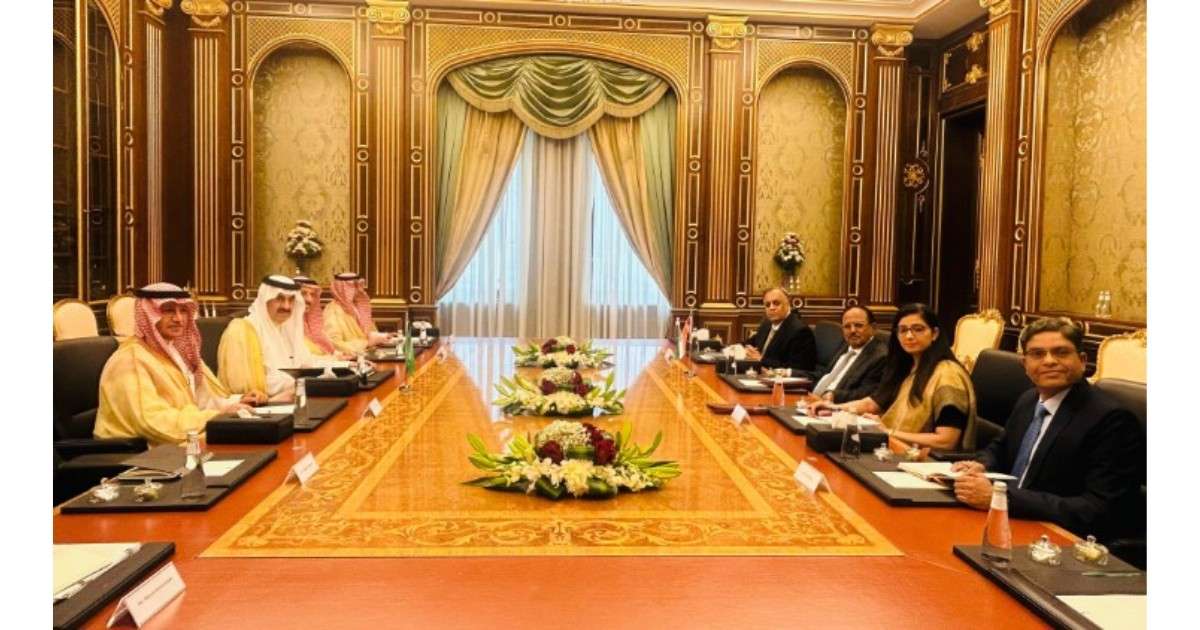
India’s National Security Adviser Ajit Doval held a series of high-level meetings in Riyadh during his official visit to Saudi Arabia, focusing on strengthening bilateral ties and reviewing the evolving security situation in West Asia.
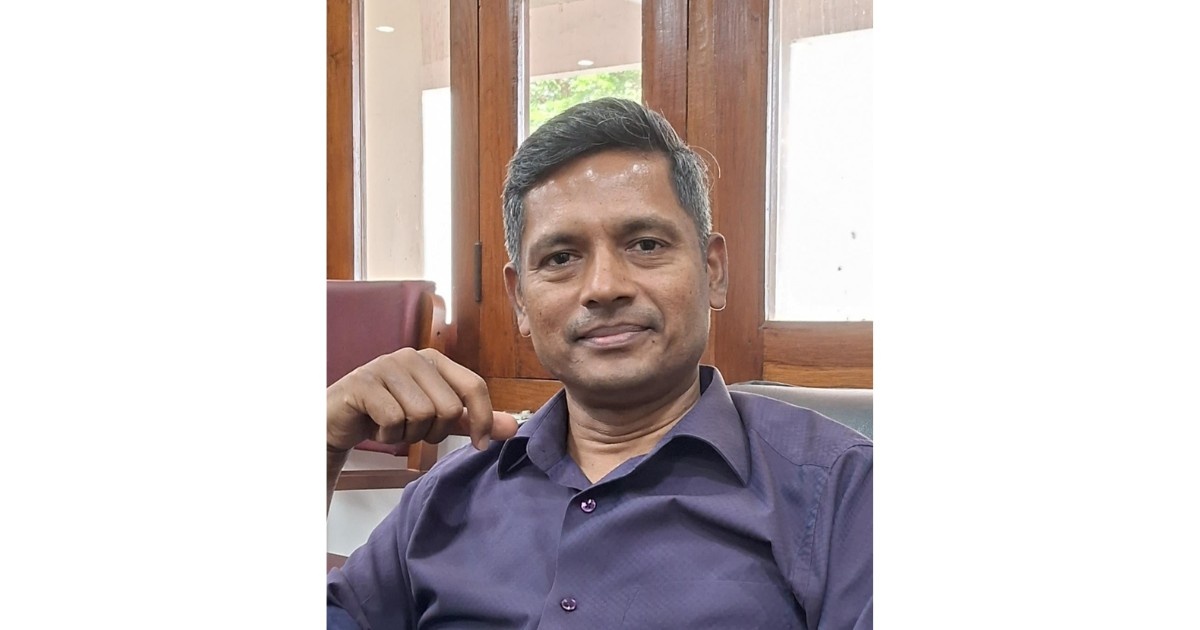
Doval arrived in Riyadh on April 19 and was received at the airport by India’s Ambassador to Saudi Arabia, Dr. Suhel Khan, along with Saudi Arabia’s Deputy Minister for Political Affairs, Dr. Saud Al-Sati.
The visit comes at a time of heightened geopolitical tensions in the region, making India’s engagement with key Gulf partners particularly significant.
Key Announcements / Highlights
- Ajit Doval met senior Saudi leadership, including ministers handling energy, foreign affairs, and national security.
- Discussions focused on expanding India–Saudi Arabia strategic ties across multiple sectors.
- Both sides reviewed the ongoing conflict in West Asia and its wider implications.
- Regional stability and cooperation were key themes during the meetings.
- The visit reinforces India’s continued diplomatic engagement in the Gulf region.
High-Level Meetings in Riyadh
During his visit, Doval held discussions with Saudi Arabia’s Energy Minister, Prince Abdulaziz bin Salman, Foreign Minister Prince Faisal bin Farhan, and National Security Adviser Dr. Musaed Al-Aiban.
These meetings covered a broad spectrum of issues, including energy cooperation, strategic coordination, and regional security challenges.
India and Saudi Arabia share a long-standing partnership that spans trade, energy, and people-to-people connections. The discussions in Riyadh aimed to deepen this relationship further, particularly in areas that are critical to both countries’ economic and strategic interests.
Focus on Bilateral Relations
Officials from both sides emphasized the importance of strengthening India–Saudi Arabia bilateral relations. Over the years, ties between the two countries have evolved into a strategic partnership, with cooperation extending beyond traditional sectors.
Energy remains a cornerstone of this relationship. Saudi Arabia is one of India’s largest suppliers of crude oil, and both countries have been exploring ways to expand cooperation in energy security, renewable energy, and investment.
Beyond energy, collaboration has also grown in areas such as defense, counterterrorism, technology, and infrastructure development. Doval’s meetings are seen as part of ongoing efforts to maintain momentum in these sectors.
Discussions on Regional Developments
A significant part of the talks focused on the ongoing situation in West Asia. The region has been witnessing heightened tensions due to ongoing conflicts and shifting geopolitical dynamics.
Both India and Saudi Arabia discussed the implications of these developments, particularly in terms of regional stability and global economic impact.
India has consistently advocated for dialogue and peaceful resolution of conflicts, given its strong economic and diaspora links with the region. Millions of Indian citizens live and work in Gulf countries, making stability in the region a key priority for New Delhi.
Saudi Arabia, as a major regional power, also plays a crucial role in shaping the political and security landscape of West Asia. The discussions between the two sides reflect a shared interest in promoting peace and stability.
Official Statement and Diplomatic Messaging
While no formal joint statement was issued, the Indian Embassy in Saudi Arabia confirmed that the visit involved discussions on bilateral cooperation and regional issues of mutual concern.
The tone of the engagement indicated a mutual commitment to strengthening ties and maintaining close coordination on key global and regional matters.
Diplomatic engagements at this level often serve as platforms for aligning strategic priorities and reinforcing trust between nations. Doval’s meetings with senior Saudi officials underscore the importance both countries attach to their partnership.
Context / Background
India–Saudi Arabia relations have seen steady growth over the past decade. The relationship was elevated to a Strategic Partnership Council in 2019, marking a significant milestone in bilateral ties.
Saudi Arabia is a key partner for India in the Gulf region, not only due to energy ties but also because of its role in regional geopolitics.
India’s engagement with Gulf countries has intensified in recent years, reflecting the region’s importance for trade, energy security, and the Indian diaspora.
The West Asia region, often referred to as the Middle East, has been experiencing complex challenges, including conflicts, economic transitions, and shifting alliances. These developments have global implications, particularly for energy markets and international trade.
Against this backdrop, high-level visits such as Doval’s are crucial for maintaining diplomatic channels and ensuring that India’s interests are safeguarded.
Public Impact: Why This Visit Matters
The outcomes of such diplomatic engagements have direct and indirect implications for the public.
Energy Security:
India relies heavily on energy imports, and stable relations with Saudi Arabia help ensure a steady supply of crude oil. This, in turn, affects fuel prices and economic stability in India.
Economic Opportunities:
Stronger bilateral ties can lead to increased investments, trade opportunities, and job creation. Saudi Arabia’s economic diversification plans under Vision 2030 present opportunities for Indian businesses.
Diaspora Welfare:
With a large Indian community residing in Saudi Arabia, diplomatic engagement helps address issues related to employment, safety, and welfare of Indian nationals.
Regional Stability:
Peace and stability in West Asia are critical for global economic balance. Any disruption in the region can impact oil prices, trade routes, and international markets, affecting everyday life in countries like India.
Strategic Significance of the Visit
Ajit Doval’s visit highlights the growing strategic convergence between India and Saudi Arabia. Both countries are increasingly collaborating on security-related issues, including counterterrorism and intelligence sharing.
The engagement also reflects India’s broader foreign policy approach of strengthening ties with key partners in the Gulf region. As global geopolitical dynamics continue to evolve, such partnerships are becoming more important.
Saudi Arabia, on the other hand, is expanding its global partnerships as part of its economic and strategic transformation. India, with its large market and growing economy, is a natural partner in this process.
Looking Ahead
The discussions in Riyadh are expected to pave the way for further high-level engagements and cooperation initiatives between the two countries.
While specific outcomes of the meetings may unfold over time, the visit reinforces the importance of sustained dialogue and collaboration in addressing shared challenges.
As both nations continue to navigate a complex global environment, their partnership is likely to play a key role in shaping regional stability and economic growth.
Inputs and images : Hindusthan Samachar
Edited By E. Devanshi varma
Also Read: Pachpadra Refinery Inauguration Marks 1 Major Boost to India’s Energy Sector
Follow us on Google News: Click Here