


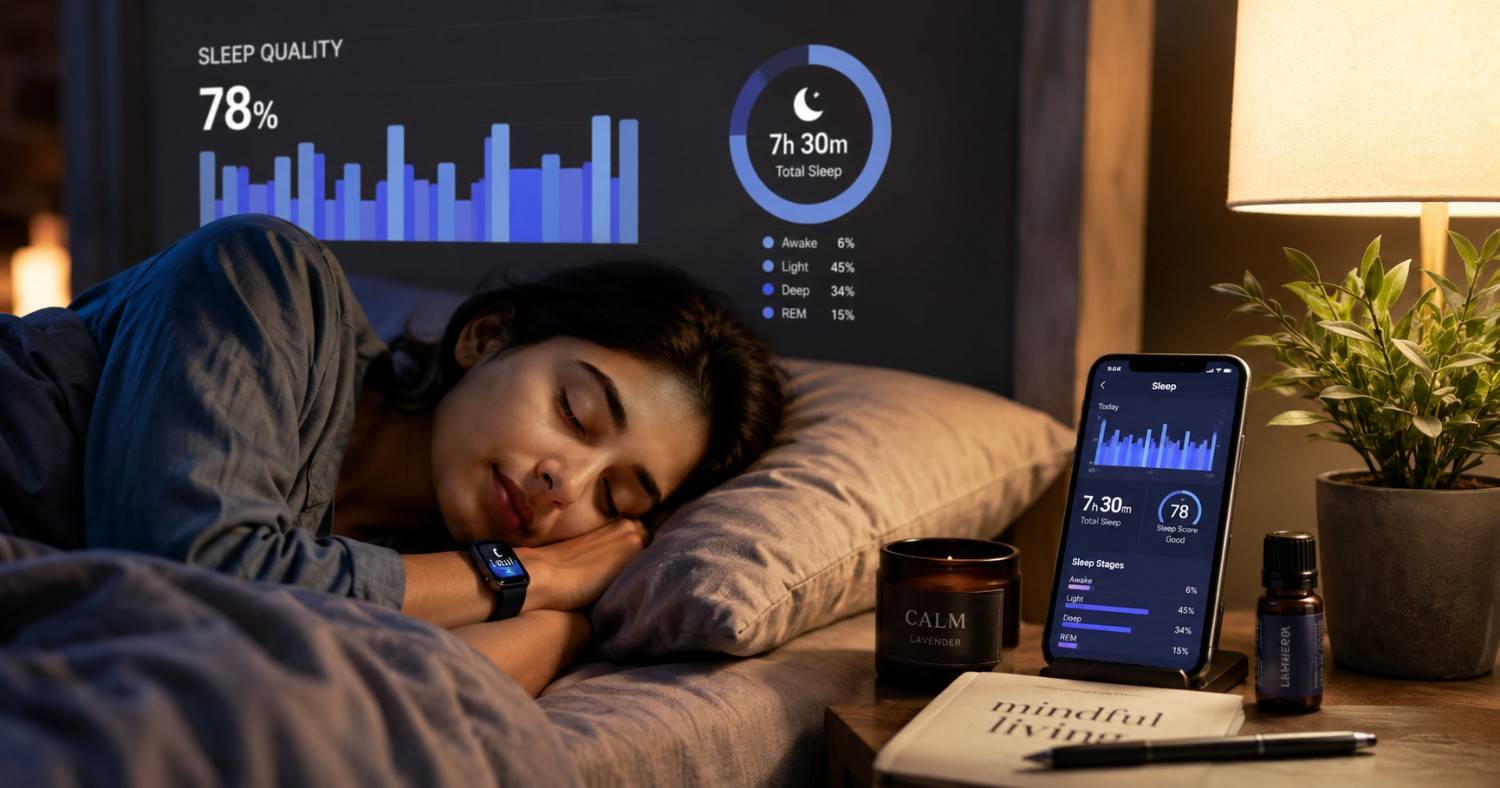
For years, conversations around health and fitness in India largely revolved around dieting, gym culture, weight loss, and productivity. But a noticeable shift is now taking place among younger consumers, particularly Gen Z. Sleep — once treated as secondary to hustle culture and long work hours — is rapidly becoming one of the country’s fastest-growing wellness priorities.
Across Indian cities, young adults are increasingly investing time, money, and attention into improving their sleep quality. From sleep-tracking smartwatches and calming bedtime routines to magnesium supplements and meditation apps, a new sleep-focused wellness culture is emerging among urban youth.
The trend reflects broader changes in lifestyle, work pressure, digital consumption, and mental health awareness. It also signals how Gen Z is redefining wellness differently from previous generations.
Sleep Is No Longer Viewed as “Wasted Time”
For decades, sleep deprivation was often associated with ambition and hard work. Students pulled all-nighters before exams, professionals glorified long office hours, and social media celebrated “grind culture.” But younger Indians are beginning to challenge that mindset.
Health experts say Gen Z consumers are now more aware of how sleep directly affects concentration, emotional stability, immunity, skin health, metabolism, and long-term mental well-being.
The shift has become especially visible after the COVID-19 pandemic, which disrupted routines and increased conversations around anxiety, stress, and burnout. Many young professionals working remotely experienced irregular sleep cycles, digital fatigue, and emotional exhaustion during that period.
As a result, sleep has gradually moved from being an overlooked necessity to a visible part of modern self-care culture.
The Rise of “Sleepmaxxing” and Digital Wellness Trends
Social media platforms have played a major role in popularizing sleep-related wellness habits. Global trends such as “sleepmaxxing” — a term used online to describe optimizing sleep quality through routines, products, and recovery techniques — have gained traction among younger audiences in India as well.
Influencers frequently share nighttime skincare rituals, calming playlists, sleep-friendly diets, room lighting setups, and gadget recommendations designed to improve rest and recovery. Hashtags related to sleep hygiene, deep sleep, and wellness routines continue to generate millions of views across short-video platforms.
While some of these trends are rooted in genuine health awareness, experts caution that social media can sometimes oversimplify complex medical or psychological issues.
Doctors say sleep problems can stem from deeper causes including anxiety disorders, work stress, hormonal imbalances, lifestyle habits, or excessive screen exposure. As a result, online advice should not replace professional medical guidance in serious cases.
Smart Devices Are Turning Sleep Into Measurable Data
One of the biggest drivers behind the trend is the growing popularity of wearable technology. Fitness bands and smartwatches are no longer used only for counting steps or monitoring workouts. Sleep tracking has become one of the most widely used features among younger consumers.
These devices monitor sleep duration, heart rate, oxygen levels, and sleep stages, giving users daily reports on the quality of their rest. Many apps also provide recommendations for bedtime schedules, breathing exercises, and stress management.
Industry analysts say the Indian wellness technology market has expanded rapidly over the past few years due to increased smartphone penetration and health-conscious digital consumers.
For Gen Z users, sleep data offers a sense of control and self-awareness. Many now treat sleep scores similarly to fitness goals, attempting to improve consistency and recovery patterns over time.
However, sleep specialists warn that excessive dependence on tracking devices may also create unnecessary anxiety, especially among individuals who become obsessed with achieving “perfect” sleep metrics.
Mental Health Awareness Is Changing the Conversation
Mental health discussions have become significantly more open among younger Indians compared to previous generations. Psychologists say this cultural change is directly influencing attitudes toward sleep.
Young adults are increasingly recognizing the connection between insufficient sleep and emotional instability, irritability, poor academic performance, and workplace burnout.
Corporate professionals in fast-paced urban environments often struggle with long commutes, irregular work schedules, constant online connectivity, and late-night screen exposure. College students face academic competition, career uncertainty, and social pressure amplified through digital platforms.
As awareness around therapy, emotional well-being, and self-care grows, sleep is being viewed as a foundational part of mental health rather than merely a biological routine.
Some companies have also started integrating focused initiatives such as mental health leave, flexible work arrangements, mindfulness sessions, and burnout prevention strategies. Though such policies are still evolving in India, they reflect changing workplace expectations among younger employees.
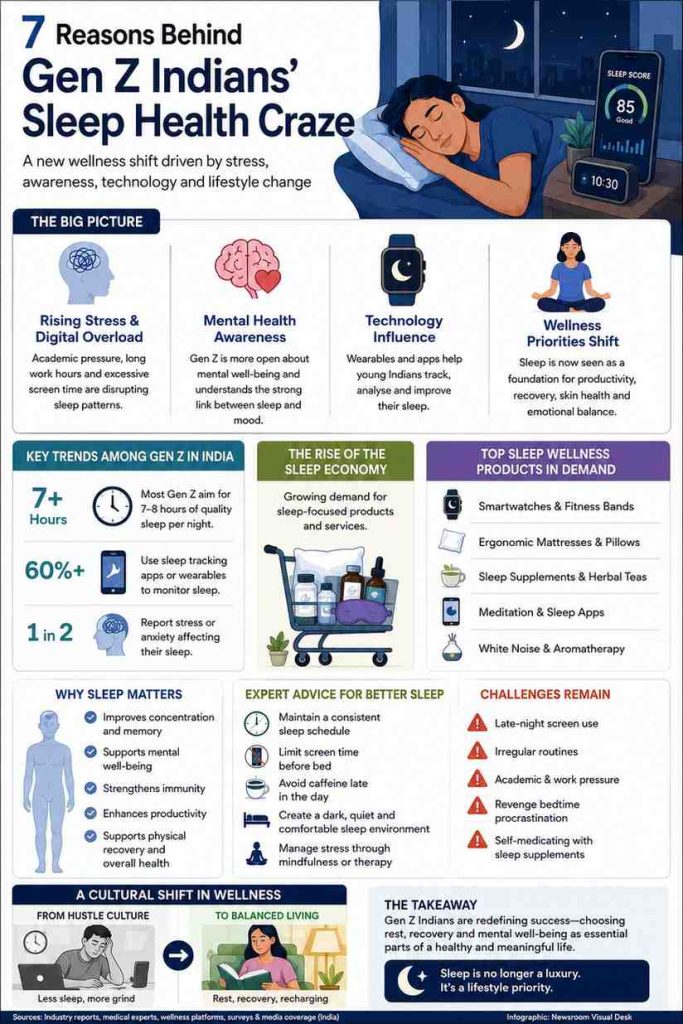
India’s Sleep Economy Is Expanding Rapidly
The growing focus on sleep has also created new business opportunities across the wellness industry.
Brands are increasingly marketing products designed specifically for better rest and recovery. These include:
- Orthopedic and ergonomic mattresses
- Smart pillows and sleep lighting systems
- Herbal teas and calming beverages
- Meditation and sleep-audio apps
- Essential oils and aromatherapy products
- Blue-light filtering glasses
- Sleep supplements and melatonin products
E-commerce platforms have reported rising consumer interest in sleep-related wellness products, particularly among urban millennials and Gen Z buyers.
Several startups are also entering the sleep-tech and wellness space, positioning better sleep as a premium lifestyle investment rather than a medical necessity alone.
Marketing campaigns now frequently frame sleep as part of productivity, beauty, recovery, and emotional wellness — a major cultural shift from older attitudes that prioritized endurance over rest.
Experts Say Lifestyle Habits Remain the Biggest Challenge
Despite rising awareness, medical professionals say many young Indians still struggle with unhealthy routines that directly affect sleep quality.
Late-night scrolling, binge-watching, gaming, irregular eating schedules, caffeine consumption, and prolonged exposure to artificial lighting continue to disrupt natural sleep cycles.
According to sleep specialists, one of the most common problems among urban youth is “revenge bedtime procrastination,” a behavior in which individuals delay sleep to reclaim personal time after stressful work or study schedules.
Doctors recommend several evidence-based habits to improve sleep quality naturally, including:
- Maintaining consistent sleep timings
- Reducing screen exposure before bedtime
- Avoiding caffeine late in the day
- Creating dark, quiet sleeping environments
- Exercising regularly
- Managing stress through mindfulness or therapy when necessary
Health experts also caution against self-medicating with sleep supplements without professional consultation, particularly because sleep disorders may require deeper clinical evaluation.
The Wellness Industry Is Adapting to a New Generation
The growing sleep-health movement highlights a broader transformation in India’s economy. Unlike earlier generations that focused heavily on visible fitness goals, Gen Z consumers appear more interested in balance, recovery, and sustainable health habits.
Industry observers say younger audiences are increasingly willing to spend on preventive wellness rather than waiting for medical problems to emerge. This includes therapy, nutrition, mindfulness, skincare, and now sleep optimization.
Brands are responding by positioning wellness products around emotional well-being, stress reduction, and healthier routines instead of purely appearance-driven messaging.
The trend also reflects a changing relationship between technology and health. While digital devices contribute to sleep disruption, they are simultaneously being used to monitor, manage, and improve wellness behaviors.
This paradox defines much of modern Gen Z health culture: balancing hyper-connectivity with growing awareness of mental and physical recovery.
As conversations around burnout, stress, and emotional exhaustion continue to expand in India, may increasingly become one of the country’s most influential lifestyle and healthcare discussions rather than simply a nighttime habit.
Highlights
- health has emerged as a major wellness priority among Gen Z Indians amid rising stress, screen fatigue, and burnout concerns.
- Young adults are increasingly using sleep trackers, smartwatches, meditation apps, and wellness routines to improve sleep quality.
- Doctors and mental health experts say poor sleep is now closely linked to anxiety, reduced productivity, and emotional exhaustion among urban youth.
- India’s growing sleep economy is seeing increased demand for sleep-focused products including supplements, ergonomic mattresses, white-noise devices, and digital wellness tools.
- Social media trends around “sleepmaxxing,” recovery routines, and mindful living are influencing how younger consumers approach rest and self-care.
- Experts warn that while sleep awareness is improving, excessive dependence on gadgets and online wellness trends may also create unhealthy sleep anxiety.
FAQ
Why are Gen Z Indians becoming more focused on sleep health?
Growing awareness around mental health, burnout, stress, and overall wellness has encouraged many young Indians to prioritize better sleep habits. Social media trends and wearable technology have also contributed to increased interest in sleep quality.
What is “sleepmaxxing”?
“Sleepmaxxing” is a wellness trend focused on optimizing sleep quality through routines, lifestyle changes, gadgets, supplements, and recovery-focused habits aimed at improving rest and overall health.
How are smart devices influencing sleep habits?
Smartwatches and fitness trackers allow users to monitor sleep duration, heart rate, and recovery patterns. Many younger consumers use this data to improve bedtime routines and track wellness goals.
Can poor sleep affect mental health?
Yes. Health experts say insufficient or irregular sleep can contribute to anxiety, mood instability, stress, reduced concentration, and emotional exhaustion over time.
What industries are benefiting from the sleep-health trend?
The wellness, wearable technology, mattress, digital health, meditation app, and supplement industries are all seeing increased consumer interest linked to sleep-focused lifestyles.
Are sleep-tracking devices always accurate?
While wearable devices can provide useful estimates and trends, medical professionals say they should not replace professional diagnosis or clinical sleep assessments when serious sleep problems exist.
What are common causes of poor sleep among young adults?
Late-night screen exposure, work stress, irregular schedules, caffeine intake, social media use, and anxiety are among the most common factors affecting sleep quality.
Is the growing focus on sleep part of a larger wellness shift?
Yes. Experts say Gen Z consumers are increasingly prioritizing preventive wellness, mental health, recovery, and balanced lifestyles instead of only appearance-based fitness goals.
Edited By E. Devanshi varma
Also Read: Assam Assembly Polls See 7 Major Highlights as Turnout Peaks, Counting Set for May 4
Follow us on Google News: Click Here