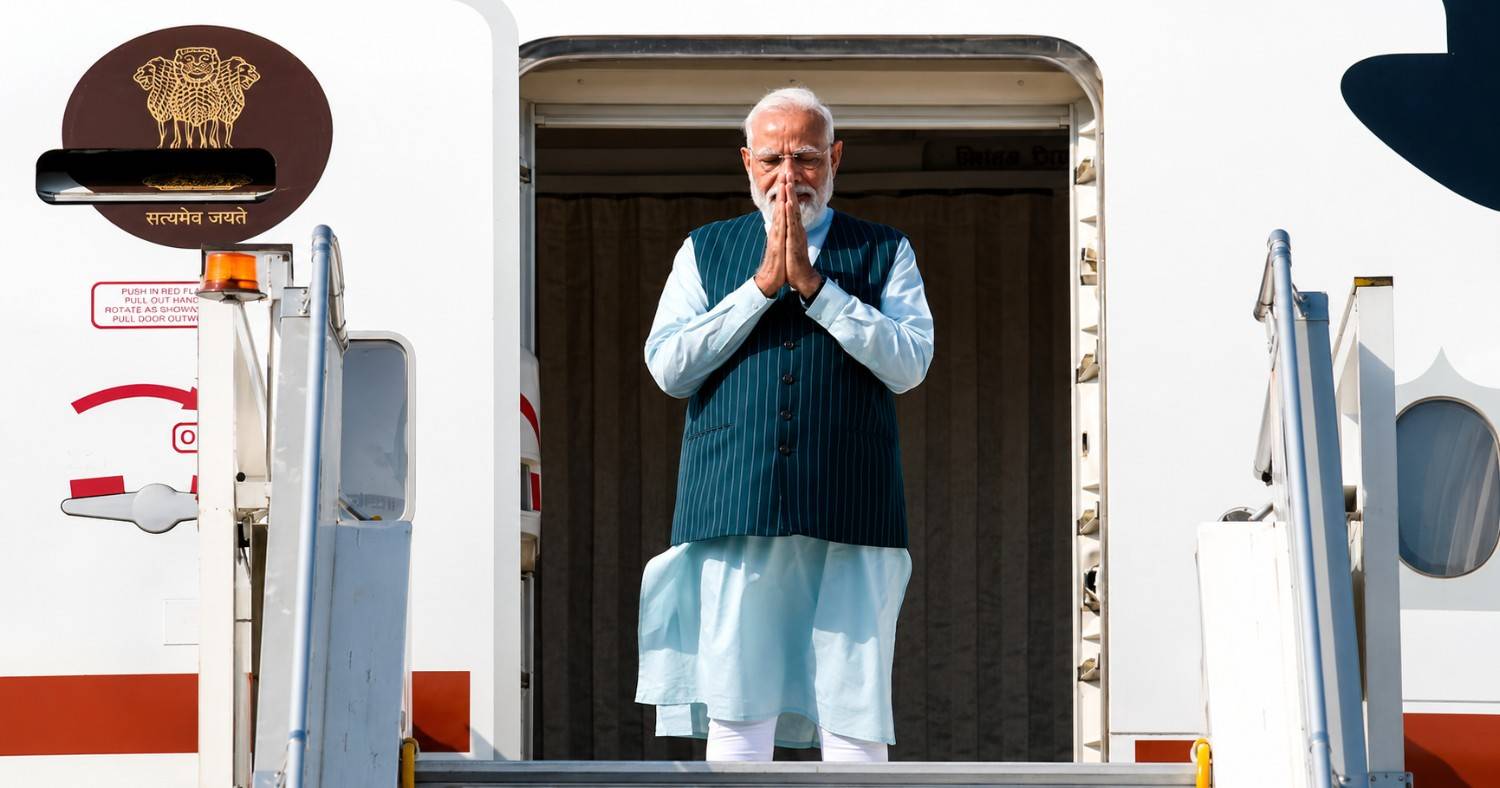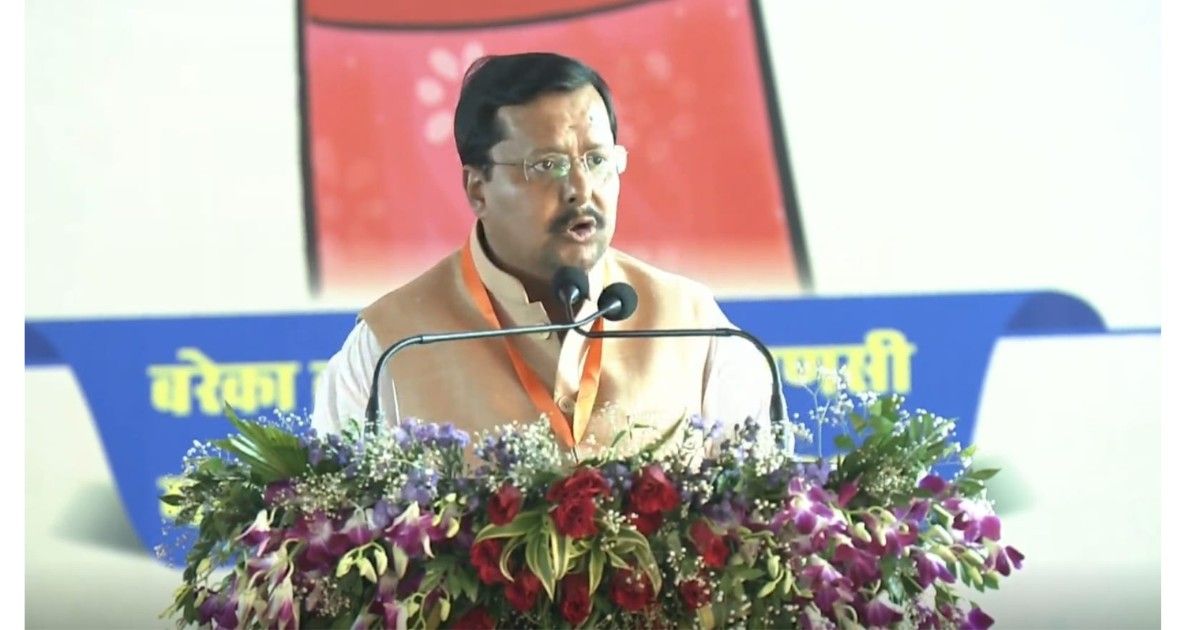


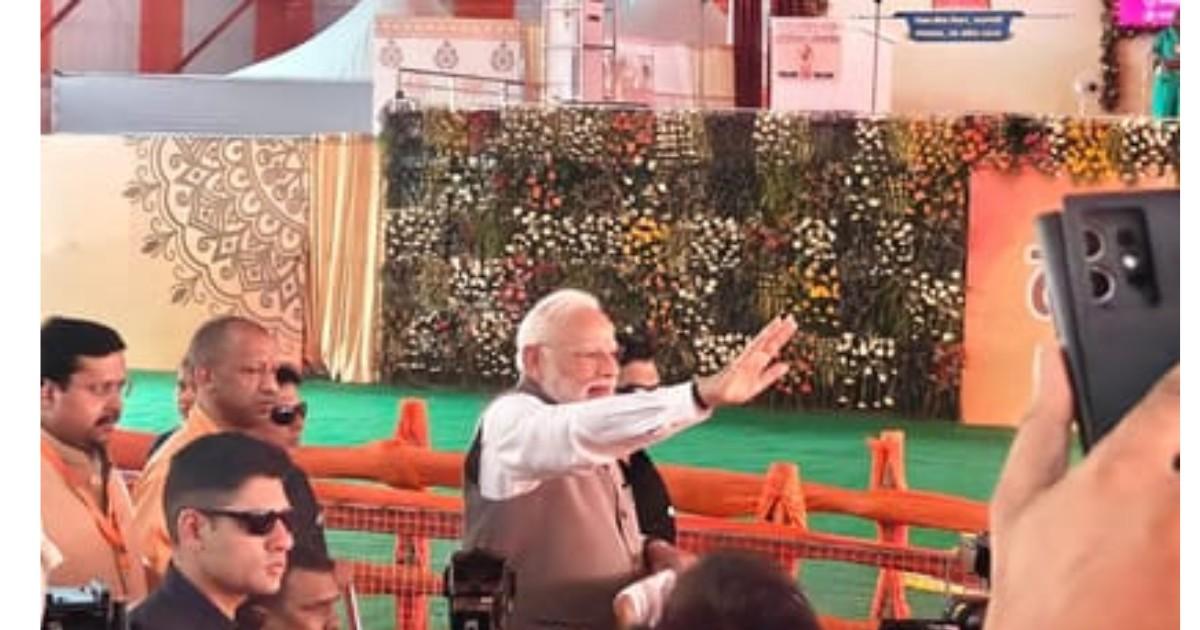
Prime Minister Narendra Modi on Tuesday announced a major development push for Varanasi, his parliamentary constituency, unveiling and initiating 163 projects with a combined investment of ₹6,332 crore. The event took place at the Bareka Inter-College ground, drawing a large public gathering and senior political leadership from Uttar Pradesh.
In addition to infrastructure announcements, the Prime Minister flagged off two new Amrit Bharat Express trains connecting Banaras to Pune and Ayodhya to Mumbai, marking a step toward improved long-distance rail connectivity.
Development Package Spans Infrastructure and Urban Growth
The announced projects cover a wide range of sectors aimed at strengthening urban infrastructure and improving quality of life in Varanasi. According to official details, 50 projects worth ₹1,054.69 crore were inaugurated during the event, while foundation stones were laid for 113 projects amounting to ₹5,277.39 crore.
These projects include road development, water supply systems, healthcare facilities, and urban infrastructure upgrades. Additionally, several initiatives are focused on tourism development, particularly riverfront projects that aim to enhance the city’s appeal as a global spiritual destination.
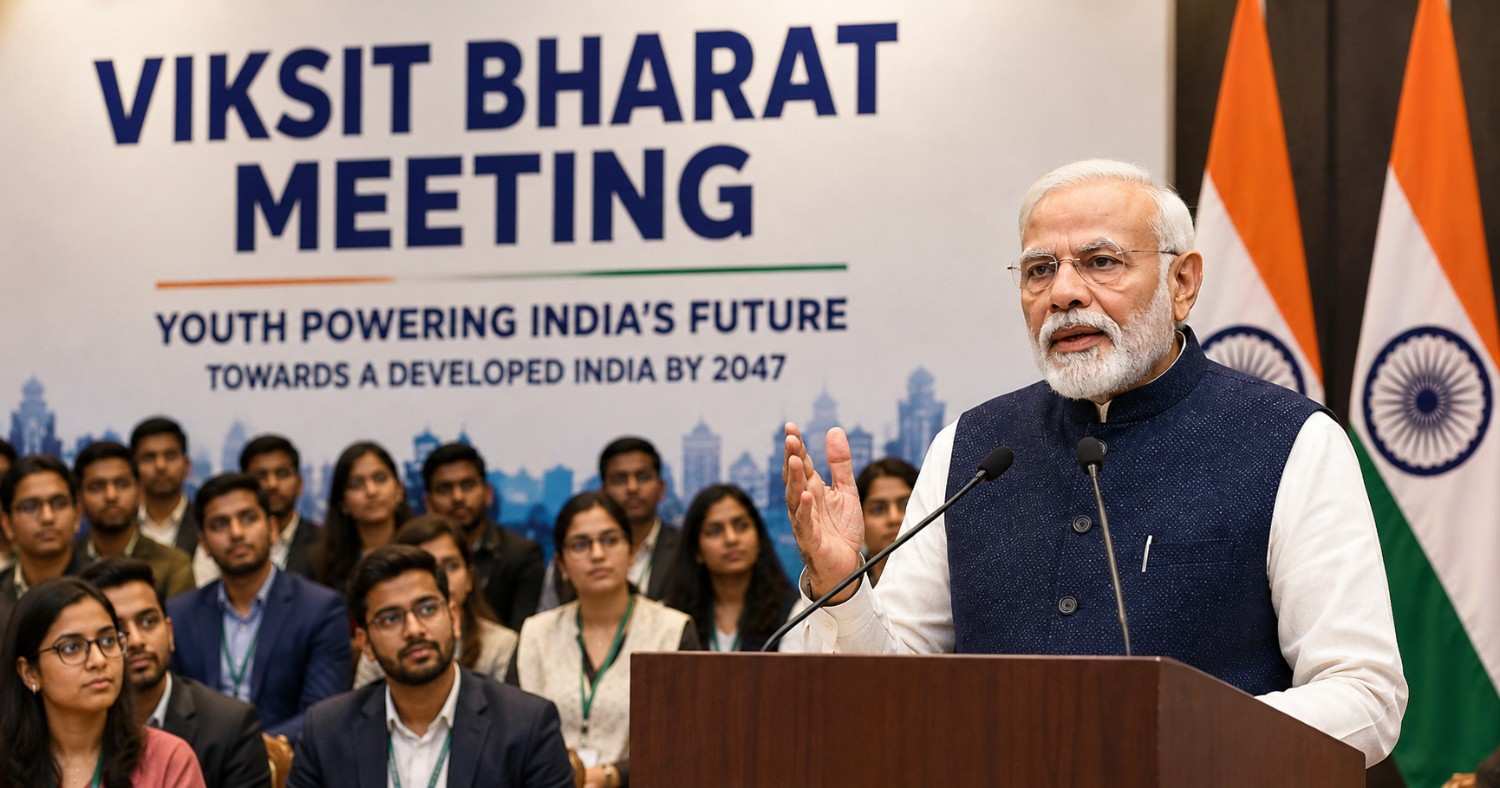
Authorities indicated that the projects are aligned with broader efforts to modernise Varanasi while preserving its historical and cultural identity. The development push is also positioned within the central government’s long-term “Viksit Bharat” vision, which seeks to improve infrastructure and economic opportunities across the country.
Focus on Connectivity with New Train Services
A major highlight of the event was the launch of two new Amrit Bharat Express trains. These trains are designed to improve travel convenience for both pilgrims and regular commuters.
The Banaras–Pune (Hadapsar) route is expected to provide direct connectivity between eastern Uttar Pradesh and Maharashtra, reducing the need for multiple transfers. Similarly, the Ayodhya–Mumbai (Lokmanya Tilak Terminus) service aims to streamline travel between two key regions with high passenger demand.
Officials noted that these services are likely to significantly reduce travel time and improve passenger comfort. The new trains are also expected to boost religious tourism, particularly for pilgrims traveling to Varanasi and Ayodhya, both of which hold deep cultural and spiritual significance.
Women-Centric Event Highlights
The public gathering, described as a ‘Jan Aakrosh Mahila Sammelan,’ stood out for its strong focus on women’s participation. Organisers reported that tens of thousands of women attended the event.
In a notable arrangement, the entire security and logistical management of the event was handled by women personnel. This included crowd management, route security, and coordination roles, marking a rare instance of a large-scale public event being managed predominantly by women staff.
The Prime Minister acknowledged the role of women during his interaction with the crowd, aligning the event’s messaging with the broader theme of “Nari Shakti,” or women’s empowerment.
Symbolism and Public Interaction
Upon arrival, the Prime Minister traveled in an open-top vehicle, greeting attendees along the route. The interaction was aimed at engaging directly with the public, particularly women participants present at the gathering.
On stage, the backdrop prominently featured imagery of the new Parliament building, reflecting the government’s broader narrative of institutional and infrastructural transformation. During the event, the Prime Minister was presented with a sculpted representation of the Indian peacock, symbolising cultural heritage and national identity.
Presence of Senior Leadership
The event was attended by several key political leaders, including Uttar Pradesh Chief Minister Yogi Adityanath and Governor Anandiben Patel. Senior members of the state government, including Deputy Chief Ministers Keshav Prasad Maurya and Brajesh Pathak, were also present.
The participation of top leadership underscored the importance of the development initiatives being announced and highlighted the coordinated efforts between central and state governments.
Broader Context of Varanasi’s Development
Varanasi has witnessed significant infrastructure investment over the past decade, particularly after Narendra Modi was elected as its Member of Parliament. The city has seen upgrades in road networks, sanitation systems, and riverfront development, including projects along the Ganga river.
Government officials have consistently positioned Varanasi as a model for urban transformation that balances modernization with heritage preservation. Projects such as corridor developments near major temples and improved civic amenities have aimed to make the city more accessible and tourist-friendly.
The latest round of announcements builds on this trajectory, indicating continued investment in both physical infrastructure and service delivery systems.
Economic and Social Impact
The newly announced projects are expected to have multiple layers of impact. Infrastructure upgrades are likely to improve mobility within the city and reduce congestion, while better water supply and healthcare facilities can enhance living standards.
Tourism-related projects may contribute to increased visitor inflows, which in turn can support local businesses and generate employment opportunities. Improved rail connectivity is also expected to facilitate trade and movement of people between regions, strengthening economic linkages.
For residents, these developments could translate into better access to essential services and improved urban amenities. For pilgrims and tourists, enhanced infrastructure may offer a more seamless travel experience.
Looking Ahead
The government has indicated that the projects will be implemented in phases, with timelines varying depending on the nature and scale of each initiative. Monitoring mechanisms are expected to be in place to ensure timely completion.
The launch of new train services is likely to have an immediate impact on travel patterns, while infrastructure projects may take longer to deliver visible outcomes. However, the combined effect of these initiatives is expected to shape Varanasi’s growth trajectory in the coming years.
As the city continues to evolve, the challenge will remain to balance rapid development with the preservation of its cultural and spiritual essence—an aspect that has been central to policy discussions around Varanasi’s transformation.
Inputs and images : Hindusthan Samachar
Edited By E. Devanshi varma
Also Read: NGT Ruling Upholds Waste Facility Plan with 80% Work Complete in West Delhi
Follow us on Google News: Click Here