

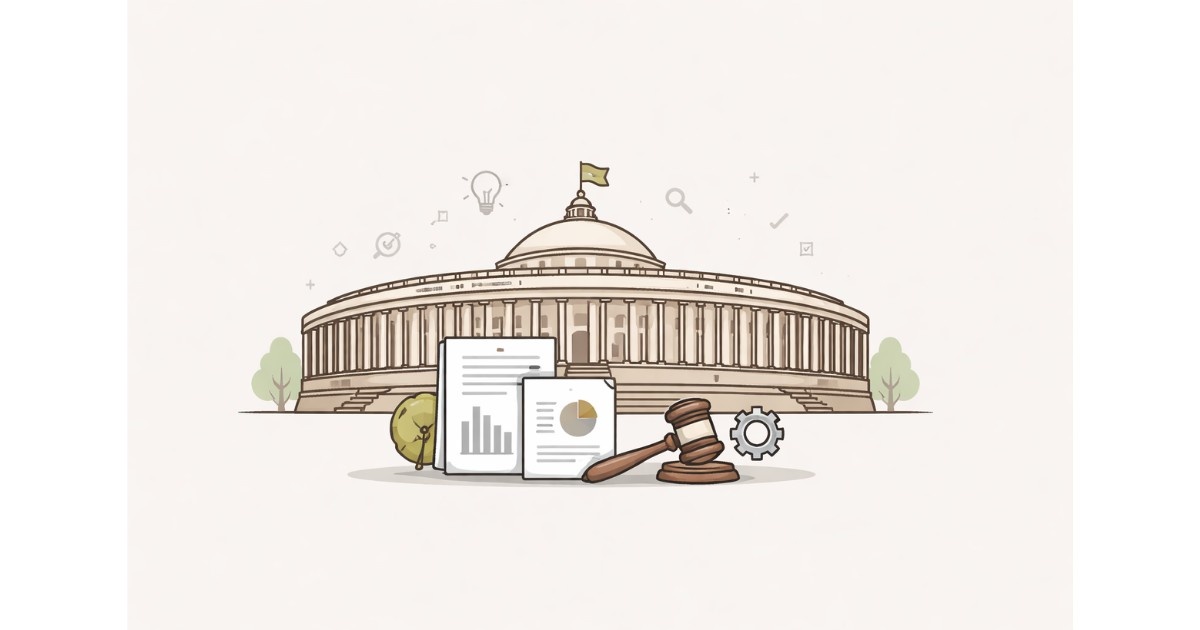
New Delhi — India’s parliamentary proceedings have recently witnessed a series of significant developments, with lawmakers engaging in debates on economic policy, governance reforms, and social welfare initiatives. Sessions in both the Lok Sabha and Rajya Sabha have centered on legislative proposals and government briefings, reflecting the administration’s policy direction and the opposition’s scrutiny.
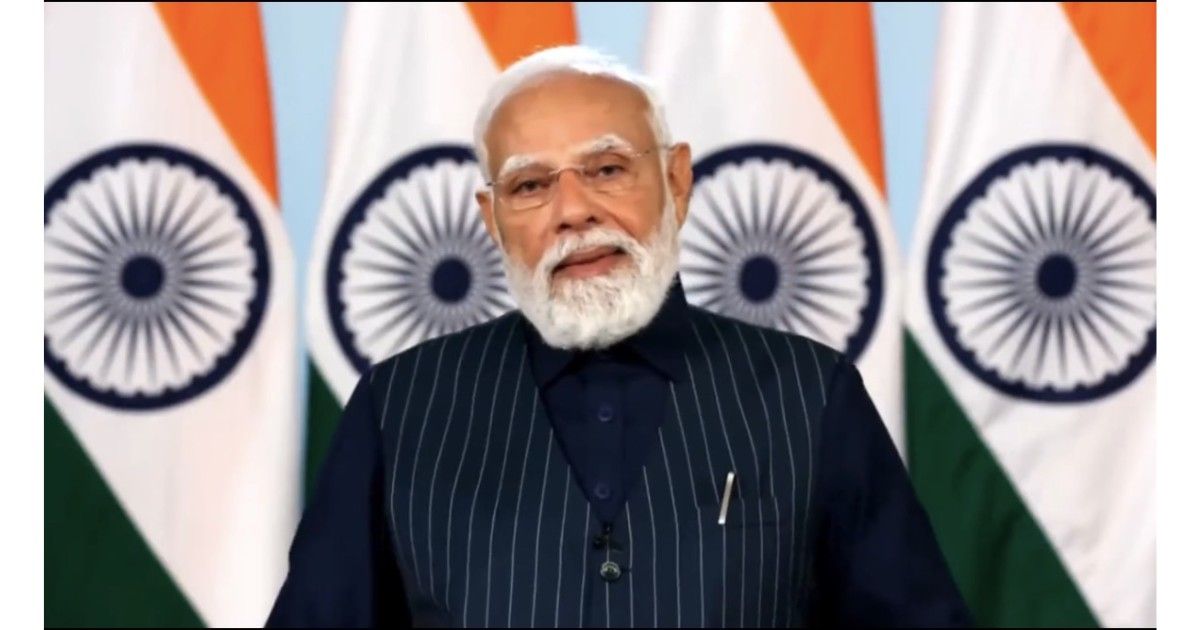
Officials from the government, led by Prime Minister Narendra Modi, have presented updates on ongoing reforms and flagship programs, while members of the opposition have raised questions regarding execution, transparency, and inclusivity.
Legislative Agenda and Policy Focus
During the latest sittings, the government introduced and discussed multiple bills aimed at strengthening regulatory frameworks and improving administrative efficiency. According to statements made in Parliament, priority areas include digital governance, infrastructure expansion, and financial sector stability.
Union ministers outlined that reforms are designed to enhance ease of doing business and support long-term economic growth. The Ministry of Finance emphasized fiscal discipline alongside targeted public spending, particularly in sectors such as healthcare, education, and rural development.
Members of Parliament (MPs) also debated measures related to taxation policies and investment incentives. Government representatives stated that these steps are intended to attract both domestic and foreign investments, contributing to job creation and economic resilience.
Economic Policy Updates
A major focus of parliamentary discussions has been the state of the Indian economy. Government officials reiterated that India remains one of the fastest-growing major economies, citing recent macroeconomic indicators presented in official reports.
Finance Ministry representatives highlighted stable inflation trends and improving industrial output. However, opposition leaders pointed to challenges including unemployment levels and income disparities, urging the government to provide more detailed data and targeted interventions.
In response, government ministers stated that multiple schemes are being implemented to boost employment, particularly through infrastructure projects and skill development initiatives. Programs under the Skill India mission and startup ecosystem support were cited as examples.
Welfare Schemes and Social Sector Initiatives
Parliamentary sessions also featured extensive discussions on social welfare programs. Government officials provided updates on schemes aimed at poverty alleviation, housing, and food security.
The Ministry of Rural Development presented progress reports on rural housing initiatives, stating that millions of beneficiaries have received assistance under government programs. Similarly, the Ministry of Consumer Affairs outlined the distribution of subsidized food grains under national food security measures.
Opposition MPs, while acknowledging progress in certain areas, raised concerns about implementation gaps, delays in fund disbursement, and accessibility in remote regions. They called for stronger monitoring mechanisms and transparency in beneficiary identification.
Government representatives responded by affirming that digital platforms and direct benefit transfer (DBT) systems have improved efficiency and reduced leakages in welfare distribution.
Infrastructure and Development Projects
Infrastructure development emerged as another key topic of debate. The government presented updates on ongoing projects in transportation, energy, and urban development.
Officials highlighted progress in highway construction, railway modernization, and renewable energy expansion. According to statements in Parliament, these projects are expected to enhance connectivity, reduce logistics costs, and support economic growth.
Urban development initiatives, including smart city projects, were also reviewed. Ministers stated that these efforts aim to improve urban infrastructure, public services, and sustainability.
Opposition members questioned project timelines and budget allocations, urging the government to ensure timely completion and avoid cost overruns. They also emphasized the need for environmental safeguards in large-scale infrastructure projects.
Digital Governance and Technology Initiatives
The government’s push toward digital governance was another major theme. Ministers outlined initiatives to expand digital infrastructure and improve public service delivery through technology.
Programs aimed at increasing internet connectivity in rural areas and promoting digital literacy were discussed. Government officials stated that digital platforms are being leveraged to streamline administrative processes and enhance citizen engagement.
Cybersecurity measures were also addressed, with the government emphasizing the importance of protecting digital systems and data. Opposition MPs called for clearer policies and stronger safeguards to address emerging cyber threats.
Regulatory and Legal Reforms
Parliamentary debates included discussions on legal and regulatory reforms designed to improve governance and accountability. Bills related to financial regulation, corporate governance, and public administration were examined.
Government representatives stated that these reforms are intended to modernize existing frameworks and align them with global standards. They emphasized transparency, efficiency, and ease of compliance as key objectives.
Opposition leaders raised concerns about certain provisions, arguing that more stakeholder consultation may be necessary. They also highlighted the importance of balancing regulatory oversight with ease of doing business.
Federal Relations and State Concerns
Issues related to federal relations and state-level governance were also brought up during parliamentary discussions. MPs from various states raised concerns about fund allocations, resource distribution, and implementation of central schemes.
Government officials responded by stating that cooperative federalism remains a guiding principle, with efforts being made to ensure equitable distribution of resources. They highlighted ongoing consultations with state governments and the role of intergovernmental forums in policy coordination.
Opposition members called for greater autonomy for states in certain policy areas and emphasized the need for timely release of funds.
Foreign Policy and International Relations
While domestic issues dominated proceedings, Parliament also received updates on India’s foreign policy engagements. The Ministry of External Affairs briefed lawmakers on recent diplomatic initiatives and international partnerships.
Government representatives highlighted India’s role in global forums and its efforts to strengthen bilateral relations with key countries. Trade agreements, strategic partnerships, and regional cooperation initiatives were discussed.
Opposition MPs sought clarifications on specific foreign policy decisions and their implications for national interests. They emphasized the importance of transparency and parliamentary oversight in international agreements.
Opposition’s Role and Key Concerns
The opposition played an active role in parliamentary debates, raising questions on governance, policy implementation, and accountability. Key concerns included unemployment, inflation, and the impact of policies on small businesses and farmers.
Opposition leaders also called for more detailed data and regular updates on government programs. They emphasized the need for inclusive growth and equitable distribution of resources.
Government representatives responded by reiterating their commitment to transparency and accountability, stating that regular reports and updates are provided through parliamentary mechanisms.
Parliamentary Functioning and Productivity
The functioning of Parliament itself was also a subject of discussion. Both treasury and opposition benches highlighted the importance of constructive debate and legislative productivity.
According to official records, several bills have been introduced and discussed during the current session. However, disruptions and adjournments have affected proceedings at times.
Parliamentary affairs officials emphasized the need for cooperation among political parties to ensure smooth functioning and effective lawmaking.
Expert Perspectives
Policy analysts and experts have noted that parliamentary debates provide critical insights into the government’s priorities and the challenges facing the country. They emphasize the importance of robust legislative scrutiny in ensuring effective governance.
Experts also highlight that the success of policies depends not only on legislative approval but also on implementation at the ground level. They call for continuous monitoring and evaluation of programs to achieve desired outcomes.
Conclusion
The recent proceedings in the Parliament of India reflect a broad spectrum of policy discussions and governance updates. From economic reforms and welfare initiatives to infrastructure development and digital governance, lawmakers have engaged in debates that shape the country’s policy landscape.
While the government has outlined its priorities and progress, the opposition has raised concerns and sought accountability, underscoring the role of Parliament as a forum for democratic deliberation.
As sessions continue, further discussions and legislative actions are expected to address ongoing challenges and advance policy objectives. The outcomes of these debates will play a significant role in shaping India’s economic and social trajectory in the coming months.
Edited By E. Devanshi varma
Also Read: RCB Plans Emotional Tribute for Stampede Victims Ahead of IPL 2026 Season
Follow us on Google News: Click Here