

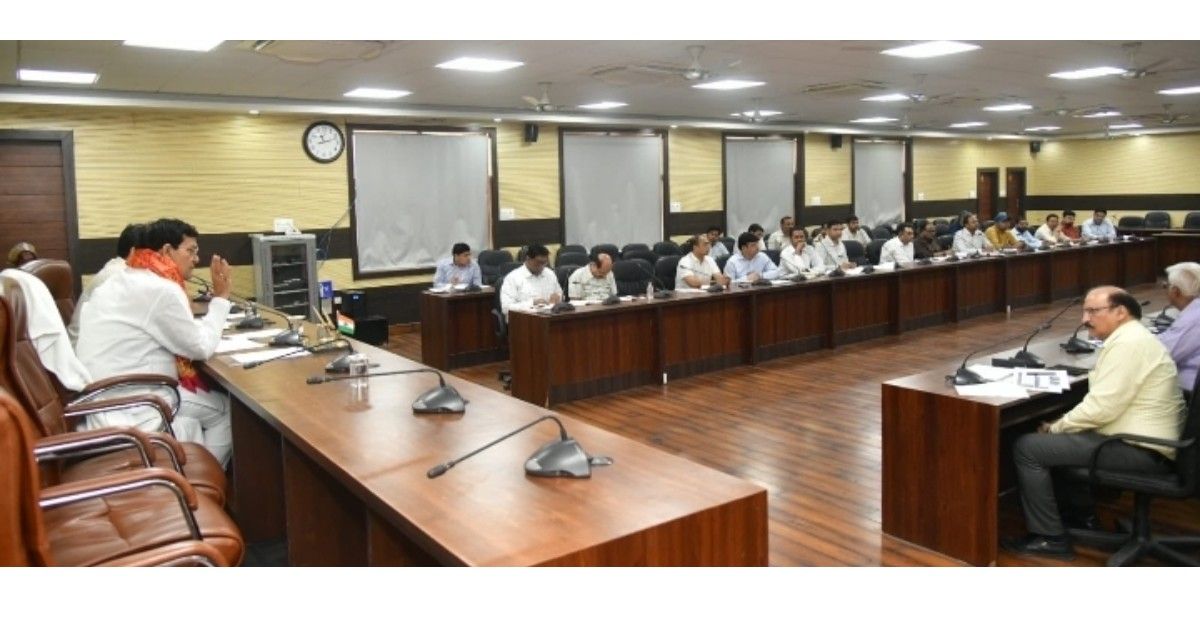
As temperatures begin to rise across northern India, the Uttar Pradesh(UP) government has stepped up efforts to ensure uninterrupted electricity supply and better urban management in key cities. On March 26, Uttar Pradesh’s Energy and Urban Development Minister AK Sharma chaired a comprehensive review meeting in Varanasi, focusing on preparedness for the summer season.
The meeting, held at the Circuit House, brought together senior officials from the municipal corporation and the power distribution department. With Varanasi being a major religious and tourist destination, the minister stressed the need for both reliable infrastructure and improved civic conditions during the high-footfall months.
Key Announcements and Directives
At the center of the discussion was the need to prevent power disruptions during summer, when electricity demand typically spikes due to increased usage of air conditioners, coolers, and other appliances.
The minister issued a set of clear directives to the Purvanchal Vidyut Vitaran Nigam Limited (PVVNL), which handles power distribution in eastern Uttar Pradesh. These instructions focused on strengthening the existing infrastructure and addressing long-standing issues.
Among the key measures outlined were:
- Immediate repair of hanging and exposed electrical wires across the city
- Replacement of outdated and worn-out cables to reduce technical faults
- Transition from overhead wiring systems to underground cabling in sensitive areas
- Installation of permanent electric poles to replace temporary bamboo structures still in use in some localities
- Ensuring safety and maintenance of transformers to prevent breakdowns
The minister emphasized that these steps must be taken proactively rather than reactively, noting that preventive maintenance is essential to avoid outages during peak demand periods.
Push for Infrastructure Modernisation
The directives highlight a broader push toward modernising urban power infrastructure in Varanasi. Underground cabling, in particular, is seen as a long-term solution to reduce disruptions caused by weather conditions, accidental damage, or overloading.
Officials were also instructed to prioritise safety, as exposed wiring and makeshift arrangements pose risks not only to service reliability but also to public safety. The replacement of bamboo poles with permanent structures reflects an attempt to standardise infrastructure and align it with modern urban requirements.
By focusing on these upgrades ahead of summer, the government aims to minimise emergency repairs and ensure smoother operations during the most demanding months of the year.
Civic Cleanliness and Urban Management Measures
Beyond electricity supply, the meeting also addressed civic issues, particularly cleanliness and waste management, which are critical in a city like Varanasi that attracts large numbers of visitors.
The minister instructed municipal authorities to adopt a more proactive approach to sanitation. Key directions included:
- Immediate removal of construction debris and waste from roadsides
- Strengthening garbage collection systems, especially in busy areas
- Maintaining cleanliness at major intersections and public spaces
- Ensuring regular cleaning of drains and sewer lines in residential and commercial areas
Special attention was given to prominent locations such as Gaudolia, Chowk, and Maidagin, which experience heavy foot traffic. The minister directed officials to ensure that garbage is not allowed to accumulate in these areas, as it affects both public health and the city’s image.
Focus on Ghats and Tourist Experience
Varanasi’s identity as a spiritual and cultural hub places additional responsibility on civic authorities to maintain high standards of cleanliness and infrastructure.
During the meeting, Minister Sharma urged officials to view the city from a tourist’s perspective. He stressed that areas such as the ghats—central to the city’s cultural and religious life—must be kept clean and well-maintained at all times.
Clean ghats, well-managed waste systems, and reliable electricity supply are essential not only for residents but also for enhancing the experience of pilgrims and tourists. With summer often bringing an increase in domestic travel, these improvements are expected to play a key role in sustaining tourism.
Administrative Accountability and Monitoring
A significant part of the minister’s message focused on accountability. He instructed zone-level officers to step out into the field and personally monitor the condition of infrastructure and sanitation systems.
Rather than relying solely on reports, officials have been asked to conduct on-ground inspections to ensure that directives are being implemented effectively. This includes monitoring garbage collection, checking the condition of electrical systems, and ensuring timely completion of maintenance work.
Senior officials present at the meeting included Managing Director of PVVNL Shambhu Kumar and Municipal Commissioner Himanshu Nagpal, along with other representatives from the electricity department and municipal corporation. Their presence indicates a coordinated approach between different departments.
Context and Background
Summer preparedness has been a recurring challenge for many Indian states, including Uttar Pradesh. Rising temperatures often lead to a surge in electricity demand, putting pressure on distribution networks that may already be strained.
In recent years, several cities have faced power outages during peak summer months due to infrastructure limitations, maintenance delays, and unexpected technical failures. These disruptions not only inconvenience residents but also impact businesses, healthcare services, and tourism.
Varanasi, given its unique status as both a densely populated urban center and a global tourist destination, faces additional challenges. Ensuring uninterrupted power supply and maintaining cleanliness are critical for both economic activity and public satisfaction.
The government’s current push appears to be aimed at addressing these recurring issues through early intervention and better coordination among departments.
Public Impact: Who Benefits and How
The measures outlined during the meeting are expected to have a wide-ranging impact on different sections of society.
Residents:
Improved power infrastructure and proactive maintenance can reduce the likelihood of outages, ensuring greater comfort during extreme heat. Better waste management and cleaner surroundings also contribute to improved quality of life.
Businesses:
Reliable electricity is crucial for commercial establishments, particularly small businesses that may not have backup power systems. Reduced disruptions can help maintain productivity and customer service.
Tourists and Pilgrims:
For visitors, a clean and well-maintained city enhances the overall experience. Reliable electricity at hotels, transport hubs, and public spaces adds to convenience and safety.
Municipal Systems:
Stronger monitoring and accountability can improve efficiency within civic bodies, ensuring that resources are used effectively and issues are addressed promptly.
Why This Matters
The directives issued in Varanasi reflect a broader governance approach that prioritises preventive action over reactive measures. By focusing on infrastructure upgrades and cleanliness ahead of the summer season, the government is attempting to reduce the risk of crises during peak demand periods.
Such measures are particularly important in urban centers where population density and demand for services are high. Ensuring reliable electricity and clean surroundings is not only a matter of convenience but also a key factor in public health, economic stability, and urban sustainability.
Conclusion: What Comes Next
With clear instructions now in place, the focus shifts to implementation. Departments have been tasked with completing maintenance work, upgrading infrastructure, and improving sanitation systems before summer reaches its peak.
The effectiveness of these measures will depend on timely execution, coordination among departments, and continuous monitoring. If implemented successfully, the initiatives could help set a precedent for summer preparedness in other cities across the state.
As temperatures continue to rise in the coming weeks, the coming months will test the readiness of both the power infrastructure and municipal systems in Varanasi.
Inputs and images : Hindusthan Samachar
Edited By E. Devanshi varma
Follow us on Google News: Click Here