


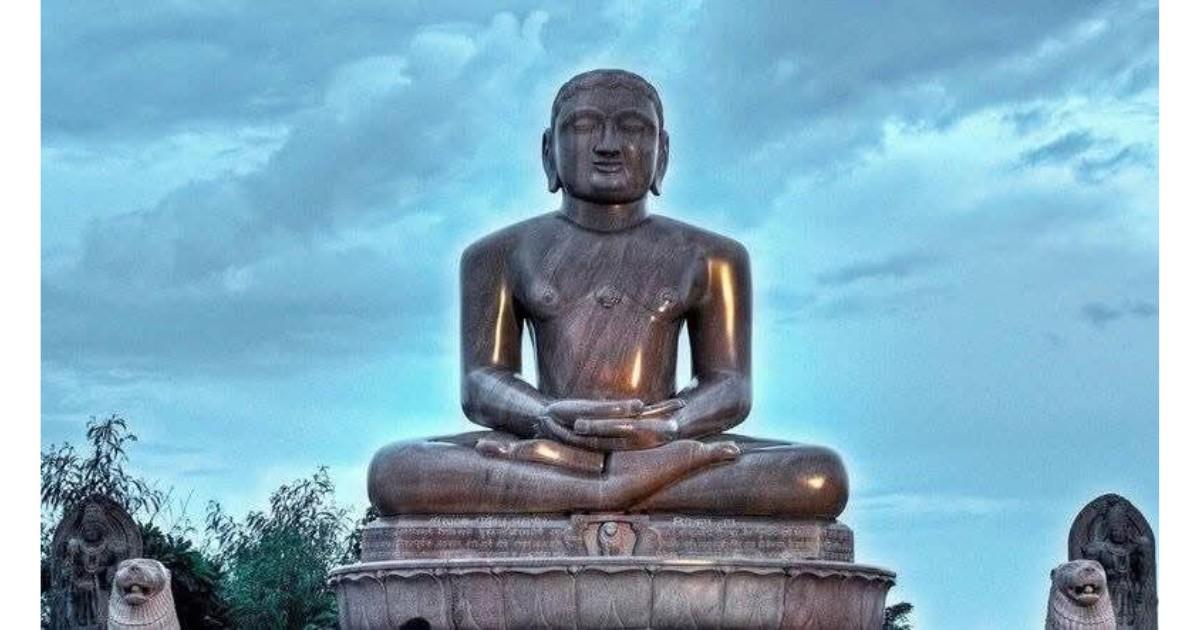
Guwahati, March 31 — Assam Chief Minister Himanta Biswa Sarma on Tuesday conveyed his greetings to citizens on the occasion of Mahavir Jayanti, paying tribute to Lord Mahavir and calling for a renewed commitment to values such as non-violence, truth, and compassion.
In a message shared via social media, the Chief Minister emphasized that the teachings of Lord Mahavir remain deeply relevant in today’s world, particularly at a time when societies are striving for peace, inclusivity, and ethical progress.
Key Highlights
- Chief Minister extended greetings to citizens across Assam and the country
- Emphasized importance of non-violence, truth, and discipline
- Highlighted five core principles of Lord Mahavir’s teachings
- Called for a humane and peaceful society guided by ethical values
- Stressed continued relevance of ancient spiritual ideals in modern governance and society
A Message Rooted in Values
In his official message, the Chief Minister expressed respect for Lord Mahavir, the 24th Tirthankara of Jainism, whose teachings continue to influence millions worldwide. Sarma noted that Mahavir Jayanti is not only a religious observance but also an opportunity for reflection on universal values that transcend faith and geography.
He urged people to follow the path shown by Lord Mahavir, which centers on compassion and moral discipline. According to the Chief Minister, adopting these values can contribute to building a society that is both progressive and harmonious.
The message focused on the idea that development is not solely economic but also ethical. He stressed that societal progress must be accompanied by a commitment to humanity, empathy, and mutual respect.
Understanding the Five Core Principles
A central part of the Chief Minister’s message was the emphasis on the five fundamental principles associated with Lord Mahavir’s teachings. These principles form the ethical foundation of Jain philosophy and are widely regarded as guiding ideals for personal and social conduct.
- Ahimsa (Non-violence): The principle of avoiding harm to all living beings is perhaps the most widely recognized teaching of Lord Mahavir. It extends beyond physical violence to include thoughts and words.
- Satya (Truth): Speaking the truth and maintaining honesty in all aspects of life is considered essential for building trust and integrity.
- Asteya (Non-stealing): This principle encourages individuals to respect others’ rights and refrain from taking anything that is not freely given.
- Brahmacharya (Celibacy or self-restraint): Often interpreted more broadly as self-discipline, it highlights the importance of controlling desires and impulses.
- Aparigraha (Non-possession): This teaching promotes detachment from material possessions and encourages a simple, content lifestyle.
Sarma pointed out that these values, though ancient, remain relevant in addressing contemporary challenges such as social conflict, environmental degradation, and ethical dilemmas in public life.
Official Statement Reframed
In his message, the Chief Minister conveyed that the ideals of sacrifice, restraint, and compassion are not merely spiritual concepts but practical tools for shaping a better society. He noted that these teachings continue to serve as a moral compass for humanity.
He also extended his best wishes to all citizens, particularly those observing the festival, and encouraged people to use the occasion to reflect on their responsibilities toward others and the environment.
Broader Context and Significance
Mahavir Jayanti is one of the most important festivals in Jainism, marking the birth of Lord Mahavir, who is believed to have lived in the 6th century BCE. His teachings laid the foundation for Jain philosophy, which emphasizes non-violence, ethical living, and spiritual liberation.
In India, the festival is observed with prayers, processions, charitable activities, and community gatherings. While it is primarily a religious occasion for Jains, its underlying message has universal appeal.
Public figures and leaders across the country often use such occasions to reinforce shared values and promote social harmony. Messages like the one issued by the Assam Chief Minister are part of a broader tradition of acknowledging India’s cultural and spiritual diversity while emphasizing unity.
In recent years, there has been a growing focus on integrating ethical principles into governance and public policy. Concepts such as sustainability, inclusivity, and social responsibility align closely with the teachings of Lord Mahavir, particularly the idea of minimizing harm and promoting well-being for all.
Why This Matters Today
The Chief Minister’s message comes at a time when societies worldwide are grappling with issues such as conflict, inequality, and environmental challenges. In this context, the emphasis on non-violence and restraint gains added significance.
- Social Harmony: Encouraging non-violence and truth can help reduce conflicts and build trust among communities.
- Ethical Governance: Leaders highlighting moral values can influence public discourse and policy priorities.
- Environmental Awareness: The principle of non-violence extends to nature, promoting sustainable living and conservation.
- Personal Well-being: Values like self-discipline and non-possession can contribute to mental and emotional balance in an increasingly materialistic world.
By invoking these principles, the message goes beyond ceremonial greetings and touches upon broader societal goals.
Public Impact and Relevance
For citizens, such messages serve as reminders of the role individuals play in shaping society. While policies and governance frameworks are important, collective behavior and personal choices also have a significant impact.
Religious and cultural observances like Mahavir Jayanti provide an opportunity for communities to come together and reaffirm shared values. They also highlight the importance of tolerance and mutual respect in a diverse country like India.
For the Jain community in Assam and across India, the Chief Minister’s message acknowledges their cultural heritage and contributions. It reinforces the idea that minority traditions are an integral part of the nation’s social fabric.
At the same time, the universal nature of Lord Mahavir’s teachings ensures that the message resonates beyond any single community.
Looking Ahead
As India continues to evolve socially and economically, the integration of ethical values into everyday life remains a key challenge. Messages from public leaders can play a role in shaping attitudes and encouraging positive change.
The emphasis on compassion, discipline, and non-violence aligns with broader national and global goals, including sustainable development and social cohesion. Observances like Mahavir Jayanti serve as reminders that progress must be balanced with responsibility and empathy.
By highlighting these ideals, the Assam Chief Minister’s message contributes to an ongoing conversation about the kind of society India aims to build—one that is not only prosperous but also just, humane, and inclusive.
Inputs and images : Hindusthan Samachar
Edited By E. Devanshi varma
Also Read: CM Himanta Biswa Sarma Remembers Keshab Mahanta with 5 Key Tributes on His Death Anniversary
Follow us on Google News: Click Here