

The opposition party paid tribute to the armed forces on the first anniversary of Operation Sindoor while urging the Centre to conduct a detailed review similar to the post-Kargil assessment carried out under the Vajpayee government.
New Delhi: On the first anniversary of Operation Sindoor, the Congress on Wednesday praised the Indian armed forces for their role in the military campaign launched after the Pahalgam terrorist attack, while simultaneously calling on the Union government to undertake a comprehensive review of the operation and its strategic outcomes.
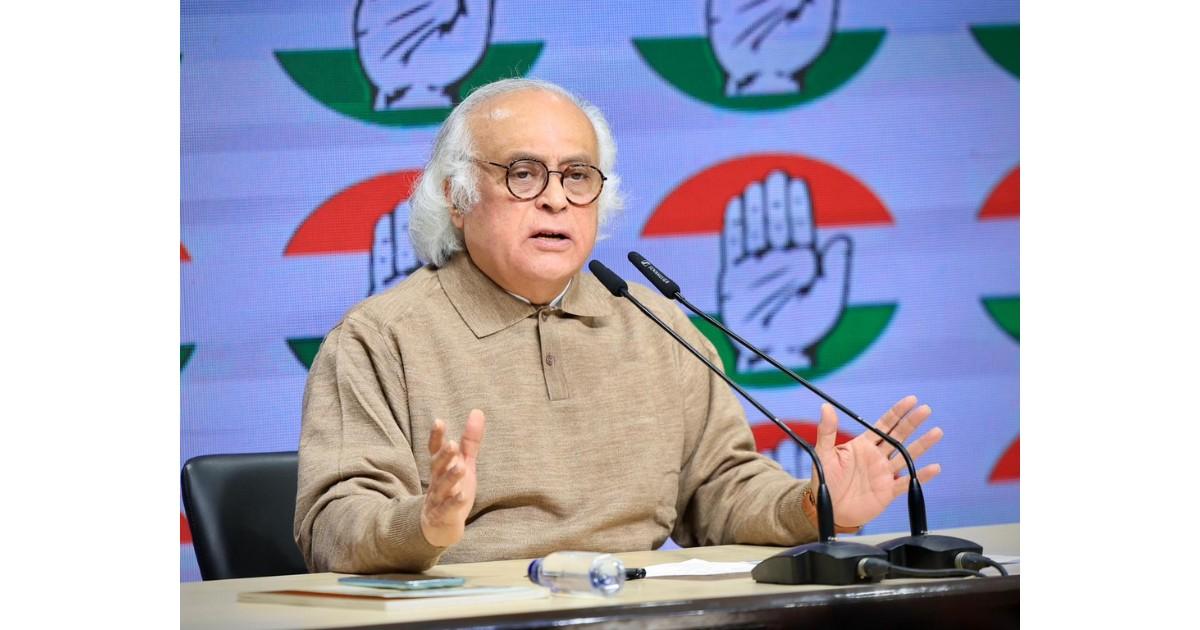
Congress General Secretary (Communications) Jairam Ramesh said the government should follow the example set after the Kargil War, when the Atal Bihari Vajpayee-led administration constituted the K. Subrahmanyam Review Committee to assess operational lessons and recommend future reforms.
The remarks came through a detailed post shared by Ramesh on X, where he reflected on the military campaign, the challenges acknowledged by senior defence officials, and the broader diplomatic consequences that followed the operation.
Congress Pays Tribute to Armed Forces
Marking the anniversary, the Congress leader saluted the armed forces for conducting Operation Sindoor under difficult circumstances following the Pahalgam terror attack, which had triggered strong security and political reactions across the country.
Ramesh said the anniversary should not only serve as a moment to recognise the efforts of soldiers and military commanders but also as an opportunity for institutional reflection.
According to him, major national security operations must be studied carefully to strengthen preparedness, improve coordination and avoid future tactical mistakes. He argued that transparent evaluation mechanisms are essential in democracies, especially after large-scale military actions with regional and diplomatic implications.
The Congress communication chief referred to the Kargil Review Committee constituted after the 1999 Kargil conflict, describing it as a precedent for independent examination of military preparedness and strategic decision-making.
Demand for a Comprehensive Review
The opposition leader said a similar review mechanism should now be considered for Operation Sindoor. He suggested that such an exercise could help evaluate operational planning, tactical execution, political decision-making and international diplomatic outcomes linked to the campaign.
Ramesh stated that reviewing military operations does not diminish the contribution of armed forces personnel. Instead, he argued, it strengthens institutions by identifying gaps and improving future responses.
The Congress leader maintained that a structured review could provide clarity on several developments that emerged in the months following the operation.
His statement reflects the party’s broader position that national security operations should be subject to parliamentary and institutional scrutiny while maintaining respect for the armed forces.
References to Statements by Defence Officials
In his social media post, Ramesh referred to comments made by senior defence representatives in 2025 regarding the conduct of the operation.
He cited remarks attributed to Chief of Defence Staff Anil Chauhan during an interaction in Singapore on May 30, 2025. According to Ramesh, General Chauhan acknowledged that initial tactical errors during the operation had led to losses before corrective measures enabled more precise strikes deeper inside Pakistani territory.
The Congress leader also mentioned comments reportedly made on June 10, 2025, by the Indian Embassy’s Defence Attaché in Jakarta. As referenced by Ramesh, the official had suggested that restrictions imposed by political leadership influenced operational decisions and contributed to aircraft losses during the campaign.
These references formed a major part of the Congress leader’s argument for an institutional review process. He said the statements raised important questions about operational planning, command structures and political oversight during military engagements.
However, the government has not officially announced any review panel or public assessment mechanism related to Operation Sindoor so far.
Diplomatic Concerns Raised by Congress
Apart from military aspects, the Congress also questioned the broader diplomatic outcomes that followed the operation.
Ramesh argued that India’s international efforts after Operation Sindoor did not result in the level of diplomatic isolation for Pakistan that New Delhi had achieved after the 2008 Mumbai terror attacks.
Following the Mumbai attacks, India had mounted an extensive global diplomatic campaign that placed Pakistan under intense international scrutiny over cross-border terrorism. According to the Congress leader, the geopolitical response after Operation Sindoor appeared comparatively less effective.
He further pointed to developments involving Pakistan’s military leadership in the months after the operation. Ramesh claimed that from June 2025 onwards, Pakistan Army Chief Asim Munir received a notably warm reception from then US President Donald Trump and sections of the American military establishment.
The Congress leader suggested that these developments should also be examined as part of any future strategic review, particularly in terms of India’s foreign policy positioning and international outreach after military operations.
Why Operation Sindoor Continues to Matter
Operation Sindoor remains politically and strategically significant because it was launched in response to the Pahalgam terror attack, which had intensified national debate around cross-border terrorism, intelligence coordination and military preparedness.
The operation was projected as a decisive response by Indian armed forces and became a major point of discussion in domestic politics, defence circles and diplomatic forums.
Security analysts have often noted that modern military operations are no longer judged only by battlefield outcomes. Their success is also measured through diplomatic influence, global perception management, intelligence coordination and long-term regional stability.
This is one reason why post-conflict reviews have become common in many democracies. Such assessments are usually intended to identify operational gaps, improve strategic planning and ensure accountability without undermining the morale of defence personnel.
The Kargil Review Committee, which Ramesh referenced in his statement, is frequently cited as an example of such institutional evaluation in India. Formed after the 1999 Kargil conflict, the committee examined intelligence failures, coordination gaps and defence preparedness. Its recommendations later influenced reforms in national security management and intelligence structures.
By invoking that precedent, Congress appears to be framing its demand as a call for institutional learning rather than a criticism of the armed forces themselves.
Political Reactions and National Security Debate
The anniversary of Operation Sindoor is also unfolding against a larger political backdrop where national security remains a central issue in Indian politics.
Over the past decade, military operations and counter-terror responses have frequently become subjects of political debate between the ruling government and opposition parties. While the government has often highlighted strong military responses as evidence of decisive leadership, opposition parties have periodically sought greater transparency regarding operational outcomes and strategic consequences.
Congress leaders have repeatedly stated that questioning policy decisions should not be equated with questioning the integrity or bravery of soldiers.
At the same time, the ruling establishment has generally maintained that sensitive military matters should not be politicised in ways that could affect national morale or strategic interests.
The latest remarks by Jairam Ramesh are likely to add to this ongoing debate around accountability, transparency and national security policymaking.
Calls for Institutional Reflection
Ramesh concluded his remarks by saying that remembering the events linked to Operation Sindoor was necessary to help the country learn from both achievements and setbacks.
He stressed that the government should provide “clear direction” to the nation through a detailed assessment process that examines military, political and diplomatic dimensions together.
While no official response had been issued immediately to the Congress leader’s demand, the discussion surrounding Operation Sindoor is expected to continue as political parties, defence observers and strategic experts assess its long-term implications.
The anniversary has once again brought focus not only to the military campaign itself but also to broader questions about operational preparedness, strategic communication and India’s diplomatic positioning after major security events.
Inputs and images : Hindusthan Samachar
Edited By E. Devanshi varma
Also Read: Assam Assembly Polls See 7 Major Highlights as Turnout Peaks, Counting Set for May 4
Follow us on Google News: Click Here