

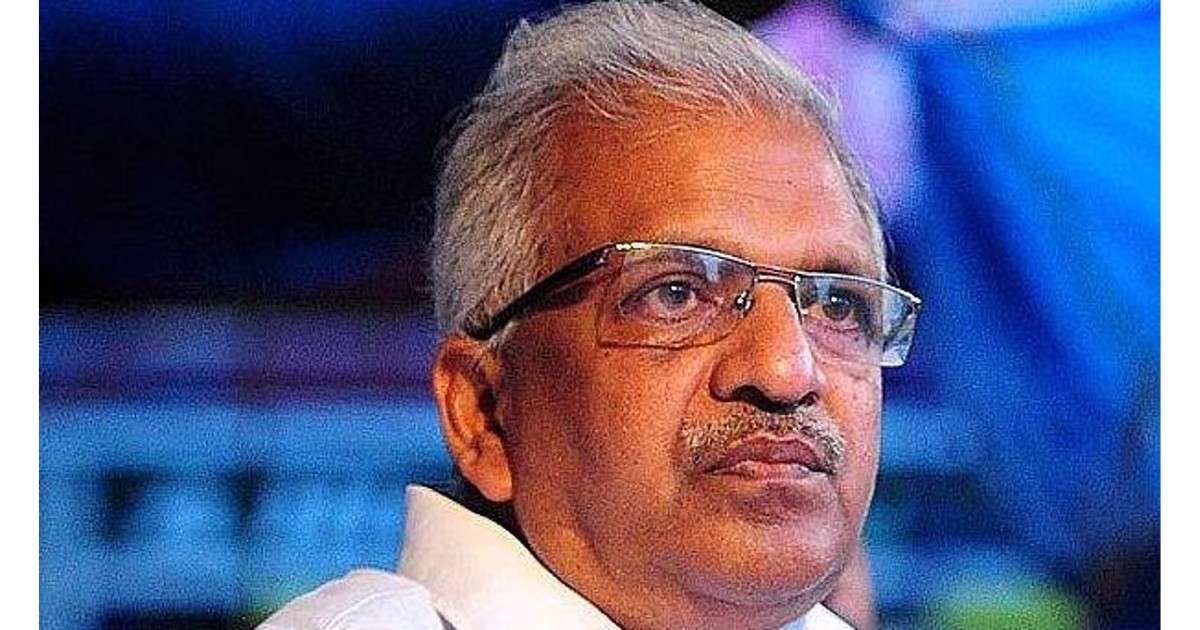
Senior CPM leader P. Jayarajan has called on party workers to stop public criticism on social media following the Left Democratic Front’s defeat in the Kerala Assembly elections, saying internal concerns must be discussed only through official party forums.
The appeal came amid growing discussions within the Communist Party of India (Marxist) after the election setback in Kerala. In a detailed Facebook post shared on Thursday, Jayarajan warned that emotional reactions and factional campaigns could weaken the party further and provide opportunities for political opponents to intensify attacks against the CPM.
The senior leader, who is also a member of the CPM State Committee, said the party had historically dealt with both victories and defeats through organisational review mechanisms rather than public disputes. He stressed that party discipline and collective functioning were central to the CPM’s political culture.
Jayarajan Calls for Internal Discussions Instead of Social Media Campaigns
Jayarajan’s statement comes at a sensitive time for the Left Democratic Front (LDF), which suffered a significant setback in the Kerala Assembly elections. The defeat triggered intense debate among party supporters and cadres, especially on social media platforms where criticism of senior leaders has become increasingly visible in recent days.
In his remarks, Jayarajan urged party members to avoid airing grievances publicly and instead raise concerns through party committees and internal discussions.
According to him, open criticism on social media damages the organisation and indirectly benefits rival political parties. He said emotional responses from disappointed supporters could deepen divisions within the party at a time when unity was necessary.
The CPM veteran pointed out that political setbacks are not new to communist parties in India. He said electoral defeats should be examined objectively and followed by corrective measures decided through collective discussions.
Jayarajan also noted that the party leadership had already announced a serious review of the election outcome and that further organisational steps would follow after internal consultations.
Flex Boards and Publicity Campaigns Draw Criticism
A major point raised in Jayarajan’s statement was the appearance of flex boards and banners carrying his photographs in some areas after the election results. He strongly objected to such campaigns and demanded that they be removed immediately.
Without directly naming any individual or group, Jayarajan criticised attempts to elevate leaders through personality-based publicity. He said such practices were inconsistent with communist ideology and organisational discipline.
According to him, the CPM has traditionally functioned as a collective political movement rather than a party centred around individuals. He argued that projecting leaders through banners, slogans and publicity campaigns reflected a political culture associated more with the Congress party than with communist organisations.
Jayarajan said the Communist movement was built on collective struggle and ideological commitment, not individual glorification. He added that turning political leaders into larger-than-life personalities could weaken the organisation’s internal democratic structure.
The criticism reflects the CPM leadership’s long-standing opposition to personality cult politics, which the party has historically tried to avoid despite the growing influence of social media-driven political branding in India.
Concern Over Growing Internal Frustration
The Kerala election defeat appears to have triggered frustration among sections of the party base, with supporters openly debating the reasons behind the poor performance. Political observers say social media has amplified these discussions, often leading to sharp criticism of senior leaders and organisational decisions.
Jayarajan acknowledged that many cadres were disappointed by the results but cautioned against emotional reactions that could further damage the party’s image. He said disagreements and criticism are part of democratic political functioning, but insisted they should remain within the party structure.
He also expressed concern that internal divisions were becoming more visible publicly, potentially weakening cadre morale and creating confusion among supporters.
The CPM leader warned that right-wing political forces were attempting to exploit the present dissatisfaction within the party. According to him, public campaigns targeting party leaders could help opponents intensify their criticism against the Left movement in Kerala.
He appealed to supporters not to glorify him or any other leader while simultaneously insulting other members of the party leadership. Such actions, he suggested, could deepen factional tensions and undermine organisational unity.
CPM’s Organisational Culture Under Focus
Jayarajan’s comments have once again highlighted the CPM’s emphasis on internal discipline and collective leadership. Unlike several other political parties in India, the CPM traditionally relies on structured organisational processes to discuss policy disagreements, electoral performance and leadership issues.
Party decisions are usually reviewed through committee meetings at different levels, including branch committees, district committees and state leadership forums. Public criticism of internal matters is generally discouraged within the party structure.
Political analysts say the rise of social media has created new challenges for traditional cadre-based parties like the CPM. Individual supporters and local leaders increasingly use digital platforms to express opinions publicly, sometimes bypassing formal party channels.
This has made it more difficult for parties to maintain message discipline, especially after major electoral defeats when dissatisfaction tends to rise among workers and supporters.
Jayarajan’s statement appears aimed at reinforcing the CPM’s organisational culture during a politically difficult period. His remarks also indicate concern within the party leadership over the growing visibility of internal disagreements online.
Kerala Election Defeat Raises Questions for the Left
The recent Kerala Assembly election results have triggered broader discussions about the future direction of the Left Democratic Front in the state. The LDF has been one of the most influential political coalitions in Kerala for decades, alternating in power with the Congress-led United Democratic Front (UDF).
However, the latest setback has raised questions about voter sentiment, campaign strategy, governance issues and organisational mobilisation.
Political observers note that Kerala remains one of the few states where the CPM continues to retain significant political relevance. This makes the election outcome particularly important for the party at the national level.
The defeat has also intensified debates about generational leadership changes, communication strategy and the party’s ability to connect with younger voters in an increasingly digital political environment.
While the CPM leadership has not yet publicly detailed the reasons behind the electoral setback, internal reviews are expected to assess multiple factors, including campaign messaging, alliance dynamics and local organisational performance.
Jayarajan’s intervention suggests the leadership is attempting to prevent these debates from turning into open factional disputes.
Comparison With Congress Political Culture
One of the strongest observations in Jayarajan’s statement was his comparison between CPM organisational practices and what he described as Congress-style political culture.
He argued that Congress leaders often rely on personality-driven campaigns during periods of political crisis, using banners and slogans to project individuals. According to him, such methods are fundamentally different from communist political traditions.
Jayarajan said the CPM operates as a revolutionary movement focused on broader social and political transformation rather than individual leadership promotion.
His remarks underline a key ideological distinction the CPM often draws between itself and other mainstream political parties. The party has historically emphasised collective responsibility, cadre discipline and ideological commitment over personality-centred politics.
However, changing political communication trends and the influence of digital media have increasingly blurred these distinctions across Indian politics.
Social Media’s Growing Role in Political Conflicts
The controversy surrounding public criticism within the CPM also reflects the larger role social media now plays in Indian political discourse.
Platforms like Facebook, X and WhatsApp have become major spaces for political mobilisation, debate and criticism. Supporters of political parties often use these platforms to express dissatisfaction, defend leaders or influence internal narratives.
For cadre-based parties such as the CPM, this shift presents organisational challenges because traditional structures were designed around controlled internal communication rather than instant public commentary.
Political analysts say social media has reduced the ability of party leaderships to manage internal disagreements privately. Even local-level disputes can quickly gain wider attention online, creating pressure on senior leaders to respond publicly.
Jayarajan’s Facebook post itself demonstrates how political communication has evolved. While urging cadres to avoid public criticism on social media, he used the same platform to directly address party workers and supporters across the state.
CPM Leadership Signals Course Correction
Despite the current tensions, Jayarajan expressed confidence that the CPM would recover politically in Kerala. He referred to the party’s revival efforts in West Bengal, where the CPM has been trying to rebuild its organisational base after years of political decline.
According to him, the Kerala unit would also overcome the present crisis through corrective measures and organisational strengthening.
His remarks indicate that the party leadership is preparing for a broader review process aimed at rebuilding cadre confidence and addressing concerns raised after the election defeat.
Political observers believe the coming months could be significant for the CPM in Kerala as the party attempts to balance internal criticism with organisational discipline. The leadership is likely to focus on maintaining unity while also identifying areas requiring political and structural reform.
For the CPM, the challenge ahead may not only involve recovering from an electoral setback but also adapting its traditional organisational culture to a rapidly changing political and digital landscape where internal debates increasingly unfold in public view.
Inputs and images : Hindusthan Samachar
Edited By E. Devanshi varma
Also Read: Assam Assembly Polls See 7 Major Highlights as Turnout Peaks, Counting Set for May 4
Follow us on Google News: Click Here