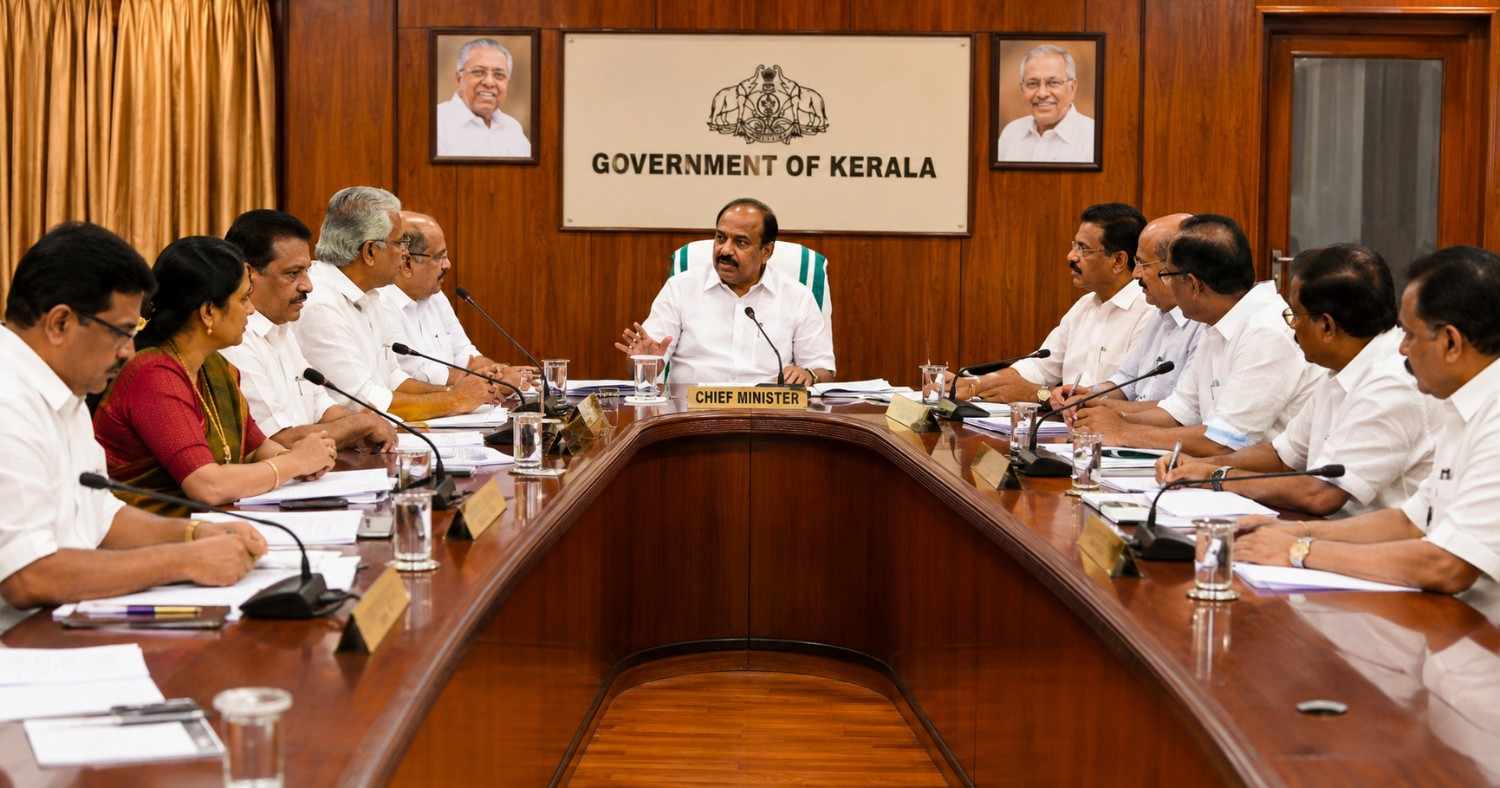


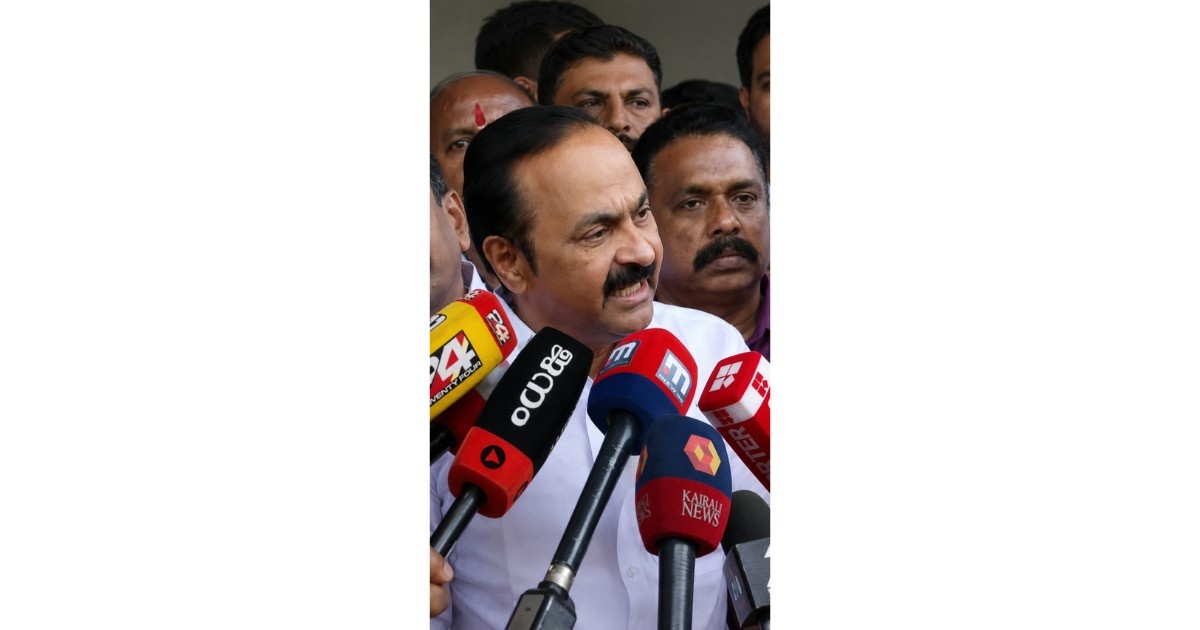
The Congress-led United Democratic Front (UDF) has entered a politically sensitive phase of government formation in Kerala after senior Congress leader V. D. Satheesan was formally selected to lead the next administration. While the announcement has brought temporary clarity to the leadership question, negotiations over cabinet representation and ministerial portfolios are now emerging as the alliance’s first major internal challenge.
Discussions among coalition partners are expected to gather pace in Thiruvananthapuram over the coming days, with the Congress, the Indian Union Muslim League (IUML), Kerala Congress factions, and smaller allies all seeking adequate representation in the new ministry. Political observers say the cabinet formation process will be crucial not only for ensuring stability within the UDF government but also for shaping the power balance inside the Congress in Kerala for the next several years.
The UDF’s victory in the Assembly election has revived the coalition after years in opposition, but the transition from electoral coordination to administrative power-sharing is proving delicate. Multiple factions within the Congress are attempting to secure influence in the government, while alliance partners are pressing their claims based on electoral performance and regional strength.
Congress Faces Internal Balancing Act
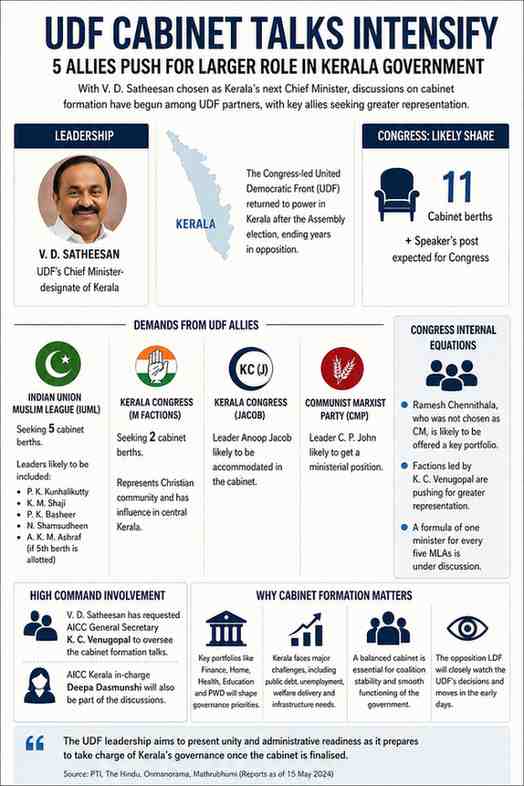
According to party sources, the Congress is expected to retain the largest share of ministerial positions in the new government. The party is likely to secure around 11 cabinet berths in addition to the Speaker’s post in the Assembly. However, the allocation of those portfolios is already becoming a matter of negotiation among senior leaders and internal groups.
The elevation of V. D. Satheesan has strengthened his position within the state unit, but it has also created dissatisfaction among leaders who were seen as contenders for the top office. The most significant concern within the Congress camp remains the reaction of veteran leader Ramesh Chennithala, who reportedly remains disappointed after missing out on the chief ministership.
Party leaders are understood to be engaged in efforts to persuade Chennithala to join the cabinet. Sources suggest that he may be offered one of the government’s most influential portfolios in an attempt to maintain unity within the party and prevent factional tensions from escalating during the early days of the administration.
The Congress leadership also faces pressure from the faction associated with K. C. Venugopal. Though Venugopal was not ultimately chosen for the top post, his supporters are now pushing for stronger representation in the ministry. The demand reflects the continuing factional structure within the Kerala Congress, where internal alliances often play a decisive role in government formation and organizational control.
Political insiders indicate that a formula based on MLA strength is being informally discussed within the party. One proposal reportedly suggests allocating one ministerial berth for every five MLAs belonging to a faction or bloc. While no final agreement has emerged, such formulas are commonly used in coalition politics to manage competing ambitions and reduce friction among senior leaders.
IUML Seeks Expanded Representation
The Indian Union Muslim League, one of the UDF’s most influential allies, has emerged from the election with renewed bargaining strength. The party is reportedly seeking five cabinet berths in the new government, a demand that reflects both its electoral performance and its long-standing role within the alliance.
Senior IUML leader P. K. Kunhalikutty is widely expected to return to the cabinet, marking a significant comeback to frontline governance. Kunhalikutty remains one of the most experienced political figures in Kerala and is regarded as a central strategist within the Muslim League.
Several other IUML leaders are also being considered for ministerial roles. Among the names under discussion are K. M. Shaji, P. K. Basheer, and N. Shamsudheen. If the party succeeds in securing a fifth cabinet position, leaders from northern Kerala, including A. K. M. Ashraf, could also find representation in the ministry.
The Muslim League’s demands are politically significant because the party represents a major support base for the UDF in the Malabar region. Analysts note that accommodating the IUML adequately will be important for maintaining coalition cohesion and ensuring smooth coordination in the Assembly.
At the same time, the Congress leadership is expected to balance the IUML’s aspirations carefully to avoid resentment among its own senior leaders. Excessive concessions to allies could create internal dissatisfaction within the Congress, particularly among leaders who believe the party should dominate the government after leading the coalition to victory.
Smaller Allies Push for Space in the Government
Beyond the Congress and the IUML, other coalition partners are also negotiating for representation in the cabinet. The Kerala Congress factions, which continue to hold influence in central Kerala’s Christian-majority regions, are reportedly seeking two ministerial positions.
Leaders from smaller UDF constituents are also likely to be accommodated to preserve the alliance’s broader social and regional balance. Among those being considered are Anoop Jacob and C. P. John.
Such inclusions often carry symbolic significance beyond numerical strength. In Kerala’s coalition politics, cabinet formation is not solely based on legislative numbers but also on caste equations, regional representation, community outreach, and factional accommodation. Successive governments in the state have relied heavily on maintaining these balances to ensure long-term political stability.
Political analysts point out that smaller allies often use the cabinet formation period to maximize their visibility and bargaining power. Even a single cabinet berth can provide substantial administrative influence and strengthen a party’s standing before local body and parliamentary elections.
High Command Steps Into Negotiations
The Congress central leadership is expected to play a direct role in resolving disputes during the cabinet formation process. Sources indicate that V. D. Satheesan has requested K. C. Venugopal to personally oversee discussions in Kerala in order to avoid prolonged factional disagreements.
Deepa Dasmunshi is also expected to participate in the talks. The involvement of senior All India Congress Committee leadership signals that the party views the cabinet formation exercise as politically sensitive and strategically important.
Congress high command interventions are not unusual in Kerala politics. The state unit has historically witnessed factional rivalries that often required mediation from the national leadership. Ensuring a balanced ministry is considered essential to preventing early instability or public disagreements within the ruling coalition.
The leadership’s approach during this phase may also influence the Congress party’s long-term positioning in Kerala. With the Left Democratic Front (LDF) expected to function as a strong opposition bloc, the UDF leadership will likely attempt to project unity and administrative readiness from the beginning of its tenure.
Why the Cabinet Formation Matters
The cabinet composition will provide early indications of how the incoming government intends to function politically and administratively. The choice of ministers and portfolios will influence governance priorities, inter-party coordination, and the public perception of the new administration.
In Kerala, cabinet portfolios such as Finance, Home, Public Works, Education, Health, and Local Self-Government are particularly significant because of their direct impact on welfare delivery and infrastructure development. Negotiations over these departments are often more intense than discussions over the number of ministerial berths themselves.
The cabinet formation process also comes at a time when Kerala faces major fiscal and developmental challenges. The state government will have to address concerns related to public debt, unemployment, welfare expenditure, infrastructure expansion, and climate resilience. Political stability within the ruling alliance will therefore be essential for administrative continuity.
Observers say the UDF leadership is aware that the public will closely watch its initial decisions after assuming office. Any visible factional conflict or prolonged disagreement over cabinet positions could affect the government’s early credibility.
For now, the alliance appears focused on presenting a united front as negotiations continue behind closed doors. Whether the Congress leadership can successfully accommodate competing ambitions without triggering internal dissatisfaction may determine the political tone of the new government’s opening months.
Key Insights
- The cabinet formation process is emerging as an early test of V. D. Satheesan’s ability to manage coalition dynamics and internal Congress factionalism simultaneously. Political stability during the government’s opening months could depend heavily on how effectively competing power centres are accommodated.
- The strong bargaining position of the Indian Union Muslim League reflects the continuing importance of regional and community-based political alliances in Kerala’s electoral landscape. The party’s demand for greater cabinet representation also highlights its growing influence within the UDF structure after the election outcome.
- The involvement of senior Congress leadership, including K. C. Venugopal and Deepa Dasmunshi, indicates that the Kerala government formation is being viewed as strategically significant at the national level. The Congress leadership is likely aiming to project unity and administrative discipline in a politically important southern state.
- Portfolio allocation in departments such as Finance, Home, Health, and Public Works may shape the government’s policy direction on fiscal management, welfare delivery, infrastructure expansion, and public administration. Kerala continues to face challenges related to debt management, unemployment, and climate-linked infrastructure pressures, making governance decisions particularly consequential.
- The negotiations also underline how coalition governments in Kerala traditionally rely on balancing regional representation, caste equations, minority outreach, and factional interests rather than purely legislative strength. Such political balancing has historically played a major role in maintaining stable administrations in the state.
- The cabinet composition may influence the Congress party’s long-term organizational structure in Kerala ahead of future Lok Sabha and local body elections. Leaders who secure influential portfolios are likely to strengthen their political standing within both the state unit and the broader UDF alliance.
- The opposition Left Democratic Front is expected to closely monitor the government’s initial decisions. Any visible internal conflict or prolonged dispute over ministerial appointments could provide the opposition with an opportunity to challenge the UDF’s claims of administrative preparedness and coalition unity.
Inputs and images : Hindusthan Samachar
Edited By E. Devanshi varma
Also Read: Assam Assembly Polls See 7 Major Highlights as Turnout Peaks, Counting Set for May 4
Follow us on Google News: Click Here