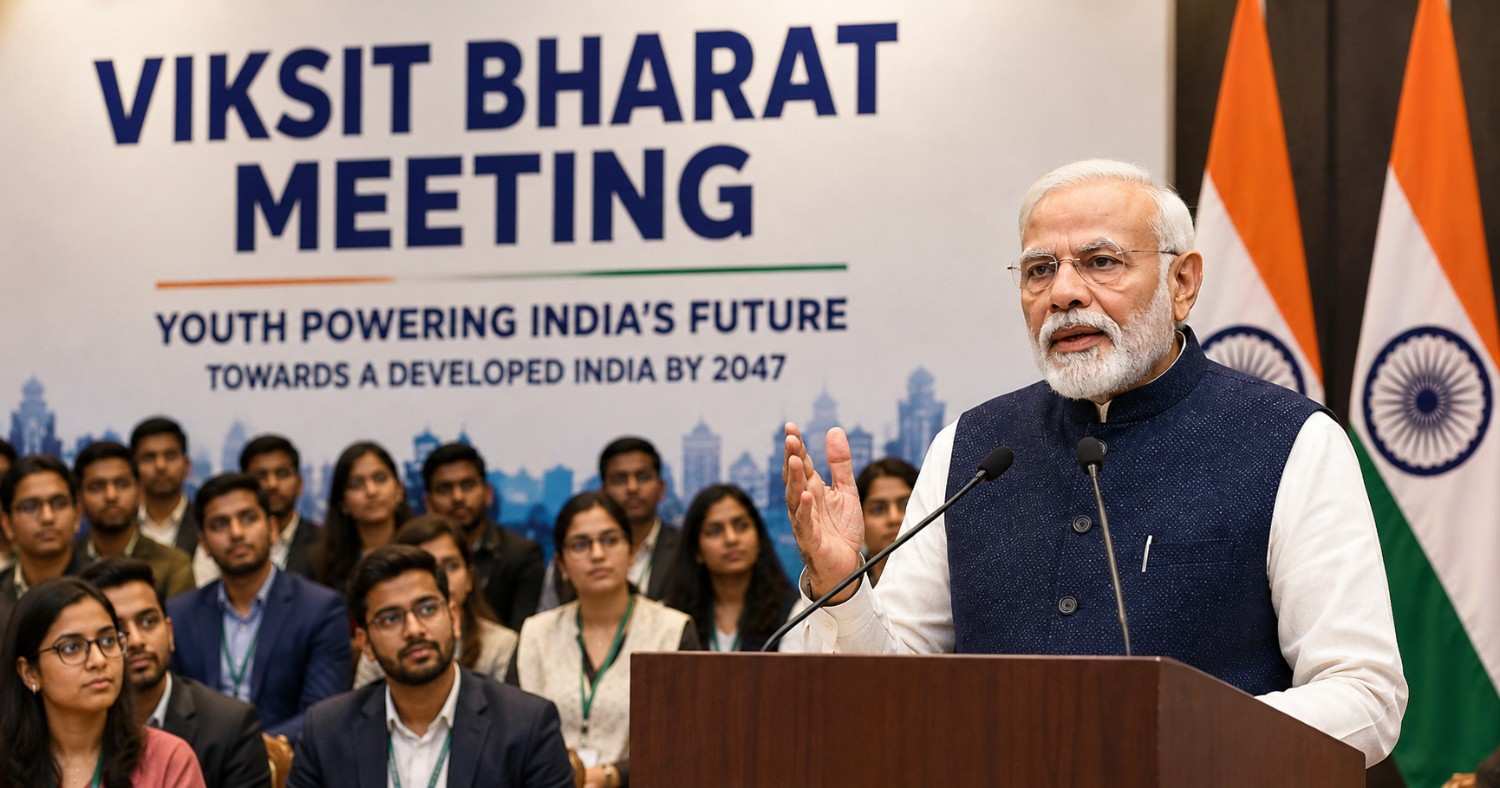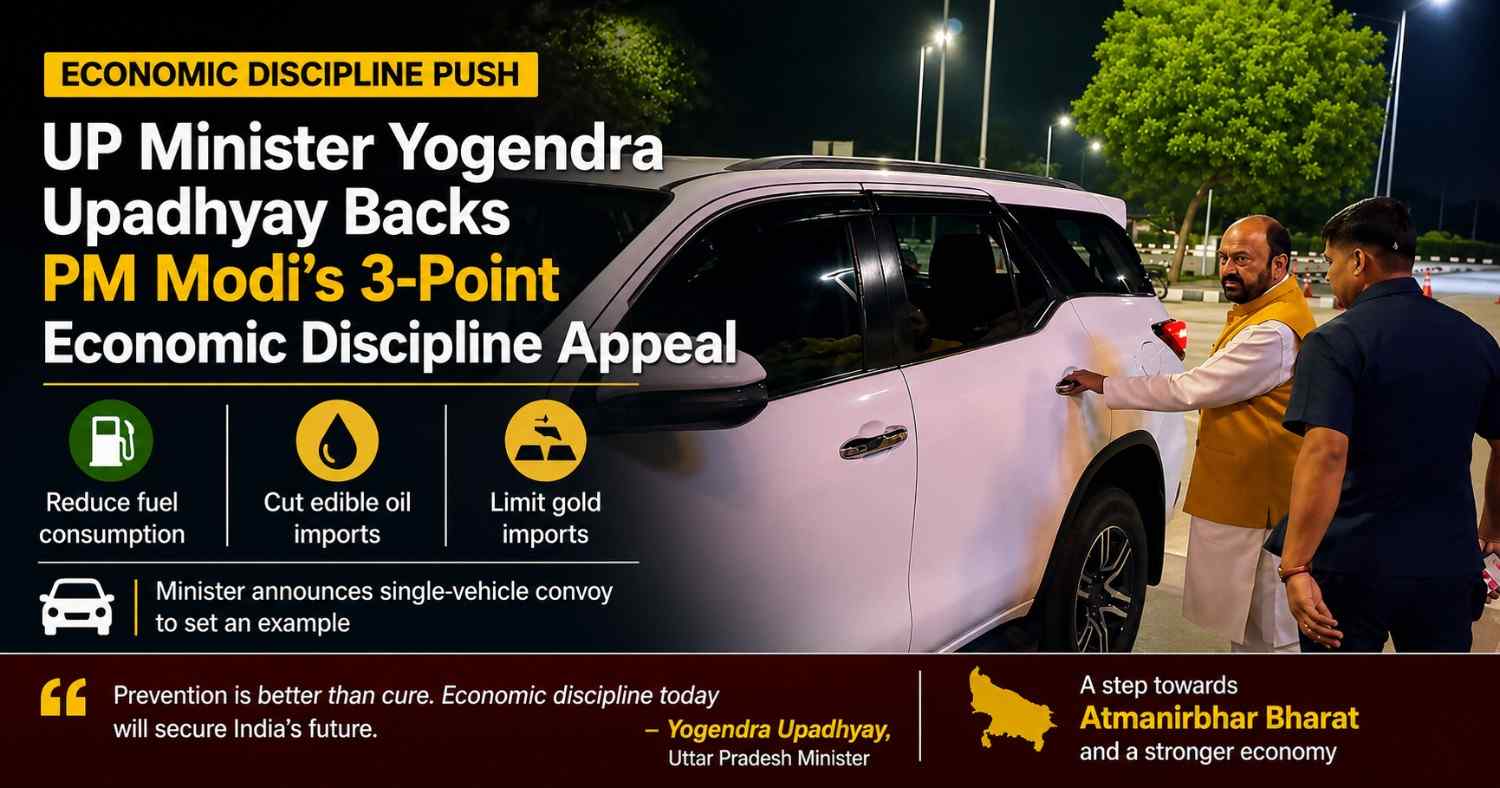


The Uttar Pradesh government has intensified its administrative push toward fuel conservation and environmental sustainability, with the state’s Higher Education Department becoming one of the latest departments to operationalize the broader energy-saving appeal made by Prime Minister Narendra Modi and reinforced by Uttar Pradesh Chief Minister Yogi Adityanath.
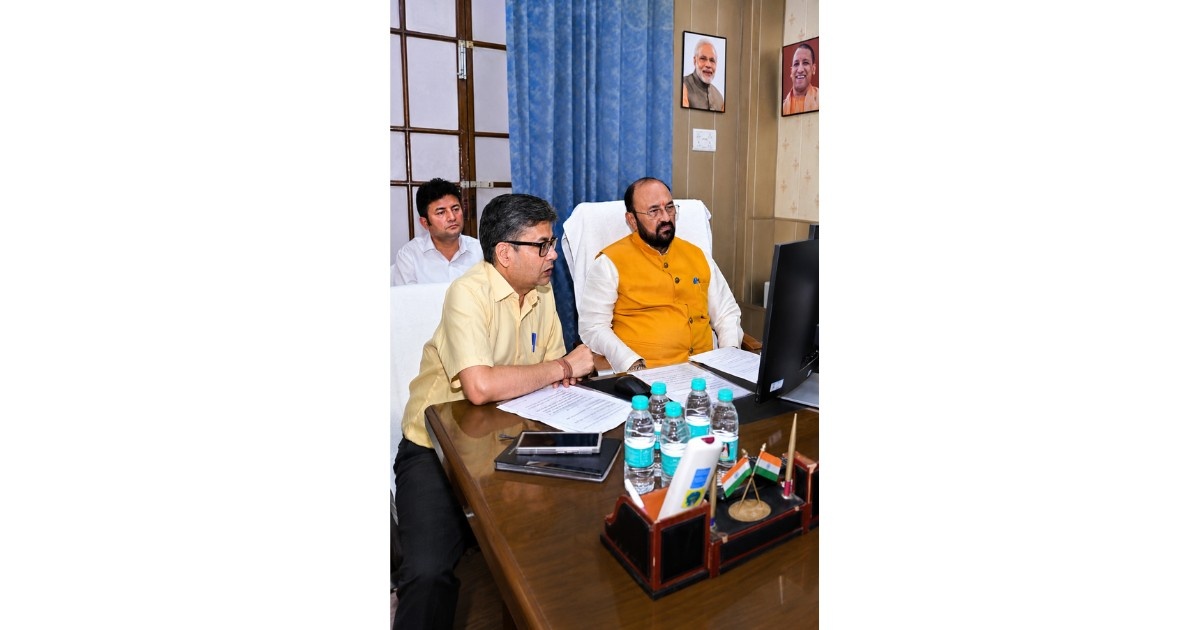
At a high-level review meeting held through video conferencing in Lucknow on Thursday, Higher Education Minister Yogendra Upadhyay directed officials, universities, and educational institutions to adopt practical fuel-saving measures, including the use of public transport at least once a week and reducing unnecessary official travel through digital communication systems.
The meeting, attended virtually by more than 100 officials from state and private universities along with senior departmental officers, reflected the state government’s growing focus on linking governance practices with sustainability goals amid rising global uncertainty over energy supplies and fuel costs.
Government Links Administrative Reform With Environmental Responsibility
Officials familiar with the discussions said the initiative is not merely being treated as an internal departmental advisory but as part of a larger behavioral and administrative shift. The Higher Education Department has been instructed to align day-to-day functioning with broader national priorities such as fuel conservation, efficient governance, and environmental responsibility.
During the review, Minister Yogendra Upadhyay stressed that departments should reduce avoidable movement wherever possible and prioritize virtual meetings over physical gatherings. According to officials, the idea is aimed at saving fuel, cutting travel-related expenditure, improving time management, and lowering environmental impact generated through routine transportation.
The minister also urged officers and staff members to voluntarily adopt public transport for commuting at least one day every week. Though seemingly symbolic, the proposal reflects an attempt to institutionalize small-scale sustainable practices across government offices and educational institutions.
Government insiders say the initiative could later expand into formal departmental advisories or awareness campaigns involving universities, colleges, and students if the response remains positive.
Universities Asked to Turn Initiative Into Wider Awareness Campaign
A notable aspect of the meeting was the emphasis on involving universities and higher educational institutions beyond administrative compliance. Officials were instructed to ensure that Vice Chancellors, faculty members, and institutional administrators encourage wider participation among students and staff.
The Higher Education Department appears to be positioning educational institutions as social awareness platforms capable of influencing broader public behavior. By encouraging students to think about fuel usage, public transport, and environmental sustainability, the government hopes the campaign will extend beyond offices and become more socially visible.
Senior officials participating in the review included Principal Secretary M.P. Agarwal and Secretary Amrit Tripathi, alongside representatives from government and private universities across the state.
Education policy observers note that universities have increasingly become venues for state-led awareness campaigns on issues ranging from digital literacy and voter participation to climate awareness and public health. The latest fuel conservation push appears to follow the same governance pattern.
Fuel Conservation Becomes Governance Priority Amid Global Instability
The renewed focus on fuel-saving measures comes at a time when governments across the world remain cautious about energy security and price volatility linked to ongoing geopolitical conflicts and supply-chain disruptions.
India, which imports a major portion of its crude oil requirements, remains vulnerable to fluctuations in global energy markets. International conflicts over the past few years have repeatedly triggered spikes in crude oil prices, impacting transportation costs, inflation, logistics, and public expenditure.
Against this backdrop, both the Union and state governments have increasingly promoted fuel conservation campaigns, efficient transportation systems, and reduced dependency on imported resources.
Prime Minister Narendra Modi has on several occasions appealed to citizens to reduce fuel wastage, adopt indigenous products, and contribute toward building an “Atmanirbhar Bharat” or self-reliant India. State governments, including Uttar Pradesh, are now translating some of those broader national appeals into administrative practices at the departmental level.
Policy analysts say such measures, while modest individually, can contribute to long-term awareness regarding sustainable resource consumption if implemented consistently across large administrative systems.
Video Conferencing Continues to Reshape Government Functioning
One of the most immediate operational outcomes of the meeting is likely to be the increased use of video conferencing for departmental coordination. Since the COVID-19 pandemic accelerated digital governance practices, many state departments have continued using virtual meetings to cut travel time and administrative delays.
Officials in Uttar Pradesh indicated that the Higher Education Department intends to institutionalize virtual coordination wherever physical presence is not essential. This is expected to reduce inter-city travel by officials and university representatives, particularly in a geographically large state like Uttar Pradesh.
Administrative experts point out that video conferencing not only reduces fuel consumption but also improves scheduling efficiency and decision-making speed. For departments overseeing large educational networks spread across districts, virtual coordination has increasingly become a cost-effective governance tool.
However, some governance specialists caution that digital meetings cannot completely replace physical inspections, campus visits, or ground-level institutional reviews. They argue that a hybrid model balancing efficiency with on-ground engagement may ultimately prove more sustainable.
Public Transport Adoption Faces Practical Challenges
While the government’s appeal has been welcomed in principle, experts note that implementation could vary depending on local infrastructure and commuting conditions.
Public transportation access differs widely across Uttar Pradesh, especially between major urban centers and smaller districts. In several regions, overcrowding, limited connectivity, and inconsistent last-mile transport continue to remain challenges for daily commuters.
Some employees may also find it difficult to shift from private vehicles due to time constraints or commuting distances. Yet environmental planners argue that even partial participation can have measurable impact when adopted collectively across large departments.
Urban policy researchers say government-led behavioral campaigns often work best when accompanied by visible institutional participation. If senior officials and administrators visibly adopt public transport practices, it could improve public acceptance and encourage wider participation.
Environmental advocates also believe such initiatives can create indirect pressure for improving public transport systems themselves, especially when government employees begin relying on them more regularly.
Sustainability Messaging Gains Ground in State Administration
The latest directive reflects a broader trend in which environmental considerations are gradually being integrated into everyday governance rather than treated as isolated policy subjects.
Over the past few years, several Indian states have begun encouraging paperless offices, digital file systems, electric mobility adoption, solar energy usage, and resource-efficient administrative practices. Uttar Pradesh has also launched multiple campaigns linked to plantation drives, clean energy awareness, and urban environmental management.
The Higher Education Department’s initiative signals an attempt to combine environmental responsibility with administrative discipline. Officials believe universities can become influential partners in spreading sustainability-oriented messaging among younger populations.
Education experts say involving students in such campaigns could help create stronger long-term awareness about resource conservation. Many universities already conduct seminars and awareness drives around climate change, waste management, and sustainable development goals. Adding fuel conservation campaigns to academic ecosystems could further broaden that engagement.
Political Messaging and Administrative Symbolism
The timing and framing of the initiative also carry political significance. The government has repeatedly emphasized themes such as self-reliance, indigenous production, efficient governance, and disciplined public administration.
By linking fuel conservation with national responsibility and environmental protection, the campaign attempts to position small daily actions as contributions to larger national goals. Such messaging has increasingly become part of governance communication strategies across departments.
Political analysts say initiatives involving government employees often serve dual purposes — administrative reform and public signaling. Even if the direct fuel savings remain modest initially, the campaign helps project a governance model focused on efficiency, sustainability, and responsiveness to global economic pressures.
At the same time, the success of such efforts will likely depend on continuity and institutional follow-through rather than one-time announcements. Departments may eventually need measurable benchmarks, periodic reviews, or awareness campaigns to maintain participation levels.
For now, the Higher Education Department’s latest move reflects how environmental concerns and fuel conservation are becoming part of mainstream administrative policy discussions in India’s largest state, with universities expected to play a larger role in carrying those messages into public life.
Key Insights
- The Uttar Pradesh government’s move reflects a broader administrative trend in India where sustainability goals are increasingly being integrated into routine governance practices rather than handled solely through standalone environmental policies.
- By encouraging public transport usage and virtual meetings, the Higher Education Department is attempting to reduce operational fuel consumption while also promoting cost-efficient governance models within large state-run institutions.
- The involvement of universities suggests that the campaign is designed not only as an administrative measure but also as a behavioural awareness initiative targeting younger populations who could influence long-term public attitudes toward energy conservation and environmental responsibility.
- The initiative comes at a time when India continues to remain heavily dependent on crude oil imports, making fuel-saving measures strategically important amid geopolitical tensions, global supply-chain disruptions, and fluctuating energy prices.
- Increased reliance on video conferencing indicates how digital governance practices adopted during the COVID-19 pandemic are continuing to reshape government functioning, especially in large states where inter-district travel can significantly increase administrative expenditure.
- Experts note that the effectiveness of such campaigns will largely depend on implementation consistency, infrastructure support, and measurable participation rather than symbolic announcements alone. Public transport accessibility remains uneven across several districts in Uttar Pradesh.
- The campaign also highlights how state governments are increasingly using educational institutions as platforms for public-policy messaging, similar to earlier initiatives related to health awareness, digital literacy, climate action, and civic participation.
- If expanded further, the initiative could indirectly support broader policy objectives linked to urban mobility, emission reduction, paperless administration, and resource-efficient governance models that are gradually becoming part of India’s sustainability agenda.
Inputs and images : Hindusthan Samachar
Edited By E. Devanshi varma
Also Read: Assam Assembly Polls See 7 Major Highlights as Turnout Peaks, Counting Set for May 4
Follow us on Google News: Click Here