

Nagaon, Assam, April 9: A clash between supporters of two political parties disrupted voting at a polling station in Assam’s Nagaon district on Thursday, highlighting concerns around security and crowd management during elections. The incident occurred at polling station number 166 in Barbheti Panchayat under the Dhing Assembly constituency.
According to local reports and officials present at the site, the confrontation involved supporters of the Raijor Dal and the All India United Democratic Front (AIUDF). What began as a disagreement over queue positioning escalated into a physical altercation, briefly affecting the polling process before authorities intervened.
Incident Disrupts Voting Process
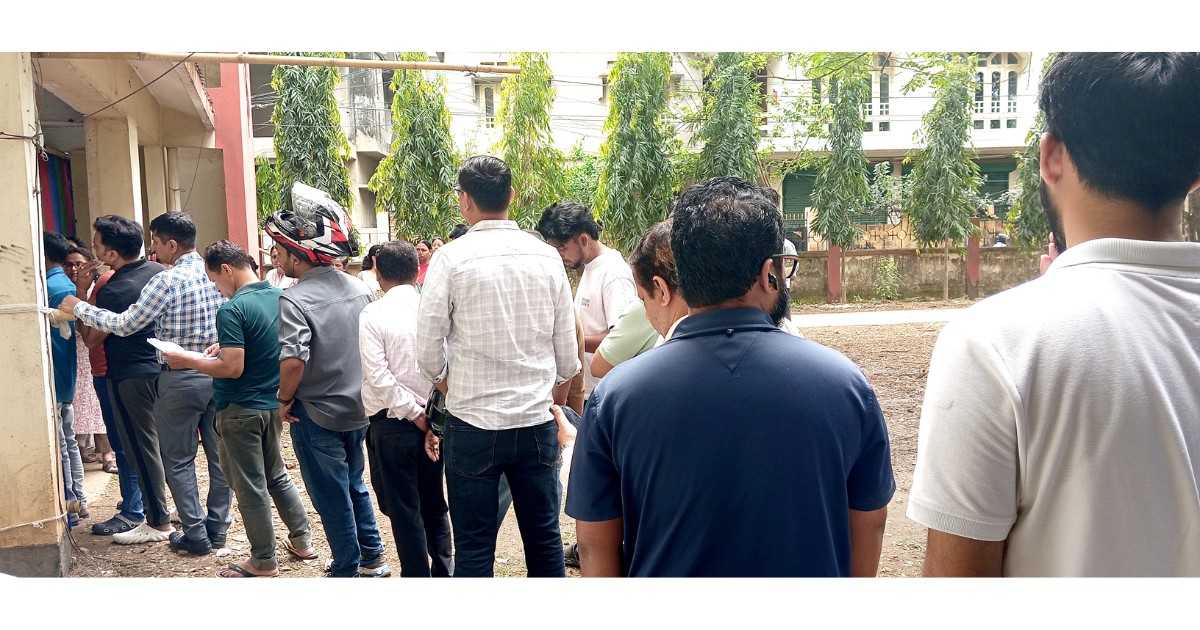
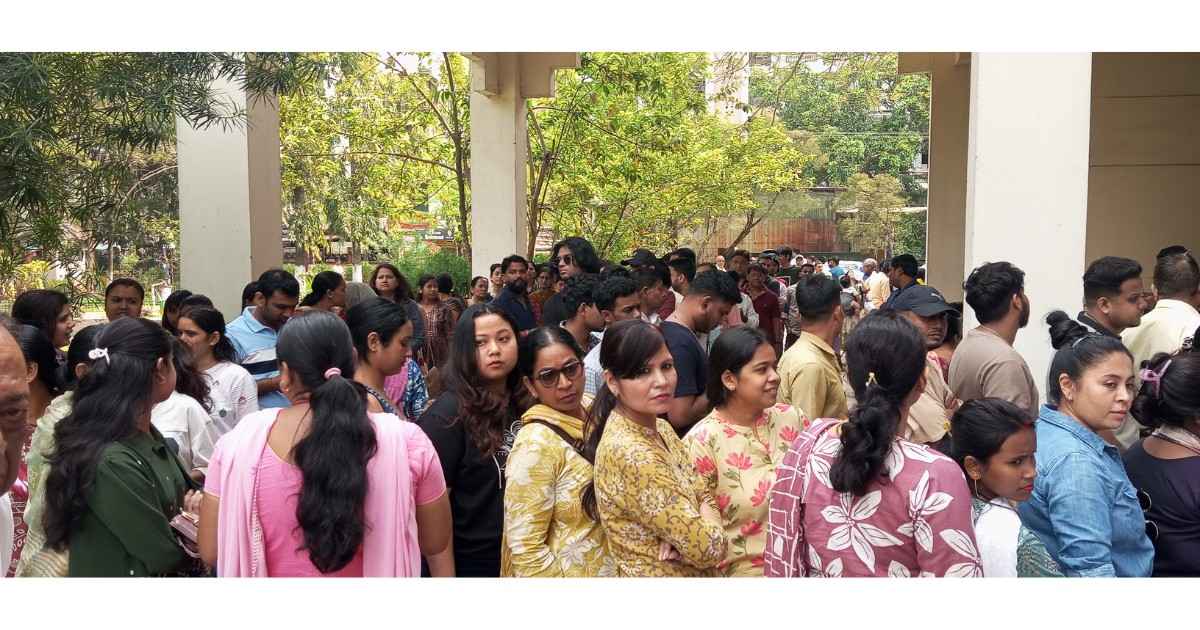
Eyewitnesses reported that tensions began building early in the day as voters gathered in large numbers at the polling station. The disagreement reportedly started when individuals associated with rival political groups argued over their position in the voting queue.
Such disputes are not uncommon during high-turnout elections, particularly in closely contested constituencies. However, in this case, the situation quickly spiraled beyond a verbal disagreement. Within minutes, the argument intensified into a physical scuffle between the two groups.
The clash created panic among voters present at the polling station, forcing many to step away from the queue temporarily. Polling officials were compelled to pause voting briefly as the situation became increasingly volatile.
Security Forces Step In
Security personnel deployed at the polling station responded swiftly to the disturbance. Officials separated the groups involved and worked to de-escalate tensions. Additional personnel were reportedly called in to ensure that the situation did not worsen.
After intervention by security forces, calm was gradually restored at the polling centre. Authorities confirmed that no major injuries were reported, although the confrontation caused significant disruption and anxiety among voters.
Polling resumed shortly after normalcy was re-established, and voters were encouraged to return and cast their ballots. Election officials emphasized that the incident was contained quickly and did not lead to prolonged suspension of voting.
Key Highlights of the Incident
- Clash occurred at polling station number 166 in Barbheti Panchayat
- Involved supporters of Raijor Dal and AIUDF
- Triggered by a dispute over queue positioning during voting
- Escalated from verbal argument to physical altercation
- Security forces intervened promptly to restore order
- Voting resumed after a brief disruption
Official Response
While no detailed official statement was immediately released at the time of reporting, election authorities on the ground indicated that the situation was brought under control without major escalation.
Officials reiterated the importance of maintaining discipline at polling stations and urged voters and party workers to cooperate with authorities to ensure peaceful elections.
Security personnel were also instructed to remain vigilant and prevent similar incidents in other polling locations across the constituency.
Context: Why Such Incidents Occur
Clashes at polling stations, though not widespread, are a recurring concern in Indian elections, particularly in regions where political competition is intense. Constituencies like Dhing often witness closely fought contests, leading to heightened emotions among party workers and supporters.
Queue-related disputes are among the most common triggers for such incidents. During peak voting hours, long lines and confusion over voter order can lead to disagreements. When political affiliations come into play, these disagreements can escalate quickly.
Additionally, the presence of party supporters near polling booths, despite regulations limiting such activities, sometimes contributes to tensions. Election Commission guidelines clearly prohibit campaigning within a specified radius of polling stations, but enforcement challenges remain in certain areas.
Importance of Polling Station Management
The incident underscores the critical role of effective crowd management and security deployment during elections. Polling stations, especially in rural and semi-urban areas, often experience sudden surges in voter turnout, making it essential for authorities to anticipate and manage such situations.
Election officials typically implement measures such as:
- Separate queues for different voter categories
- Clear signage and instructions
- Deployment of police and paramilitary forces
- Monitoring by sector officers and observers
Despite these measures, isolated incidents can still occur, particularly when local political rivalries are intense.
Public Impact and Voter Experience
For voters, such incidents can be unsettling and may discourage participation, even if temporarily. The brief disruption at the Dhing polling station caused anxiety among those present, with some voters reportedly hesitant to rejoin the queue immediately after the clash.
However, the quick restoration of order helped minimize the long-term impact on voter turnout. Authorities encouraged citizens not to be deterred and reassured them of adequate security arrangements.
Ensuring a safe and peaceful voting environment is crucial for maintaining public confidence in the electoral process. Even minor disruptions can affect perceptions of fairness and transparency, making swift response and communication by authorities essential.
Broader Electoral Significance
The clash at the Dhing polling booth comes amid ongoing elections where voter participation and peaceful conduct are closely monitored. Incidents like these, though localized, draw attention to the challenges of conducting large-scale democratic exercises in diverse and densely populated regions.
Assam has a history of largely peaceful elections, but sporadic incidents of tension highlight the need for continued vigilance. Political parties are expected to play a responsible role by instructing their supporters to avoid confrontation and adhere to electoral norms.
The Election Commission of India has consistently emphasized zero tolerance for violence during polling. Strict action, including legal proceedings, can be initiated against individuals involved in disrupting the electoral process.
What Happens Next
Following the incident, local authorities are likely to review security arrangements at polling stations in the Dhing constituency and surrounding areas. Additional personnel may be deployed in sensitive locations to prevent recurrence.
Officials may also examine whether any violations of election rules occurred and take appropriate action if necessary. This could include identifying individuals involved in the clash and initiating legal proceedings.
For voters, the focus remains on completing the polling process peacefully and ensuring that every eligible citizen has the opportunity to cast their vote without fear or disruption.
Inputs and images : Hindusthan Samachar
Edited By E. Devanshi varma
Also Read: Crude Oil Drops 17% After US-Iran Ceasefire Eases Supply Fears
Follow us on Google News: Click Here