

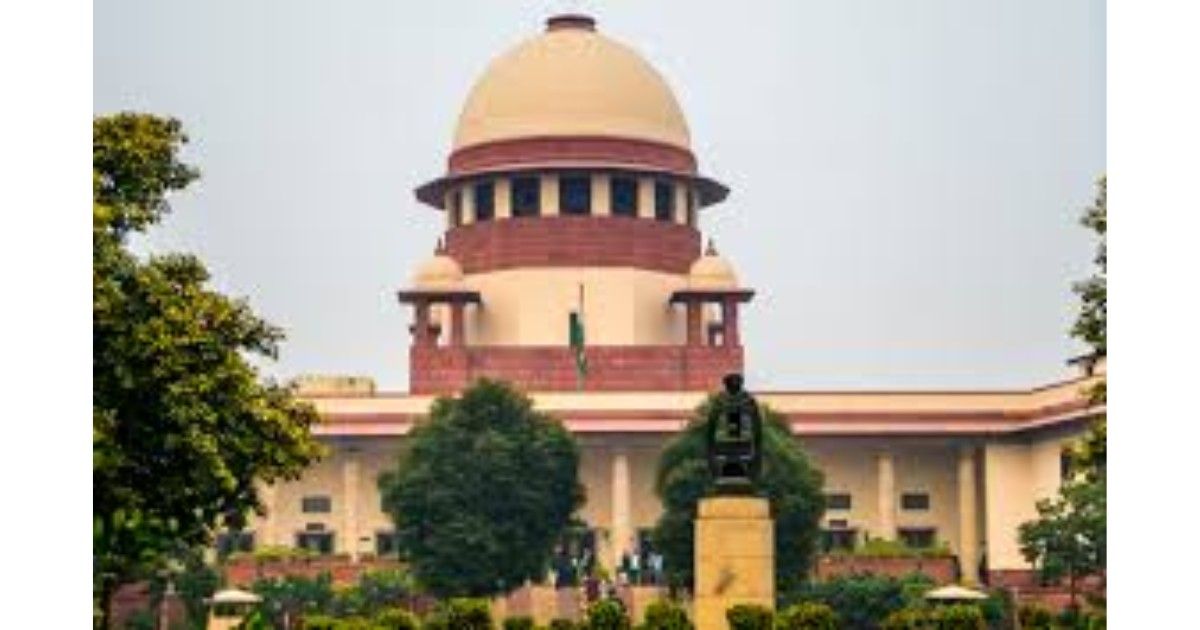
In a recent hearing, the Supreme Court of India declined to entertain a petition seeking standardized guidelines for the display of the Ashoka Chakra on the national flag. The matter was heard on April 16 in New Delhi by a bench led by Chief Justice Justice Surya Kant.
The petitioner had raised concerns over what he described as improper or inconsistent depictions of the Ashoka Chakra in public spaces, citing a specific example from Varanasi. However, the court dismissed the plea, emphasizing that such matters fall outside the scope of urgent judicial intervention.
Key Highlights of the Court’s Decision
The Supreme Court’s response to the petition can be understood through several key observations made during the hearing:
1. Petition Not Suitable for Judicial Intervention
The bench made it clear that the issue raised did not warrant the court’s time, particularly when more pressing matters require judicial attention.
2. Existing Laws Already Cover the Issue
The court noted that the display and usage of the national flag, including the Ashoka Chakra, are already governed under the Flag Code of India.
3. Authorities Are Responsible for Enforcement
Since the petitioner had already brought the issue to the attention of local authorities, the court stated that it was now up to the administration to act if needed.
4. Emotional Appeals Not Grounds for Litigation
The bench cautioned against bringing emotionally driven matters to court, particularly when they do not involve violations of fundamental rights or legal ambiguities.
5. Judicial Time Must Be Prioritized
The court emphasized the importance of reserving judicial resources for serious legal and constitutional issues.
What the Petition Was About
The petitioner approached the court with a request to frame clear and uniform guidelines for the depiction of the Ashoka Chakra on the Indian flag. During the hearing, he presented a photograph of a traffic intersection in Varanasi where, according to him, the Ashoka Chakra was displayed inaccurately.
He argued that such inconsistencies could undermine the sanctity and uniformity of national symbols and sought the court’s intervention to ensure standardization across the country.
While acknowledging the petitioner’s intent, the court did not find sufficient legal grounds to proceed with the case.
Court’s Observations During the Hearing
The bench, led by Chief Justice Surya Kant, responded candidly to the plea. It acknowledged that the petitioner’s concerns might stem from a sense of respect for national symbols but reiterated that not every issue of public sentiment requires judicial scrutiny.
The court remarked that the petitioner had already taken the appropriate step by informing relevant authorities about the issue. It further noted that once such information is shared, it becomes the responsibility of local administrative bodies to take corrective action if necessary.
In a notable comment, the bench advised the petitioner to channel his efforts into constructive societal contributions rather than pursuing litigation on symbolic matters.
Understanding the Flag Code of India
The Flag Code of India is a comprehensive set of regulations that governs the display, hoisting, and use of the Indian national flag. It includes detailed provisions about the design, proportions, and proper representation of elements such as the Ashoka Chakra.
The Ashoka Chakra, a navy blue wheel with 24 spokes, occupies a central position on the flag’s white band. Its design and dimensions are clearly defined to ensure uniformity.
Violations related to the misuse or improper display of the national flag can attract penalties under existing laws, including the Prevention of Insults to National Honour Act, 1971.
Given this existing legal framework, the Supreme Court found no necessity to introduce additional guidelines.
Why This Decision Matters
The court’s refusal to entertain the plea highlights an important principle in judicial functioning: not every issue, particularly those driven by symbolic or emotional concerns, requires court intervention.
Judicial Efficiency
India’s judiciary handles a significant backlog of cases. By declining to hear matters that can be resolved administratively, the court aims to prioritize cases involving fundamental rights, constitutional interpretation, and serious legal disputes.
Clarity on Legal Boundaries
The decision reinforces the idea that courts are not the appropriate forum for every grievance, especially when existing laws already provide a mechanism for redressal.
Encouragement for Civic Responsibility
By directing the petitioner toward constructive societal work, the court subtly emphasized the role of citizens in contributing positively to public life without over-reliance on litigation.
Broader Context: Rising Public Interest Litigations
In recent years, Indian courts have witnessed a steady rise in Public Interest Litigations (PILs). While PILs have played a crucial role in advancing social justice, they have also occasionally been used to raise issues that may not require judicial intervention.
Legal experts often point out that excessive or misplaced PILs can burden the judiciary and divert attention from more critical matters.
The Supreme Court has, in multiple instances, cautioned against the misuse of PILs for personal, publicity-driven, or trivial concerns. This latest decision aligns with that broader judicial approach.
Public Impact and Relevance
For the general public, this ruling does not change any existing laws or practices regarding the national flag. The guidelines for displaying the Ashoka Chakra remain unchanged and continue to be governed by the Flag Code of India.
For Citizens
Individuals are still expected to follow the established rules when using or displaying the national flag. Awareness and adherence remain key responsibilities.
For Authorities
Local and municipal bodies retain the responsibility of ensuring that public displays of the national flag meet prescribed standards.
For Legal Community
The decision serves as a reminder of the importance of evaluating the legal merit and necessity of petitions before approaching the court.
The Symbolism of the Ashoka Chakra
The Ashoka Chakra is more than just a design element; it holds deep historical and philosophical significance. Derived from the Lion Capital of Ashoka, it represents law (dharma), motion, and progress.
Its inclusion in the national flag symbolizes a commitment to justice and ethical governance. Because of its importance, its depiction is carefully regulated under the Flag Code.
However, the court’s stance suggests that concerns about its representation should primarily be addressed through administrative channels rather than judicial ones.
Final Takeaway
The Supreme Court’s decision to reject the plea underscores a broader judicial philosophy: courts must remain focused on substantive legal issues while leaving administrative and symbolic matters to appropriate authorities.
By declining to intervene, the court has reaffirmed the adequacy of existing laws governing national symbols and emphasized the importance of using judicial mechanisms judiciously. The ruling also signals a need for citizens to balance civic awareness with practical avenues for addressing concerns, ensuring that the legal system remains accessible for matters of genuine urgency and significance.
Inputs and images : Hindusthan Samachar
Edited By E. Devanshi varma
Also Read: Delhi HC Rejects Stay in Rekha Gupta Assault Case, 5 Developments Explained
Follow us on Google News: Click Here