

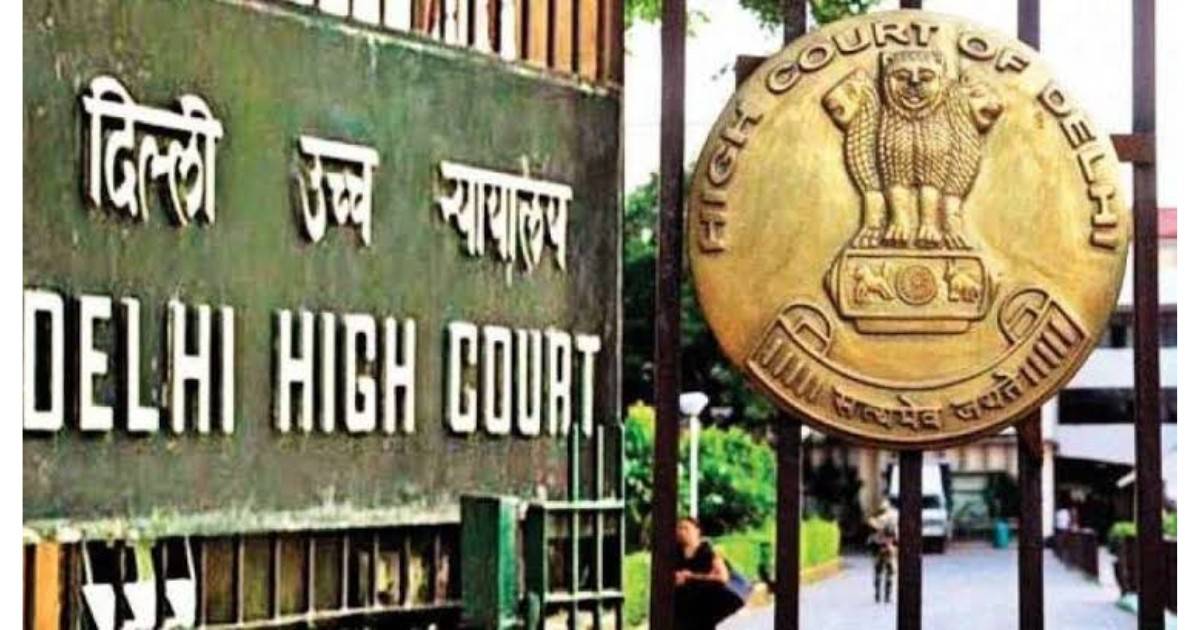
In a significant development, the Delhi HC on April 16 declined to stay proceedings in an assault case linked to Delhi Chief Minister Rekha Gupta. The court also dismissed a petition filed by the accused challenging the trial court’s decision to frame charges.
The ruling ensures that the trial, which is already underway in a lC , will proceed without interruption. The case has drawn public attention due to the unusual motive cited by investigators and its connection to a broader debate on stray animal policies in the capital.
Key Announcements / Highlights
- The High Court refused to pause trial proceedings in the assault case.
- A petition challenging the framing of charges by the trial court was dismissed.
- Charges include attempt to murder, obstruction of a public servant, and criminal conspiracy under the Bharatiya Nyaya Sanhita (BNS).
- The next hearing in the trial court is scheduled for May 21.
- The case is tied to tensions around policies on stray animals in Delhi.
Court’s Decision and Legal Standpoint
The bench, led by Justice Anup Jairam Bhambhani, examined the plea filed by the accused individuals seeking relief from the trial court’s order. After reviewing the submissions, the court found no grounds to intervene at this stage of the legal process.
By dismissing the petition, the High Court effectively upheld the trial court’s earlier decision to frame charges. This means the prosecution’s case has cleared an important legal threshold, where the court determines whether there is sufficient prima facie evidence to proceed with a trial.
Legal experts note that such interventions by higher courts are typically rare unless there is a clear procedural irregularity or lack of evidence. In this instance, the High Court’s refusal suggests that the case meets the minimum legal standard required for trial.
Charges and Accused Individuals
The case stems from an incident that took place in August 2025, when Chief Minister Rekha Gupta was allegedly attacked during a public interaction.
The Tis Hazari Court had earlier, on December 26, 2025, ordered that charges be framed against two accused: Rajesh Khimji and Tahsin Syed.
According to court records:
- Tahsin Syed faces charges under sections related to attempt to murder, obstructing a public servant, and criminal conspiracy.
- Rajesh Khimji faces multiple charges, including attempt to murder, conspiracy, and acts endangering life.
These charges fall under the Bharatiya Nyaya Sanhita (BNS), India’s updated criminal code that replaced the Indian Penal Code (IPC) in 2023. The BNS provisions invoked in this case deal with serious offences involving violence against public officials and coordinated criminal actions.
Details from the Chargesheet
The Delhi Police filed a detailed chargesheet running over 400 pages on October 18, 2025. The document outlines the sequence of events leading up to the alleged attack and provides insight into the accused’s motivations.
Investigators claim that Rajesh Khimji was influenced by a mix of personal beliefs and online content. According to the chargesheet:
- He reportedly had a dream involving a religious symbol (a Shivling) and a dog, which he interpreted as a call to act.
- He believed that stray animals in Delhi were suffering and held the Chief Minister responsible.
- He had consumed social media content, including Facebook videos, that criticized the government’s handling of stray animals.
- He had previously undertaken a fast in Ayodhya in May 2025, reportedly linked to concerns about monkeys.
Police allege that these factors contributed to a growing sense of grievance, which ultimately culminated in the attack.
The chargesheet also outlines an alleged conspiracy between Rajesh Khimji and Tahsin Syed. Authorities claim that the two coordinated their actions and breached security in the Civil Lines area, where the incident occurred.
The Incident and Its Trigger
The alleged attack took place on August 20, 2025, during a public hearing attended by Chief Minister Rekha Gupta. Such hearings are typically designed to allow citizens to raise grievances directly with government officials.
According to investigators, the accused targeted the Chief Minister in response to her stance on a policy issue that had recently sparked debate — the management of stray dogs in Delhi.
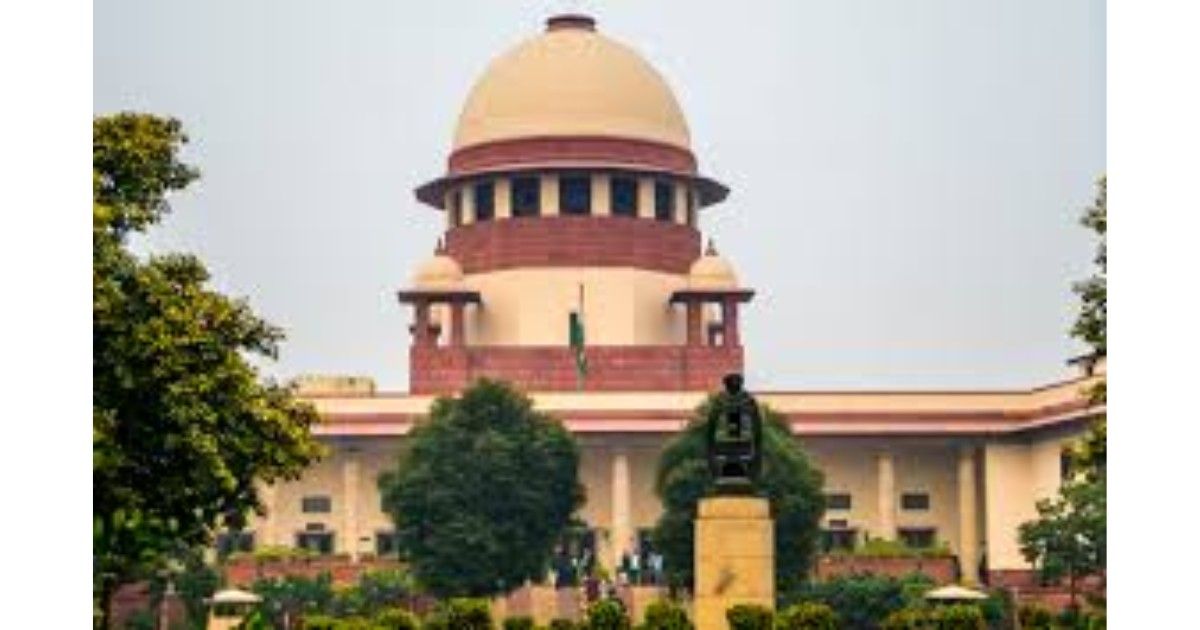
The controversy followed an August 11, 2025 order by the Supreme Court of India regarding the sheltering of stray dogs. The order directed authorities to take steps to manage stray populations through designated shelters rather than relocation or culling.
Gupta’s support for the court’s directive reportedly drew criticism from certain groups, particularly those who felt that the policy was inadequate or harmful.
Police allege that the accused were angered by this stance and saw the public hearing as an opportunity to act.
Official Position and Response
While the High Court’s order did not delve into the merits of the allegations in detail, it reaffirmed the principle that trial courts are the appropriate forum for examining evidence and determining guilt.
Judicial restraint at this stage is consistent with established legal practice. Higher courts typically avoid interfering in ongoing trials unless there is a compelling reason, such as a violation of fundamental rights or a clear miscarriage of justice.
The Delhi Police, in its filings, has maintained that the evidence collected — including witness statements, digital records, and forensic analysis — supports the charges against the accused.
Context and Background
This case sits at the intersection of law enforcement, public safety, and civic policy debates.
In recent years, Delhi has seen increasing tensions around the issue of stray animals, particularly dogs and monkeys. Animal welfare groups, residents, and authorities often hold differing views on how to manage the situation.
The Supreme Court’s August 2025 directive aimed to create a humane framework for dealing with stray animals. However, implementation challenges and public perception have led to disagreements.
The incident involving the Chief Minister highlights how policy debates can sometimes escalate into law-and-order concerns, especially when amplified by social media narratives.
Public Impact and Why This Matters
The High Court’s decision has several implications:
- Continuation of Legal Process: The trial will proceed without delay, ensuring that the case is examined on its merits.
- Judicial Clarity: The ruling reinforces the role of trial courts in handling evidence and determining criminal liability.
- Public Safety Concerns: The case underscores the risks faced by public officials during open interactions with citizens.
- Policy Sensitivity: It highlights how contentious issues, such as animal welfare, can trigger strong reactions.
For the public, the case is a reminder of the importance of lawful expression of dissent. While policy disagreements are a part of democratic discourse, the legal system draws a clear line when it comes to violence or threats against individuals.
What Happens Next
The trial court is set to resume hearings on May 21. During the trial, the prosecution will present its evidence, and the defence will have the opportunity to challenge it.
The court will examine witness testimonies, forensic findings, and other material to determine whether the charges can be proven beyond reasonable doubt.
As the case progresses, it is likely to remain under public and media scrutiny, given its political and social dimensions.
Inputs and images : Hindusthan Samachar
Edited By E. Devanshi varma
Also Read: Rajya Sabha Swears In 16 New Members as Special Session Begins
Follow us on Google News: Click Here