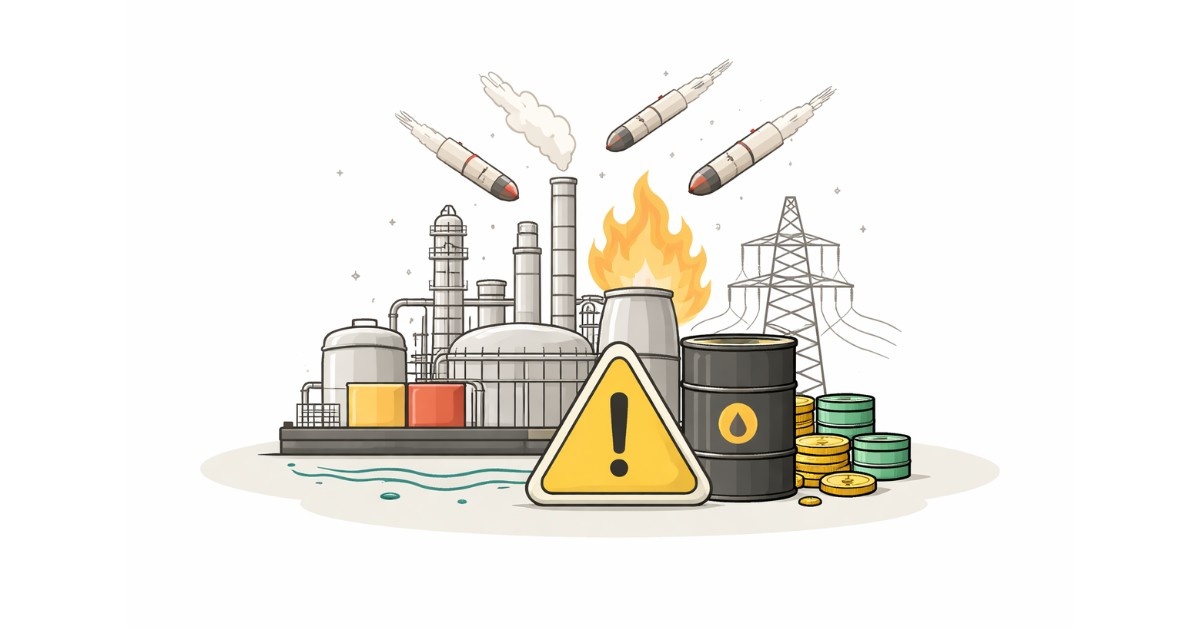


The rising tensions in the Middle East have once again pushed the global community into a state of concern. Military strikes, sharp political statements, and security alerts have created uncertainty across the region. The impact is not limited to local borders. It is affecting oil prices, global trade, air travel routes, and financial markets.
For India, the situation is serious. The country imports a large share of its crude oil from the Middle East. Any disruption can raise fuel prices and increase inflation. Thousands of Indians also live and work in Gulf nations. Their safety remains a top priority.
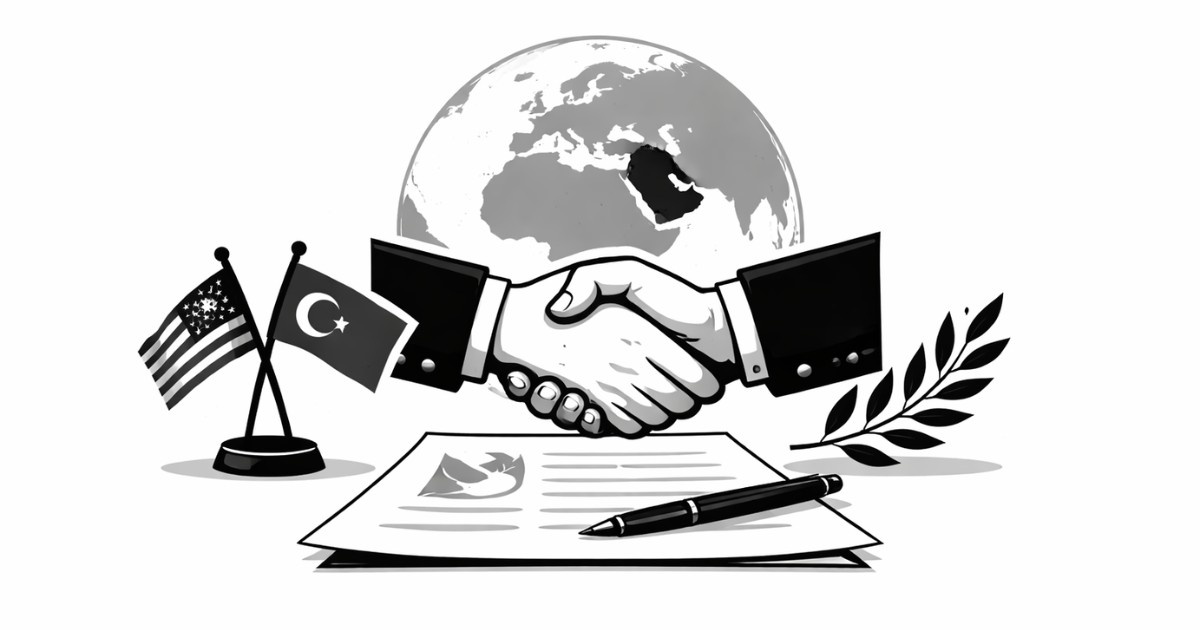
At a time when tensions are high, diplomacy is the only sustainable path forward. Several key global players are now exploring diplomatic efforts to prevent further escalation. Experts believe three major diplomatic moves could help calm the situation and restore stability.
This report explains these diplomatic efforts in clear terms and why they matter for India and the world.
1. Direct Backchannel Talks Between Rival Nations
One of the most powerful diplomatic tools in times of crisis is backchannel communication. These are private discussions between rival countries that take place away from public attention.
In past conflicts, such quiet talks have helped reduce misunderstandings and avoid sudden military action. When leaders communicate directly or through trusted intermediaries, the chances of miscalculation decrease.
Why Backchannel Talks Matter Now
The current Middle East crisis involves countries that have deep political and military differences. Public statements often appear strong and uncompromising. However, history shows that behind-the-scenes talks can open the door for compromise.
If senior officials from the concerned nations begin structured dialogue, even without formal announcements, it could:
- Reduce the risk of sudden military escalation
- Create space for phased de-escalation
- Allow both sides to claim diplomatic success without appearing weak
For India, reduced tension means more stability in oil supplies and safer air travel routes. Airlines have already adjusted flight paths in response to regional security concerns. Continued instability could increase travel time and costs.
Past Lessons From Diplomacy
In earlier regional conflicts, discreet diplomatic channels helped avoid large-scale war. While every situation is different, the principle remains the same: communication lowers risk.
Experts suggest that regional powers such as Saudi Arabia and Qatar could play a quiet mediator role due to their existing diplomatic ties.
2. United Nations-Led Emergency Mediation
Another major diplomatic step could come through formal international mediation. The United Nations has historically played a central role in conflict resolution.
An emergency session of the UN Security Council can provide a structured platform for dialogue. Even if resolutions face political differences, the very act of diplomatic engagement sends a strong signal.
What a UN Mediation Could Achieve
A UN-led initiative may focus on:
- Immediate ceasefire commitments
- Protection of civilian infrastructure
- Humanitarian access corridors
- Confidence-building measures
Such steps may not solve deep-rooted political disputes. However, they can prevent further damage and loss of life.
For global markets, even a temporary ceasefire can calm oil price volatility. India, as the world’s third-largest oil importer, closely monitors such developments.
Impact on Oil and Trade
The Middle East accounts for a large share of global crude oil exports. If tensions affect key supply routes, energy prices can rise quickly.
Any diplomatic progress announced through the United Nations could stabilize markets within days. Investors often respond strongly to signs of de-escalation.
In addition, India maintains strong relations with multiple nations in the region. A multilateral solution supports India’s balanced foreign policy approach.
3. Regional Peace Initiative by Key Gulf States
A third powerful diplomatic move could come from within the region itself. Gulf nations have, in recent years, increased regional cooperation and dialogue.
Countries such as United Arab Emirates and Oman have built reputations for maintaining open communication channels with various sides.
Why Regional Mediation Is Crucial
Regional players understand local political dynamics better than distant global powers. They often have economic partnerships with multiple parties involved in the crisis.
A coordinated Gulf-led peace initiative could include:
- Hosting emergency talks
- Offering neutral negotiation venues
- Creating joint security monitoring frameworks
- Encouraging phased military pullbacks
Such regional diplomacy can be faster and more flexible than global processes.
Benefits for India
India shares strong economic ties with Gulf nations. Trade, energy cooperation, and remittances form the backbone of these relations.
If Gulf states succeed in lowering tensions, it would:
- Protect Indian workers in the region
- Keep crude oil supply stable
- Prevent further airline route disruptions
- Support financial market stability
India’s Ministry of External Affairs continues to monitor developments closely and remains in touch with partners across the region.
How Markets Are Reacting to the Crisis
Financial markets typically respond quickly to geopolitical risks.
In recent days, crude oil prices have shown volatility. Equity markets in Asia and Europe have also seen cautious trading patterns.
Investors watch three key indicators:
- Oil price movement
- Shipping route security
- Official diplomatic statements
If any of the three diplomatic moves discussed above show visible progress, markets may stabilize.
For Indian households, the biggest concern is fuel price impact. Any sustained spike in crude oil prices can affect petrol, diesel, and LPG rates.
Air Travel and Indian Citizens Abroad
Airlines across Asia and Europe have adjusted flight paths to avoid high-risk airspace zones. Longer routes increase fuel use and ticket prices.
Thousands of Indian citizens live in the Gulf region. The government has issued advisories and is monitoring safety conditions.
Diplomatic success would reduce the need for such emergency measures.
Why Diplomacy Is the Only Sustainable Path
Military escalation often leads to unpredictable outcomes. Diplomatic engagement, though slower, offers long-term stability.
The three key diplomatic moves discussed are:
- Direct backchannel communication between rival nations
- United Nations-led emergency mediation
- Regional peace initiatives by Gulf states
None of these steps guarantees immediate peace. However, they significantly reduce the risk of large-scale conflict.
History shows that crises can either deepen divisions or push leaders toward dialogue. The direction taken in the coming days will shape not just the Middle East but also global economic stability.
What to Watch in the Coming Days
Indian readers should monitor:
- Official diplomatic announcements
- UN Security Council meetings
- Oil price movement trends
- Government travel advisories
- Statements from Gulf nations
Any coordinated diplomatic breakthrough could quickly ease tensions.
Conclusion: A Critical Moment for Global Stability
The Middle East stands at a delicate point. Rising tensions have already created global ripple effects.
For India, the stakes are high. Energy security, trade, travel, and the safety of Indian citizens are closely linked to peace in the region.
Diplomacy remains the strongest tool available. If the three powerful moves outlined above gain momentum, the crisis may shift from confrontation toward negotiation.
The next few days and weeks will be crucial. Global leaders now face a clear choice: escalation or engagement.
The world is watching closely.
Edited By: E.Devanshi Varma
Also Read: 3 Powerful Healthy Holi Recipes That Help Avoid Unhealthy Festive Binge
Follow us on google news: Click Here