

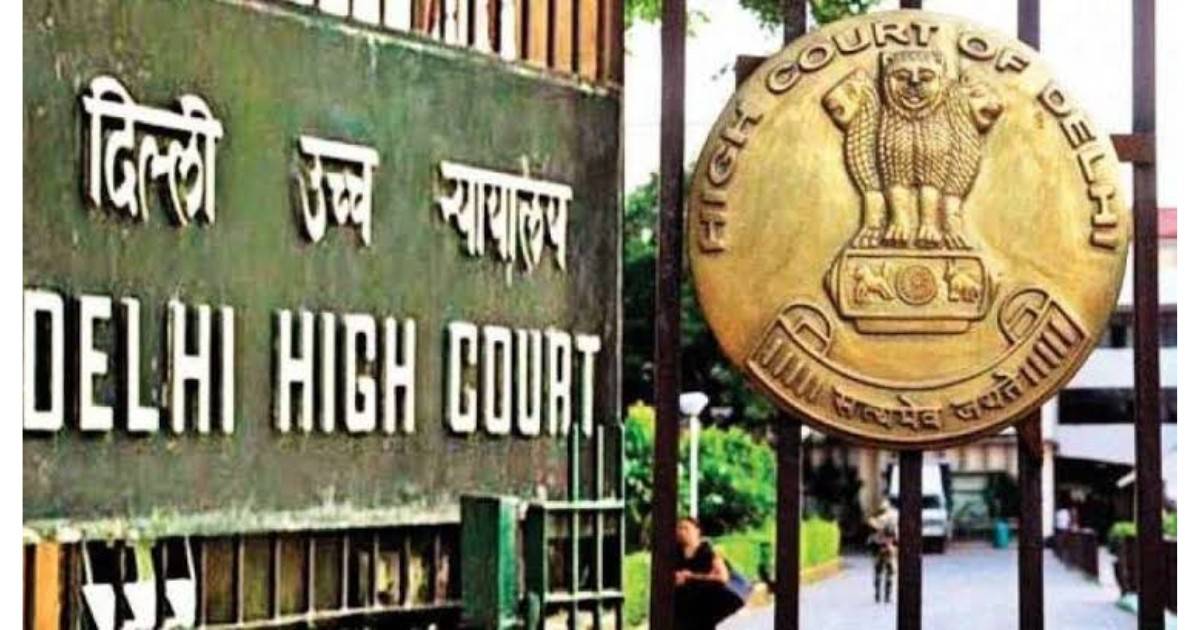
New Delhi, April 23: The Delhi High Court on Thursday directed the removal of videos circulating on social media that purportedly show proceedings from an ongoing judicial hearing involving former Chief Minister Arvind Kejriwal. The court also issued a notice to Kejriwal, seeking his response in connection with the matter.
The order was passed by a bench led by Justice V. Kameshwara Rao during the hearing of a plea filed by senior advocate Vaibhav Singh. The petition concerns the alleged dissemination of video clips from court proceedings related to a recusal request against Justice Swarnakanta Sharma.
Key Announcements / Highlights
- Delhi High Court orders removal of all videos showing judicial proceedings related to the case.
- Notice issued to Arvind Kejriwal over alleged circulation of hearing footage.
- Social media platforms directed to ensure compliance with takedown instructions.
- Dispute arises over whether videos represent authentic courtroom proceedings.
- Petition alleges selective editing and misleading dissemination of court content.
Court Raises Concern Over Circulation of Hearing Videos
During the hearing, the court expressed concern over the public sharing of videos that allegedly capture proceedings from a live judicial hearing. Such dissemination, the bench noted, could undermine the sanctity and integrity of the judicial process.
The petitioner argued that clips of the hearing—particularly those relating to a plea seeking the recusal of Justice Swarnakanta Sharma—had been uploaded across multiple social media platforms. These included X (formerly Twitter), Facebook, Instagram, and YouTube.
According to the plea, the videos were not only circulated widely but were also edited or selectively presented, potentially creating a misleading narrative about what transpired in court.
Directions to Social Media Platforms
The court was informed that tech companies had taken differing approaches to the issue. Representatives of Meta Platforms stated that certain URLs flagged by the petitioner had already been removed from their platforms.
However, Google told the court that it had not removed specific YouTube links, arguing that the videos in question did not appear to be official recordings of court proceedings.
This prompted a response from the petitioner, who maintained that the videos clearly depicted courtroom activity and should be treated as unauthorized recordings. After hearing both sides, the court directed Google to take necessary steps to remove all such content.
The order reinforces the responsibility of digital platforms to act on judicial directions, particularly in matters involving sensitive legal proceedings.
Notice Issued to Arvind Kejriwal
In addition to directing the removal of videos, the High Court issued a formal notice to Arvind Kejriwal. The notice seeks his response to allegations that he, along with others, was involved in the circulation of the video content.
The petition names several individuals, including journalist Ravish Kumar and Congress leader Digvijaya Singh, as well as Aam Aadmi Party (AAP) leaders such as Manish Sisodia, Sanjay Singh, and others.
The plea alleges that these individuals shared or amplified the videos, thereby contributing to their wider circulation.
Allegations of Misrepresentation and Institutional Impact
A central argument in the petition is that the videos were edited or selectively shared in a manner that could mislead the public. The petitioner claims that such actions risk undermining public confidence in the judiciary.
The plea further alleges that the circulation of these clips was intended to exert pressure on both the court and the central government. It contends that presenting partial or distorted versions of judicial proceedings could distort public understanding of the case.
The court did not make any findings on these allegations at this stage but emphasized the importance of preventing unauthorized dissemination of courtroom content.
Background of the Case
The issue arises from a broader legal dispute connected to the Delhi excise policy case. A special trial court had earlier acquitted Arvind Kejriwal in the matter, a decision that has been challenged by the Central Bureau of Investigation (CBI) in the Delhi High Court.
During the course of these proceedings, a plea was filed seeking the recusal of Justice Swarnakanta Sharma from hearing the case. Recusal requests typically arise when a party believes a judge may have a conflict of interest or perceived bias.
However, on April 20, Justice Sharma’s bench rejected Kejriwal’s recusal request, stating that a judge cannot be asked to step aside based solely on conjecture or subjective perceptions of bias.
This decision followed an earlier development on March 22, when Justice Tejaswini Karia had recused herself from the matter, citing personal reservations.
Legal Context: Why Recording Court Proceedings Matters
In India, the recording and broadcasting of court proceedings is a sensitive issue. While the Supreme Court has allowed limited live-streaming in certain cases, unauthorized recording and sharing of courtroom proceedings remain restricted.
The rationale behind such restrictions is to preserve the dignity of the judicial process, ensure fairness, and prevent misinterpretation. Courtroom discussions often involve complex legal arguments that may be misunderstood if presented without full context.
Legal experts note that selectively edited clips can create skewed narratives, especially when shared widely on social media platforms. This can influence public opinion and, in some cases, affect the perceived credibility of the judiciary.
Public Impact and Broader Implications
The High Court’s order is significant in the context of increasing digital dissemination of legal proceedings. As more people rely on social media for information, the risk of partial or misleading content gaining traction has grown.
For the general public, the case highlights the importance of relying on verified and complete information when following legal developments. It also underscores the role of courts in safeguarding institutional integrity in the digital age.
For social media platforms, the directive reinforces their obligation to comply with legal orders and act promptly in removing content deemed inappropriate by judicial authorities.
For political figures and public personalities, the case serves as a reminder of the legal and ethical considerations involved in sharing content related to ongoing judicial matters.
What Happens Next
The matter is expected to come up for further hearing after responses are filed by the parties involved, including Arvind Kejriwal. The court may then examine the allegations in greater detail and determine whether any further action is warranted.
The outcome could have implications not only for the individuals named in the petition but also for how courts address the circulation of judicial content on digital platforms in the future.
As the case progresses, it is likely to contribute to ongoing discussions around transparency, accountability, and the boundaries of public access to judicial proceedings in India’s legal system.
Inputs and images : Hindusthan Samachar
Edited By E. Devanshi varma
Also Read: Supreme Court Hearing Sees 1 Sharp Remark on ‘WhatsApp University’ in Sabarimala Case
Follow us on Google News: Click Here