

New Delhi, April 17:
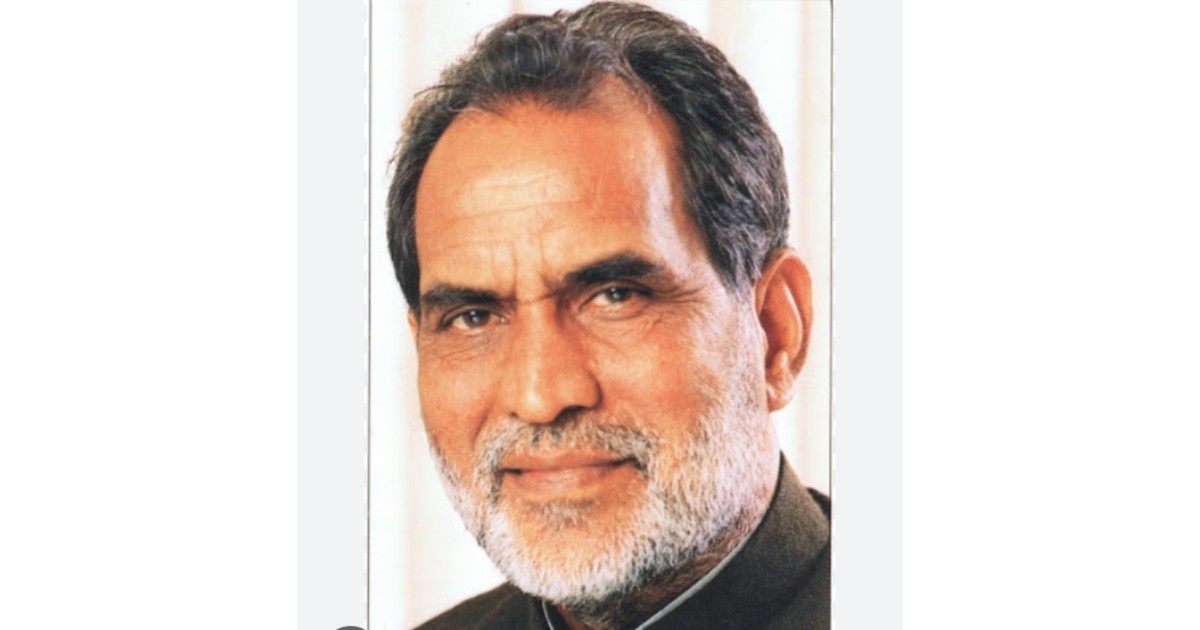
Top political leaders across party lines on Friday paid homage to former Prime Minister Chandra Shekhar on his birth anniversary, remembering him as a leader who stood firmly for democratic values, integrity in public life, and unwavering commitment to national interest.
At a prayer meeting held at Jan Nayak Sthal in the national capital, Vice President C. P. Radhakrishnan, Lok Sabha Speaker Om Birla, and several Union Ministers reflected on Chandra Shekhar’s political legacy, highlighting his fearless approach to governance and his reputation as a leader guided by strong principles rather than political expediency.
Key Announcements and Highlights
The commemorative event saw multiple leaders articulate the enduring relevance of Chandra Shekhar’s political ideals in contemporary India. The following themes emerged prominently from their tributes:
- His unwavering commitment to democratic institutions
- A reputation for speaking truth to power, even within his own party
- Advocacy for social justice and inclusive governance
- Personal simplicity and accessibility despite holding high office
- A legacy of ideological clarity in an era of shifting political alignments
Vice President Radhakrishnan described Chandra Shekhar as a “visionary leader” who possessed a deep understanding of India’s socio-political fabric. He emphasized that the former Prime Minister consistently championed democratic values and encouraged open debate in Parliament.
Lok Sabha Speaker Om Birla echoed similar sentiments, calling him a symbol of courage and principled politics. Birla noted that Chandra Shekhar’s public life was marked by a steadfast commitment to the welfare of citizens and the pursuit of social justice.
Official Statements from Leaders
Union Minister Nitin Gadkari highlighted Chandra Shekhar’s humility and dedication to nation-building. Gadkari remarked that despite holding the highest political office, he remained grounded and accessible, earning respect across ideological divides.
Union Minister Giriraj Singh recalled Chandra Shekhar’s early political years, particularly his role as part of the “Young Turks” within the Congress party. This group was known for challenging established leadership and advocating for reforms. Singh noted that Chandra Shekhar’s willingness to confront issues of governance head-on made him a distinctive voice in Indian politics.
Singh also referenced his opposition to policies during the tenure of former Prime Minister Indira Gandhi, describing it as a defining moment that underscored his commitment to accountability and transparency in governance.
Meanwhile, Union Minister Gajendra Singh Shekhawat praised Chandra Shekhar’s courage and sense of self-respect, noting that he consistently prioritized national interest over political gain. According to Shekhawat, his leadership style reflected a rare blend of conviction and humility.
Collectively, leaders present at the event reiterated their commitment to upholding the values associated with Chandra Shekhar—integrity, simplicity, and service to the nation.
Context and Background
Chandra Shekhar served as India’s Prime Minister from November 1990 to June 1991 during a politically turbulent period. Though his tenure was relatively short, it came at a time of significant economic and political challenges, including rising fiscal deficits and shifting political alliances.
Often referred to as a “people’s leader,” Chandra Shekhar had a long political career that spanned several decades. He began his journey in socialist politics and later became associated with the Congress party before eventually aligning with the Janata Party and other political formations.
One of the defining aspects of his career was his willingness to dissent. As part of the “Young Turks” group in the Congress during the 1960s and 1970s, he pushed for progressive reforms and openly criticized policies he disagreed with. This earned him a reputation as a fearless and independent-minded politician.
His political philosophy was deeply rooted in democratic ideals and social equity. He advocated for policies that aimed to reduce inequality and improve the lives of marginalized communities. Even outside formal positions of power, he remained actively engaged in public discourse, often raising issues of national importance.
Chandra Shekhar was also known for his “Bharat Yatra” in 1983, a nationwide foot march aimed at understanding grassroots issues. This initiative reflected his belief in direct engagement with citizens and his desire to bridge the gap between policymakers and the public.
Why This Matters Today
The tributes paid on Chandra Shekhar’s birth anniversary are not merely ceremonial; they underscore the continued relevance of his political values in today’s context.
In an era marked by rapid political changes and evolving governance challenges, his emphasis on integrity and accountability offers a reference point for public representatives. His ability to maintain ideological consistency while navigating complex political landscapes is often cited as a model for leadership.
His legacy also highlights the importance of dissent in a लोकतांत्रिक (democratic) system. By encouraging open dialogue and debate, he contributed to strengthening parliamentary traditions and ensuring that diverse viewpoints were represented.
Moreover, his focus on simplicity in public life contrasts with the increasing scrutiny on political ethics and transparency. Leaders across parties continue to invoke his example when discussing the need for clean and accountable governance.
Public Impact and Relevance
For citizens, Chandra Shekhar’s legacy translates into several key takeaways:
First, it reinforces the importance of leaders who prioritize public welfare over political expediency. His career demonstrated that it is possible to remain committed to principles while holding positions of power.
Second, his emphasis on grassroots engagement highlights the need for policymakers to stay connected with the realities faced by ordinary people. Initiatives like his Bharat Yatra serve as reminders of the value of direct interaction in shaping effective policies.
Third, his advocacy for social justice continues to resonate in ongoing discussions around inclusive development. Policies aimed at reducing inequality and ensuring equitable access to resources remain central to India’s governance agenda.
Finally, his legacy serves as a benchmark for ethical leadership. In a political environment where public trust is crucial, his example underscores the role of personal integrity in building credibility.
Looking Ahead
As India continues to navigate complex socio-economic challenges, the ideals associated with Chandra Shekhar remain relevant for both policymakers and citizens. The tributes offered by national leaders reflect a broader recognition of the need to uphold democratic values and maintain accountability in governance.
The commemoration also serves as an opportunity to revisit the contributions of leaders who shaped India’s political landscape through their commitment to principles and public service. By recalling his legacy, current leaders signal an intention to draw inspiration from his approach to leadership.
The gathering at Jan Nayak Sthal concluded with a collective reaffirmation of these values, with leaders emphasizing the importance of carrying forward his vision of a just, inclusive, and democratic India.
Inputs and images : Hindusthan Samachar
Edited By E. Devanshi varma
Also Read: Vice President’s 2-Day Sri Lanka Visit Aims to Strengthen Bilateral Ties
Follow us on Google News: Click Here