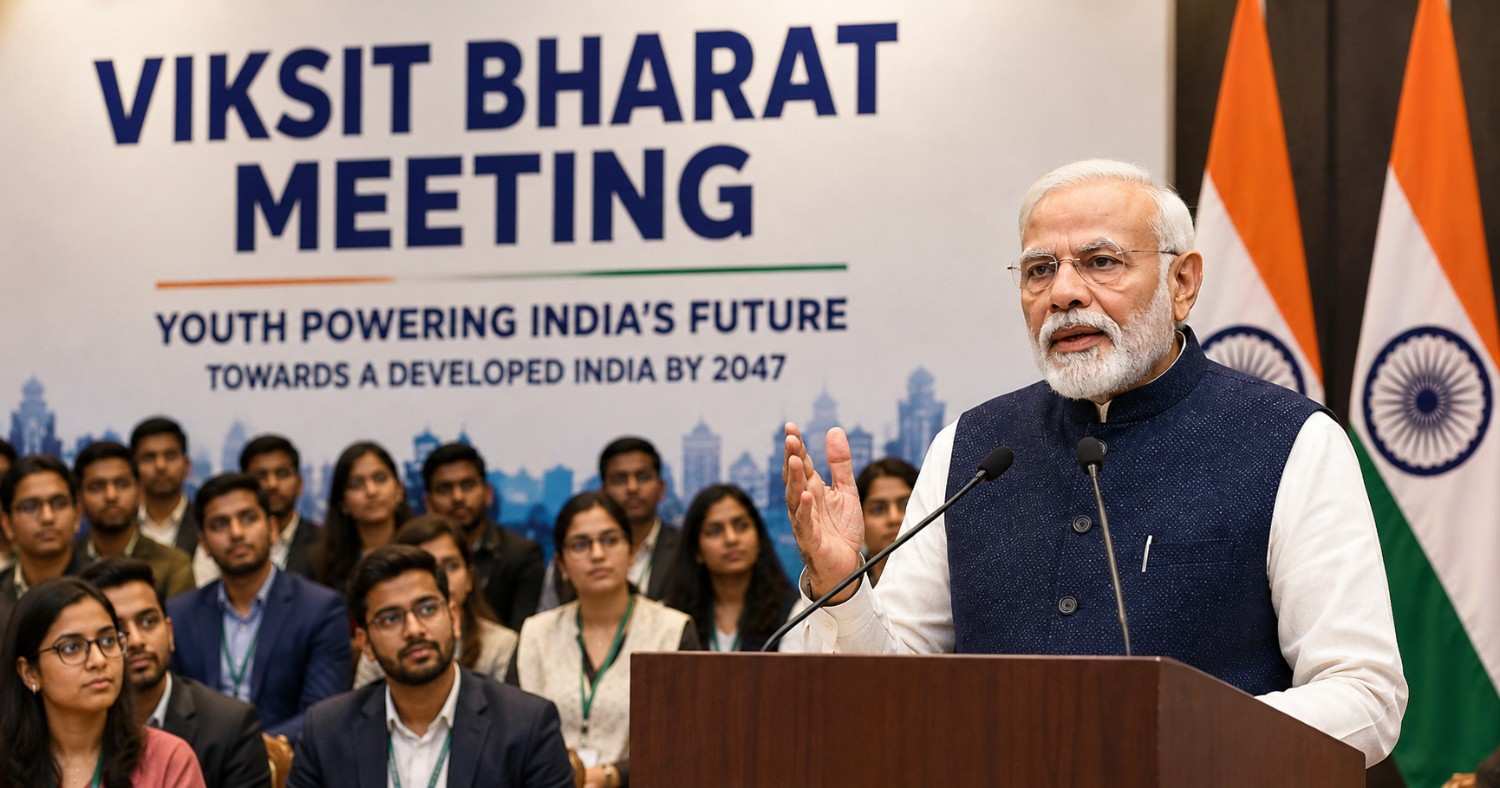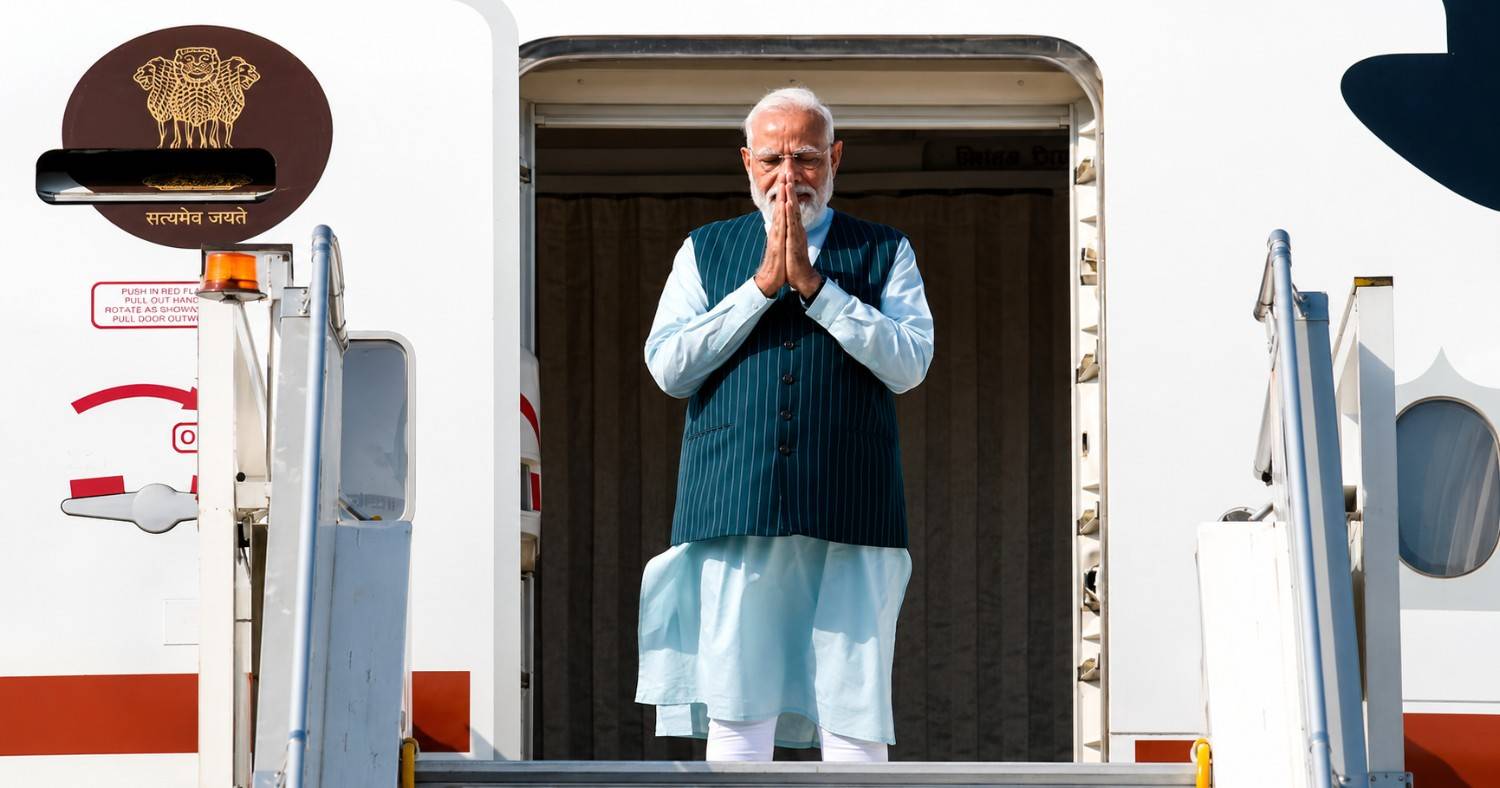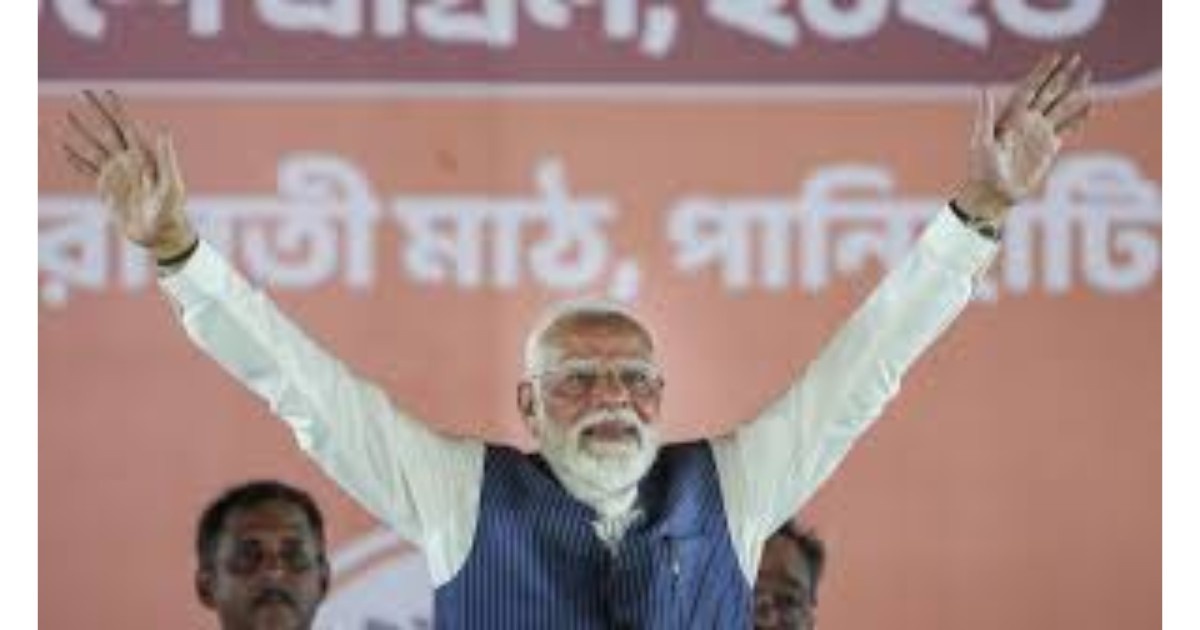


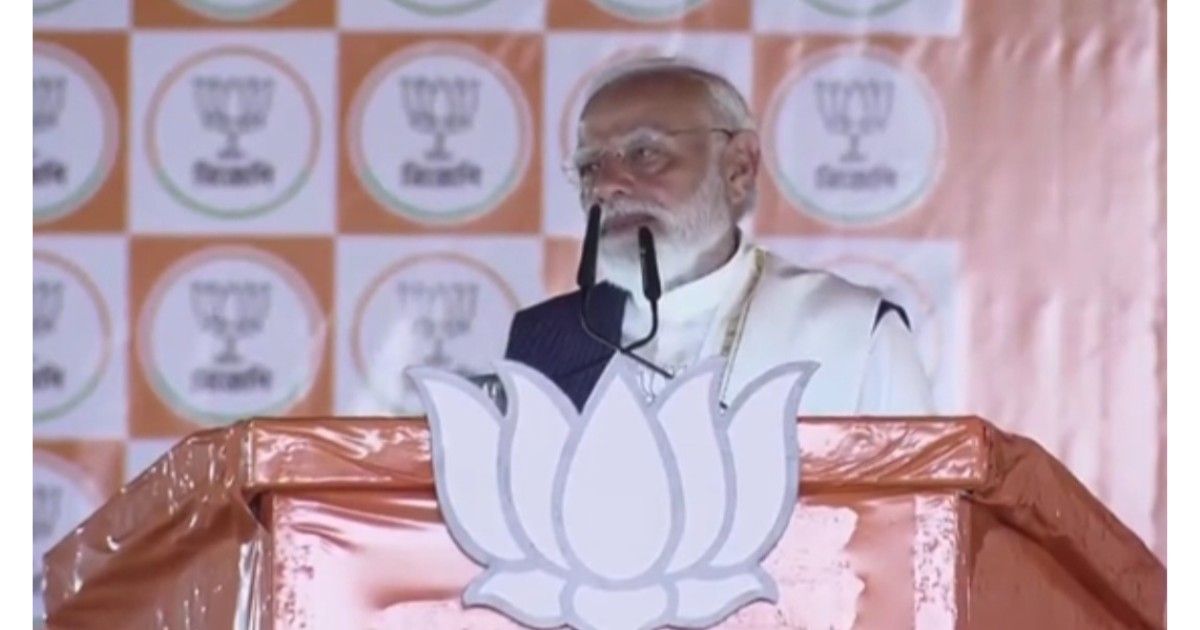
Jadavpur, April 24 — Prime Minister Narendra Modi on Thursday launched a sharp critique of the ruling Trinamool Congress (TMC) while addressing a large public rally in Jadavpur, a prominent academic and political hub in West Bengal. With the state preparing for the second phase of Assembly elections, Modi framed the local sentiment as indicative of broader dissatisfaction with the state government’s performance, particularly in education, employment, and governance.
Positioning the Bharatiya Janata Party (BJP) as an alternative, the Prime Minister called for a decisive electoral mandate, arguing that Bengal’s youth and academic institutions have been adversely affected by what he described as years of policy neglect and administrative failures.
Key Announcements / Highlights
Modi’s speech focused on multiple themes that have been central to the BJP’s campaign in West Bengal. Among the most prominent were:
- Allegations of declining academic standards and increasing political interference in universities
- Concerns over recurring campus unrest, particularly in Jadavpur University
- Criticism of recruitment irregularities, including the teacher recruitment controversy
- Claims of rising unemployment and migration among youth
- Accusations related to illegal infiltration and its perceived impact on local resources and jobs
He used Jadavpur as a symbolic reference point, suggesting that developments in the area reflect broader governance issues across the state.
Education Under Scrutiny
A significant portion of the Prime Minister’s address focused on the state of higher education in West Bengal. Referring to Jadavpur University, he described it as an institution that once held national and international recognition for academic excellence but has, in his view, seen a decline in recent years.
He argued that educational spaces should prioritize academic engagement and research, rather than becoming arenas for political activity. Without citing specific data, Modi claimed that increasing unrest and disruptions on campuses are affecting the learning environment and discouraging academic growth.
The remarks come amid ongoing debates about student activism and political expression within universities, an issue that has drawn differing perspectives from political parties, educators, and civil society.
Education and Jobs: Linking Policy to Employment
The Prime Minister also connected concerns about education to employment outcomes. He reiterated criticism of alleged irregularities in teacher recruitment processes in West Bengal, an issue that has previously been subject to judicial scrutiny and public debate.
Describing the recruitment controversy as damaging to public trust, Modi said such incidents have discouraged qualified candidates and raised questions about transparency in hiring practices. He argued that these developments not only affect individuals seeking employment but also weaken the broader education system.
In contrast, he highlighted employment initiatives in BJP-ruled states, including job fairs and recruitment drives. He stated that coordinated efforts between central and state governments in those regions have resulted in increased job opportunities, though he did not provide specific comparative figures.
The broader narrative presented by the Prime Minister suggested that governance and administrative integrity are directly linked to economic and employment outcomes.
Campus Unrest and Governance Concerns
Referring to past incidents at Jadavpur University, including clashes involving students and political figures, Modi characterized such events as indicative of deeper governance challenges. He suggested that repeated disturbances point to systemic issues rather than isolated incidents.
While addressing the matter, he raised concerns about law and order on campuses and questioned whether authorities have taken adequate steps to ensure stability and safety for students and faculty.
The issue of campus unrest in West Bengal has been widely reported in recent years, often sparking national conversations about the balance between student activism and institutional discipline.
Allegations on Infiltration and Local Impact
Expanding his critique beyond education, the Prime Minister also addressed concerns related to illegal immigration, a recurring theme in BJP’s political messaging in eastern India. He alleged that unchecked infiltration has had consequences for local communities, including pressure on resources and competition for jobs.
According to Modi, such developments contribute to economic insecurity, particularly among young graduates seeking employment. However, these claims remain politically contested, with the TMC and other parties often disputing the scale and framing of the issue.
Official Statement
During the rally, Modi emphasized that the upcoming elections represent an opportunity for change. He stated that voters in Jadavpur and across West Bengal are increasingly vocal about issues such as education quality, employment opportunities, and governance.
He described the BJP as a viable alternative, asserting that the party’s governance model focuses on development, transparency, and infrastructure growth. His remarks were consistent with the broader campaign strategy aimed at positioning the BJP as a challenger to the long-standing TMC administration.
Context and Background
West Bengal has been governed by the Trinamool Congress for over a decade, with Chief Minister Mamata Banerjee leading the state since 2011. During this period, the state has witnessed both development initiatives and political controversies.
The education sector, in particular, has faced scrutiny due to allegations of irregularities in recruitment processes. Investigations and court proceedings related to these issues have kept the matter in public discourse.
Jadavpur University, one of India’s prominent public institutions, has also frequently been at the center of debates around student politics and campus governance. While some view such activism as an essential part of democratic engagement, others argue that it disrupts academic functioning.
As elections approach, these issues have become focal points for political campaigns, with parties presenting contrasting narratives about governance and development.
Public Impact
The issues raised during the rally have direct implications for multiple sections of society:
- Students: Concerns about campus stability and academic quality may influence educational outcomes and career prospects
- Job seekers: Allegations regarding recruitment transparency affect confidence in public sector employment
- Local communities: Discussions around migration and resource allocation contribute to broader socio-economic debates
- Voters: The framing of governance issues is likely to shape electoral choices in the coming phases
For many residents, especially younger voters, employment opportunities and quality education remain key priorities. Political messaging around these topics is therefore expected to play a significant role in influencing public opinion.
Looking Ahead
With the West Bengal Assembly elections entering a crucial phase, political rhetoric is expected to intensify. The Jadavpur rally highlights how education, employment, and governance have emerged as central themes in the campaign.
While the BJP continues to emphasize alleged shortcomings of the current administration, the TMC is likely to counter these claims by highlighting its own development initiatives and welfare programs.
The coming weeks will determine how these competing narratives resonate with voters, particularly in urban and semi-urban constituencies like Jadavpur, where issues of education and employment are especially prominent.
Inputs and images : Hindusthan Samachar
Edited By E. Devanshi varma
Follow us on Google News: Click Here