

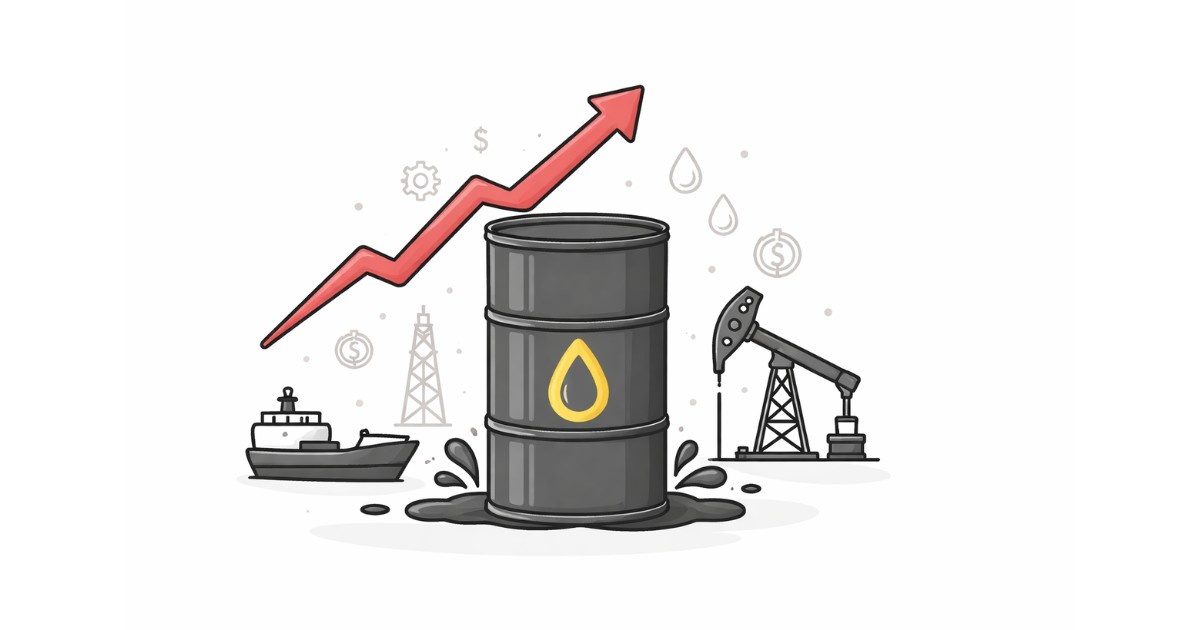
Global oil prices have experienced a notable upward movement in recent sessions, drawing attention from policymakers, investors, and industry stakeholders. Analysts attribute the spike to a combination of geopolitical developments, supply-side constraints, and evolving demand expectations. Benchmark crude prices, including Brent and West Texas Intermediate (WTI), have recorded gains amid uncertainty surrounding global energy flows.
Market participants are closely monitoring developments involving major oil-producing regions, policy decisions from key organizations such as OPEC and its allies, and economic indicators from major consuming countries. The current price trajectory reflects a complex interplay of these factors rather than a single triggering event.
Geopolitical Tensions Influence Supply Outlook
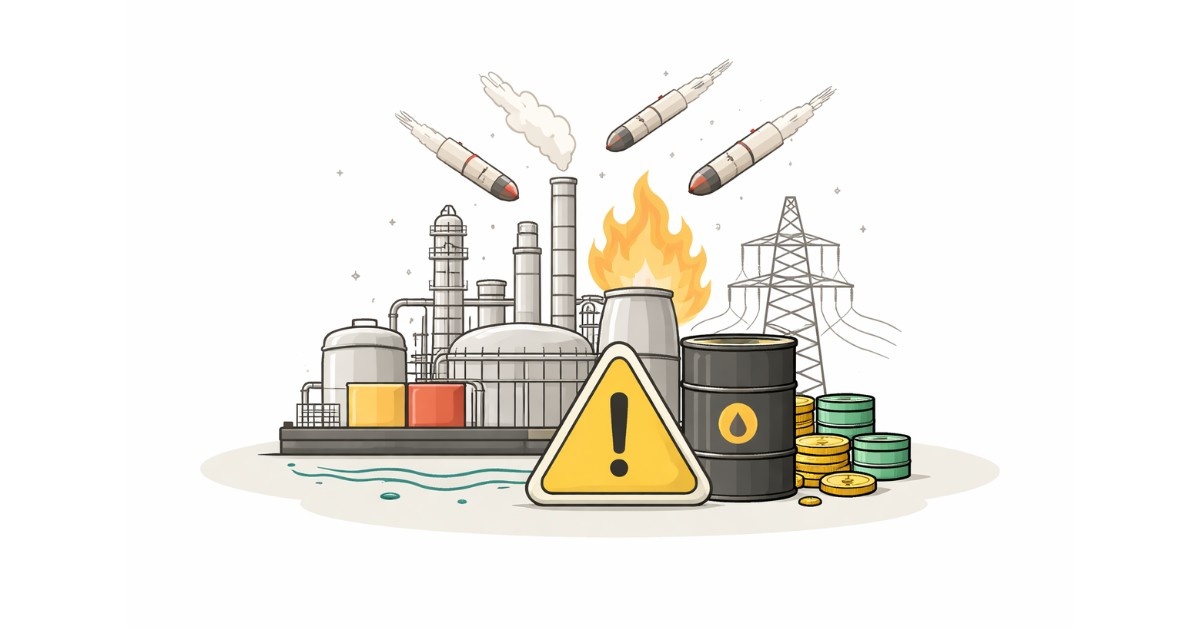
One of the primary drivers behind the recent price increase is heightened geopolitical tension in key oil-producing regions. Conflicts and instability in parts of the Middle East and Eastern Europe have raised concerns about potential disruptions to oil supply chains.
Industry analysts note that even the perception of risk can influence pricing. Traders often factor in a “risk premium” when there is uncertainty about supply continuity. Shipping routes, including critical chokepoints such as the Strait of Hormuz, remain under close observation due to their strategic importance in global oil transport.
While no major supply disruption has been confirmed at the time of writing, the market response indicates sensitivity to geopolitical developments. Governments and international organizations continue to call for stability, emphasizing the importance of uninterrupted energy supply.
Production Policies by OPEC+ Remain Central
Production strategies by OPEC and its broader alliance, commonly referred to as OPEC+, continue to play a significant role in shaping oil prices. The group has previously implemented production cuts aimed at stabilizing the market and supporting prices.
Recent statements from officials within the alliance suggest a cautious approach toward increasing output. According to publicly available communications, member countries are balancing concerns about oversupply against the need to maintain market stability.
Energy economists point out that even minor adjustments in production quotas can have a substantial impact on global prices. With supply already perceived as tight, any indication that production increases may be delayed has contributed to upward pressure on prices.
Demand Signals from Major Economies
Demand expectations are another key factor influencing the oil market. Economic data from major consumers, including the United States, China, and India, are closely scrutinized for signs of growth or slowdown.
Recent indicators suggest mixed trends. While some economies have shown resilience in industrial activity and transportation demand, others are experiencing slower growth due to inflationary pressures and monetary tightening.
In India, for instance, steady economic activity and rising mobility have supported fuel consumption. Meanwhile, in China, policy measures aimed at stimulating economic growth are expected to influence future demand, though recovery remains uneven.
The International Energy Agency has indicated in recent reports that global oil demand is likely to continue growing, albeit at a moderated pace compared to previous years. Such projections contribute to market expectations of sustained consumption, supporting current price levels.
Inventory Levels and Market Sentiment
Global oil inventories also play a crucial role in determining price movements. Data from various agencies indicate that stockpiles in some regions have declined, contributing to a perception of tightening supply.
Lower inventory levels can amplify price volatility, as markets become more sensitive to disruptions. Traders often react quickly to inventory reports, adjusting positions based on perceived supply-demand imbalances.
In addition to physical supply metrics, financial market sentiment has also influenced oil prices. Increased participation by institutional investors and hedge funds can lead to sharper price movements, particularly during periods of uncertainty.
Currency Movements and Inflationary Pressures
Oil prices are typically denominated in U.S. dollars, making currency fluctuations an important factor. A weaker dollar can make oil more affordable for buyers using other currencies, potentially boosting demand and supporting prices.
At the same time, inflationary pressures in various economies have added complexity to the market. Higher fuel costs can contribute to broader inflation, prompting central banks to adjust monetary policies.
Economists note that the relationship between oil prices and inflation is cyclical. Rising energy costs can lead to tighter financial conditions, which in turn may dampen demand over time. This dynamic creates uncertainty about the sustainability of current price levels.
Impact on Consumers and Industries
The recent increase in oil prices has implications for both consumers and industries. Higher crude prices often translate into increased costs for petrol, diesel, and other fuels, affecting transportation and logistics expenses.
Sectors such as aviation, shipping, and manufacturing are particularly sensitive to fuel price changes. Companies in these industries may face margin pressures if they are unable to pass on higher costs to consumers.
For households, rising fuel prices can impact overall spending patterns. In many countries, governments monitor price movements closely and may intervene through policy measures such as subsidies or tax adjustments to mitigate the impact.
Policy Responses and Strategic Reserves
Governments have several tools at their disposal to respond to rising oil prices. These include releasing strategic petroleum reserves, adjusting fuel taxes, and engaging in diplomatic efforts to stabilize supply.
In previous instances of price volatility, coordinated releases from strategic reserves have been used to increase supply and moderate prices. However, such measures are typically considered temporary solutions.
Policymakers are also focusing on long-term strategies, including investment in renewable energy and efforts to reduce dependence on fossil fuels. While these initiatives are unlikely to have an immediate impact on current price levels, they are part of broader efforts to enhance energy security.
Outlook for the Oil Market
Looking ahead, analysts expect oil prices to remain sensitive to a range of factors, including geopolitical developments, production decisions, and economic data. The balance between supply and demand will continue to be the primary determinant of price trends.
Some market participants anticipate continued volatility, particularly if geopolitical tensions persist or if there are unexpected changes in production policies. Others suggest that prices could stabilize if supply conditions improve and demand growth moderates.
The International Monetary Fund has highlighted the importance of stable energy markets for global economic growth. In its assessments, the organization has noted that sustained price volatility can pose risks to both developed and emerging economies.
Conclusion
The recent spike in oil prices reflects a convergence of multiple factors rather than a single cause. Geopolitical uncertainties, production strategies by OPEC, evolving demand patterns, and financial market dynamics have all contributed to the current situation.
While the market remains dynamic, stakeholders across sectors are closely monitoring developments to assess potential impacts. As global energy systems continue to evolve, the interplay between traditional and emerging energy sources will likely shape future price trends.
For now, the oil market remains in a state of heightened attention, with both risks and opportunities influencing its trajectory in the coming weeks and months.
Edited By E. Devanshi varma
Also Read: 7 Key Market Moves: Sensex Jumps 700 Points, Nifty Sees Sharp Surge on March 18
Follow us on Google News: Click Here