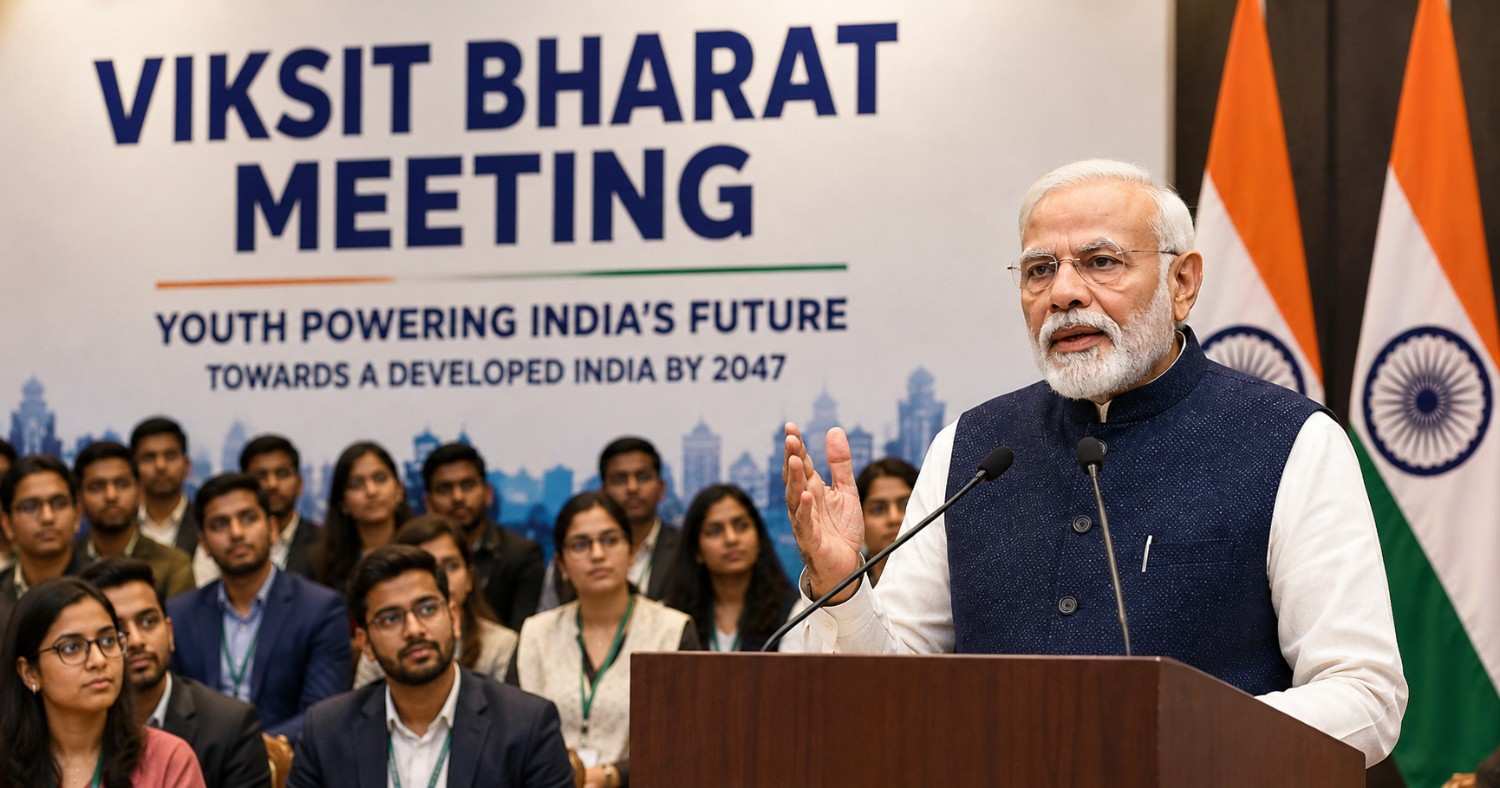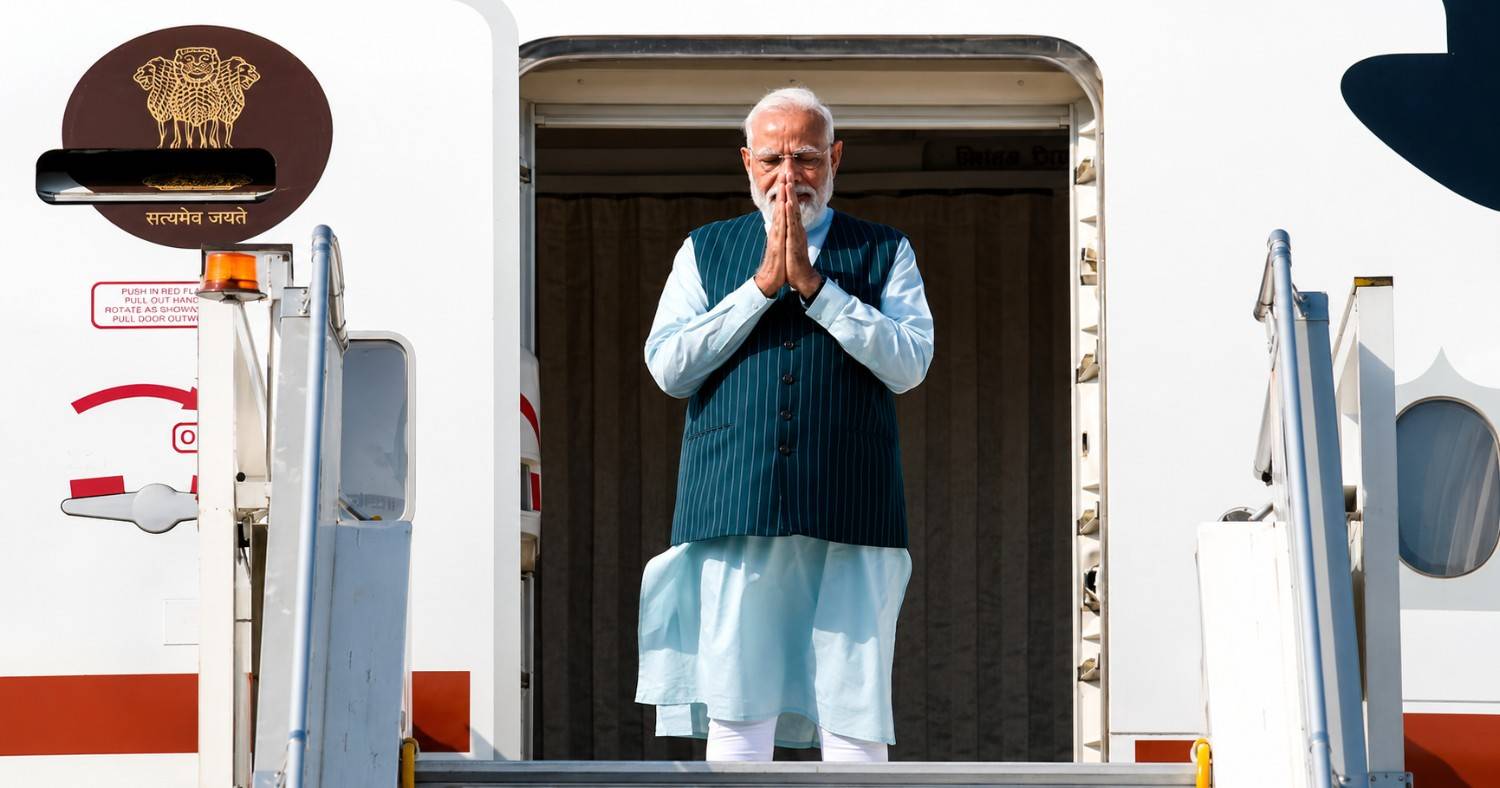


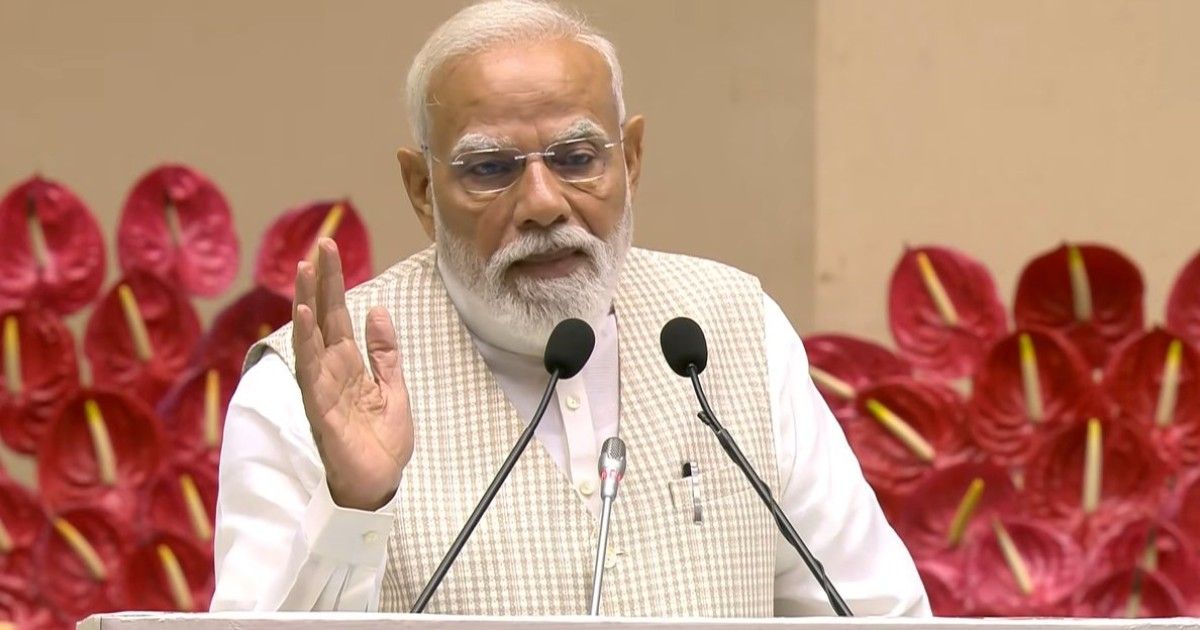
New Delhi, April 13 — Prime Minister Narendra Modi on Monday described the Nari Shakti Vandan Adhiniyam, also known as the Women’s Reservation Act, as one of the most significant milestones of the 21st century. Speaking at the ‘Nari Shakti Vandan Sammelan’ held at Vigyan Bhawan, he emphasized that the legislation represents a decisive step toward enhancing women’s representation in India’s political system and strengthening democratic institutions.
The law, passed in September 2023, provides for 33% reservation for women in the Lok Sabha and state legislative assemblies. Its implementation is expected to begin in the coming parliamentary sessions, with the government indicating that operational steps will be taken soon.
Key Announcements and Highlights
- The government is preparing for the implementation phase of the Women’s Reservation Act.
- A special parliamentary session starting April 16 is expected to focus on advancing the process.
- The legislation mandates one-third reservation for women in Parliament and state assemblies.
- The move is aimed at increasing women’s participation across governance levels—from local bodies to national institutions.
- The Prime Minister stressed collaboration and consensus as essential for effective implementation.
PM’s Address: Focus on Democratic Strength and Inclusion
In his address, Prime Minister Modi framed the legislation as both a symbolic and structural reform. He said the Act not only fulfills a long-standing demand for women’s reservation but also reflects India’s commitment to inclusive governance.
He noted that discussions around reserving seats for women in legislatures have continued for decades, cutting across political lines and generations. The eventual passage of the bill in 2023 marked the culmination of these efforts.
The Prime Minister also expressed confidence that the implementation process would move forward smoothly through dialogue and cooperation among stakeholders. He emphasized that such reforms contribute to the dignity of Parliament and reinforce democratic resilience.
Rising Participation of Women in Governance
Highlighting broader trends, Modi pointed to the increasing presence of women in key leadership roles across the country. From holding constitutional offices to leading major ministries, women are playing a growing role in shaping policy and governance.
He cited the example of Panchayati Raj institutions, where women’s participation has expanded significantly. According to government data, over 1.4 million women are currently serving in local self-government bodies. In several states, women now hold more than 50% of these positions, reflecting the impact of earlier reservation policies at the grassroots level.
This rise in representation, the Prime Minister said, demonstrates how policy interventions can reshape participation and decision-making structures over time.
Personal Anecdote and Grassroots Impact
Drawing from his tenure as Chief Minister of Gujarat, Modi shared an anecdote about a woman sarpanch who led her village with a focus on poverty eradication. He described her as an example of how empowered women leaders can bring practical and community-focused solutions to governance.
Such experiences, he suggested, underscore the importance of expanding opportunities for women in political leadership roles. According to him, women often bring a perspective that prioritizes welfare, inclusion, and long-term development outcomes.
Government Schemes Supporting Women’s Empowerment
The Prime Minister also outlined several government initiatives aimed at improving women’s economic and social status, linking them to the broader goal of “women-led development.”
Among the key initiatives mentioned:
- Financial Inclusion: Under the Pradhan Mantri Jan Dhan Yojana, over 320 million bank accounts have been opened for women, enabling access to formal financial systems.
- Entrepreneurship Support: The Mudra Yojana has extended a majority of its loans to women entrepreneurs, encouraging small business growth.
- Startup Ecosystem: A significant proportion of startups in India now include at least one woman director, indicating increased participation in innovation-driven sectors.
- Maternity Benefits: Paid maternity leave has been extended to 26 weeks, aimed at improving maternal and child health.
- Skill Development: Programs under Skill India and initiatives like Drone Didi are designed to equip women with modern skills.
- Social Welfare Schemes: Initiatives such as Beti Bachao Beti Padhao, Sukanya Samriddhi Yojana, and PM Matru Vandana Yojana aim to support women at different stages of life.
These schemes, he said, are part of a lifecycle-based approach to empowerment, addressing education, health, financial independence, and employment.
Context and Background of the Women’s Reservation Act
The idea of reserving seats for women in legislative bodies has been debated in India for nearly three decades. Multiple attempts to pass such a bill were made in the past, but consensus remained elusive.
The passage of the Nari Shakti Vandan Adhiniyam in 2023 marked a turning point. The bill received broad political support, reflecting a shared recognition of the need to improve gender representation in lawmaking bodies.
However, its implementation is linked to future delimitation exercises and census data, which will determine how seats are allocated. This means that while the law is in place, its full operational impact will unfold over time.
Why This Matters: Public and Political Impact
The implementation of the Women’s Reservation Act is expected to have far-reaching implications:
- Increased Representation: Women will have greater presence in legislative bodies, potentially influencing policy priorities.
- Policy Outcomes: Studies globally suggest that higher female representation often leads to stronger focus on health, education, and social welfare.
- Political Inclusion: The Act could encourage more women to enter politics, reducing existing gender gaps.
- Democratic Deepening: Broader participation is likely to strengthen democratic processes and accountability.
At the same time, experts note that effective implementation will require capacity-building, political support, and institutional readiness to ensure that increased representation translates into meaningful participation.
Looking Ahead
The government’s next steps will focus on operationalizing the provisions of the Act. The upcoming parliamentary sessions are expected to lay the groundwork for its rollout.
The Prime Minister reiterated that the success of the initiative will depend on collective effort, emphasizing the importance of cooperation among political parties and institutions.
He also called for continued efforts to create opportunities for women across sectors, noting that their contributions have historically played a vital role in shaping the nation—from the independence movement to the framing of the Constitution.
As India moves toward implementing the Nari Shakti Vandan Adhiniyam, the focus will remain on translating legislative intent into tangible outcomes, ensuring that women’s participation in governance becomes both broader and more impactful.
Inputs and images : Hindusthan Samachar
Edited By E. Devanshi varma
Also Read: Rongali Bihu 2026 Sees Vibrant Cultural Surge Across Assam Ahead of Goru Bihu
Follow us on Google News: Click Here