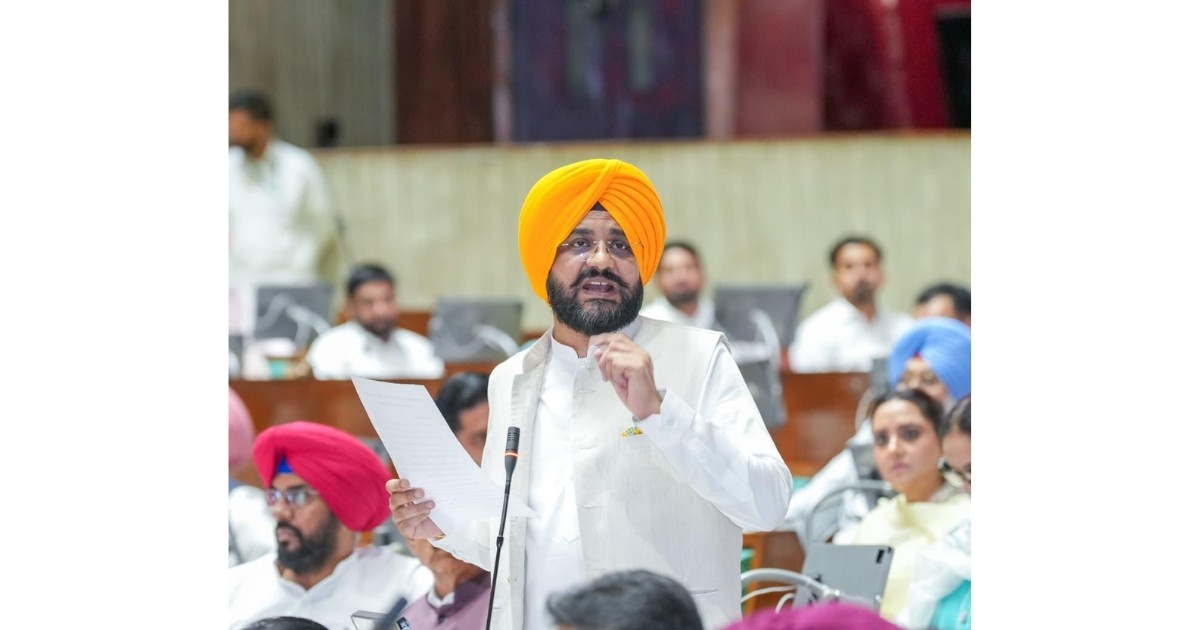


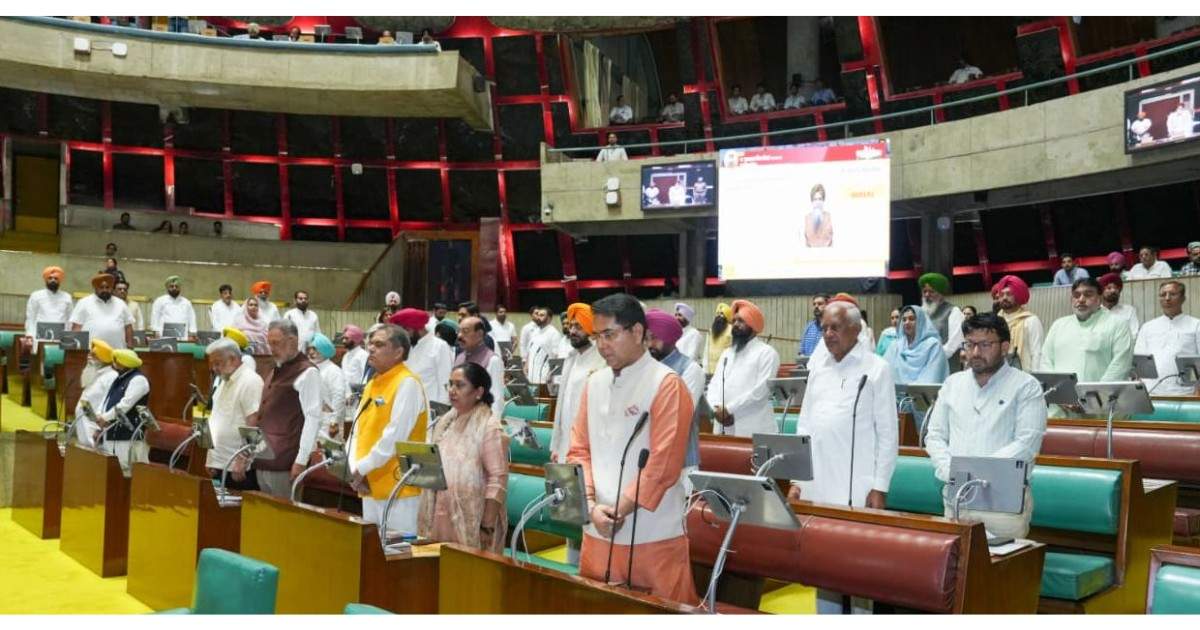
The Punjab Vidhan Sabha on Friday paused its legislative proceedings to pay tribute to several prominent individuals who passed away since its last session. The commemorative moment took place during a special sitting of the 16th Punjab Legislative Assembly in Chandigarh, where members across party lines joined in expressing condolences and acknowledging the contributions of the departed.
As part of the traditional obituary references, the Assembly remembered four notable personalities from diverse fields, including public service, defense, arts, and sports. The House also observed a two-minute silence as a mark of respect.
Key Highlights from the Assembly Session
- The Assembly paid tribute to four distinguished individuals who passed away recently.
- Those remembered included a freedom fighter, a renowned photographer, a senior military officer, and an Olympian hockey player.
- Members observed a two-minute silence during the session.
- The tributes were part of formal obituary references, a long-standing parliamentary tradition.
Individuals Remembered
During the session, members paid homage to:
Chaman Lal, a freedom fighter associated with the Praja Mandal movement, which played a significant role in mobilizing people in princely states against colonial and feudal rule.
Raghu Rai, one of India’s most celebrated photographers, known for his extensive work documenting India’s social, cultural, and political life. His contributions to photojournalism earned him national and international recognition.
Lieutenant General Deepinder Singh, a decorated Indo-Pak war veteran who served the Indian Army with distinction. His leadership and service during critical military operations were acknowledged by the House.
Gurbax Singh Grewal, a former Olympian hockey player who represented India at the international level, contributing to the country’s rich legacy in the sport.
Official Proceedings and Observances
The obituary references were conducted in accordance with established legislative protocol. Such references are typically held at the beginning of a session to formally acknowledge the passing of notable individuals connected to the state or nation.
Members of the Assembly stood in silence for two minutes, reflecting a shared moment of respect and remembrance. The gesture symbolized not only personal condolences but also institutional recognition of the contributions made by the departed.
Though brief, the observance carried significance, underscoring the Assembly’s role not only as a law-making body but also as a forum that recognizes public service and societal contributions.
Understanding Obituary References in Legislative Practice
Obituary references are a common feature in parliamentary democracies, including India’s state assemblies and Parliament. These references serve multiple purposes:
- Recognition of Contributions: They acknowledge the work and impact of individuals in public life or other significant fields.
- Institutional Respect: They reflect the respect of the legislative body toward those who have shaped society.
- Public Record: The tributes become part of official proceedings, ensuring that contributions are documented in legislative history.
In many cases, obituary references extend beyond politicians to include individuals from various walks of life, such as artists, athletes, scientists, and social reformers.
Context and Background
The Punjab Vidhan Sabha, like other state legislatures in India, periodically convenes sessions to discuss governance, pass legislation, and address public issues. Special sessions may be called for specific purposes, including urgent legislative matters or ceremonial observances.
The Praja Mandal movement, referenced during the tribute to Chaman Lal, was a significant chapter in India’s freedom struggle. It involved organized efforts by citizens in princely states to demand democratic rights and integration with independent India.
Similarly, figures like Raghu Rai represent India’s cultural documentation through visual storytelling. His work has captured key historical moments, making photography an essential part of the country’s narrative.
The mention of Lt. Gen. Deepinder Singh highlights the continued acknowledgment of military service within civilian institutions. Veterans of the Indo-Pak wars are often recognized for their role in safeguarding national sovereignty.
In sports, hockey holds a special place in Punjab’s history. Players like Gurbax Singh Grewal contributed to India’s international achievements in the sport, which remains a source of regional pride.
Why This Moment Matters
While obituary references may appear ceremonial, they serve a deeper purpose in public life. They offer an opportunity for collective reflection on the contributions of individuals who shaped society in different ways.
For citizens, such moments reinforce the idea that public service, creativity, and excellence in any field are valued and remembered. They also bridge generational gaps by reminding younger audiences of historical figures and their contributions.
In the context of governance, these tributes reflect a non-partisan aspect of legislative functioning. Regardless of political differences, members come together to honor shared values such as service, dedication, and achievement.
Public Impact and Relevance
The individuals remembered during the session represent different segments of society, making the tribute relevant to a broad audience:
- Freedom fighters remind citizens of the sacrifices made during India’s independence movement.
- Artists and photographers contribute to cultural preservation and awareness.
- Military personnel symbolize national security and service.
- Athletes inspire youth and promote sportsmanship.
By acknowledging these contributions, the Assembly sends a message about the importance of diverse forms of service and achievement.
For families and communities associated with the departed, such recognition from a legislative body holds emotional and symbolic value. It affirms that their contributions have left a lasting impact.
Legislative Traditions and Continuity
The observance of obituary references reflects the continuity of democratic traditions in India. Such practices have been carried forward from earlier legislative bodies and continue to be an integral part of parliamentary functioning.
They also highlight the human aspect of governance. Beyond debates and policymaking, legislative institutions engage in moments of empathy and reflection, recognizing that governance is ultimately about people and their contributions.
Looking Ahead
Following the obituary references, the Assembly is expected to proceed with its scheduled legislative business. While the tribute segment is brief, it sets a tone of respect and reflection at the outset of proceedings.
As the state continues to address governance challenges and policy priorities, such moments serve as reminders of the broader values that underpin public life—service, integrity, and contribution to society.
Inputs and images : Hindusthan Samachar
Edited By E. Devanshi varma
Also Read: Assam Assembly Polls See 7 Major Highlights as Turnout Peaks, Counting Set for May 4
Follow us on Google News: Click Here