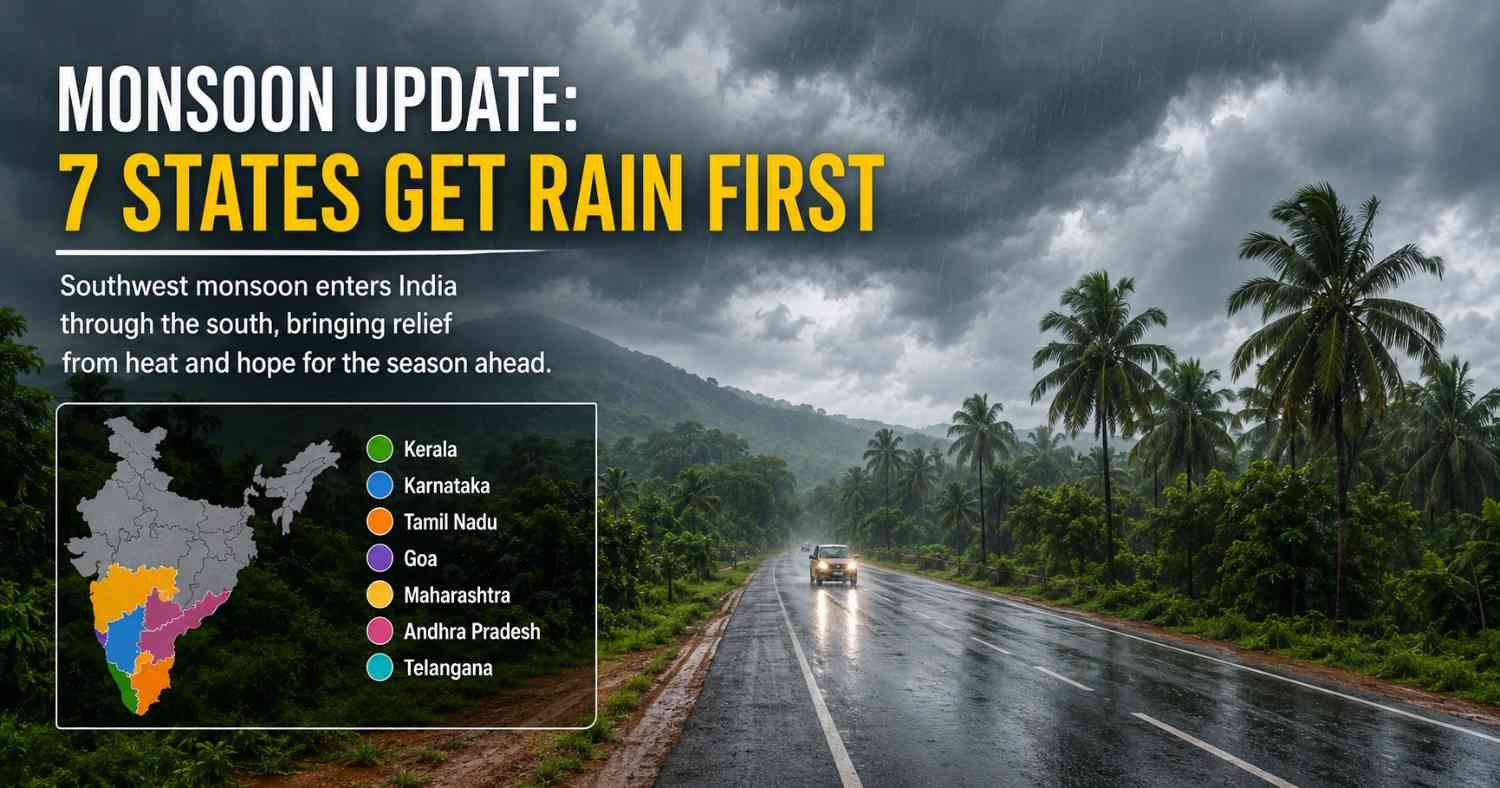


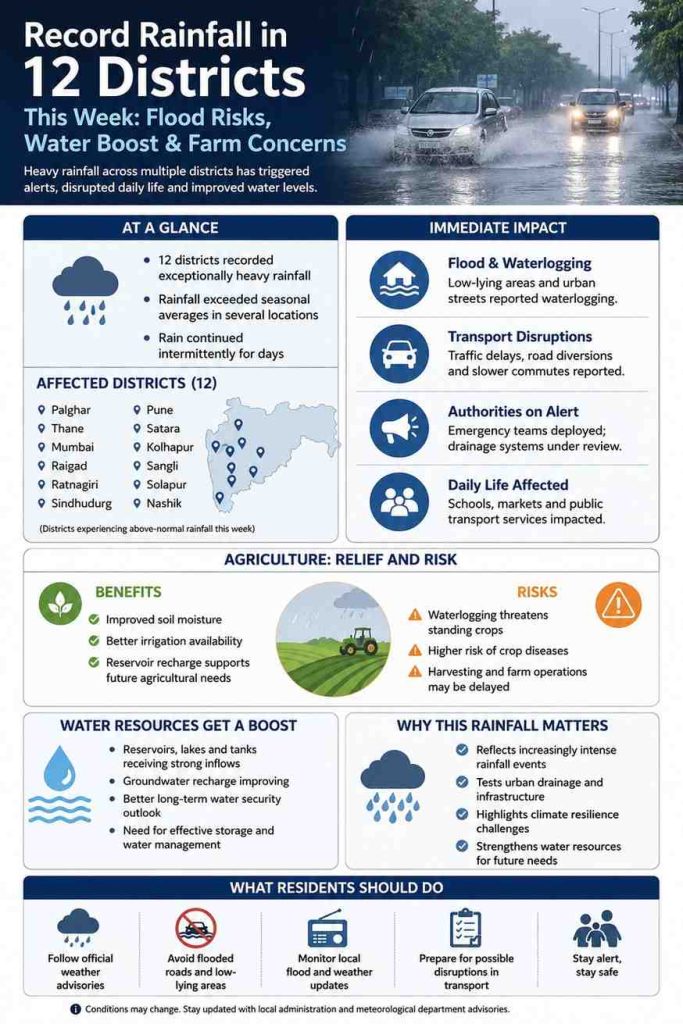
Several districts across the region have experienced unusually heavy rainfall this week, prompting weather authorities to issue alerts, local administrations to activate emergency response measures, and residents to prepare for possible flooding and disruptions. According to meteorological observations, rainfall levels in multiple districts have exceeded seasonal averages, making this one of the most significant wet spells recorded in recent months.
The intense rainfall has brought both benefits and challenges. While reservoirs, lakes, and groundwater sources have received a substantial boost, concerns are growing over waterlogging, flash floods, transportation disruptions, and potential damage to standing crops. Authorities are closely monitoring river levels and drainage systems as the weather pattern continues to evolve.
Rainfall Activity Intensifies Across Multiple Districts
Meteorologists have attributed the widespread rainfall to a combination of favorable atmospheric conditions, including moisture-laden winds, low-pressure systems, and active monsoon circulation. These weather systems have resulted in persistent showers and, in some areas, episodes of very heavy rainfall.
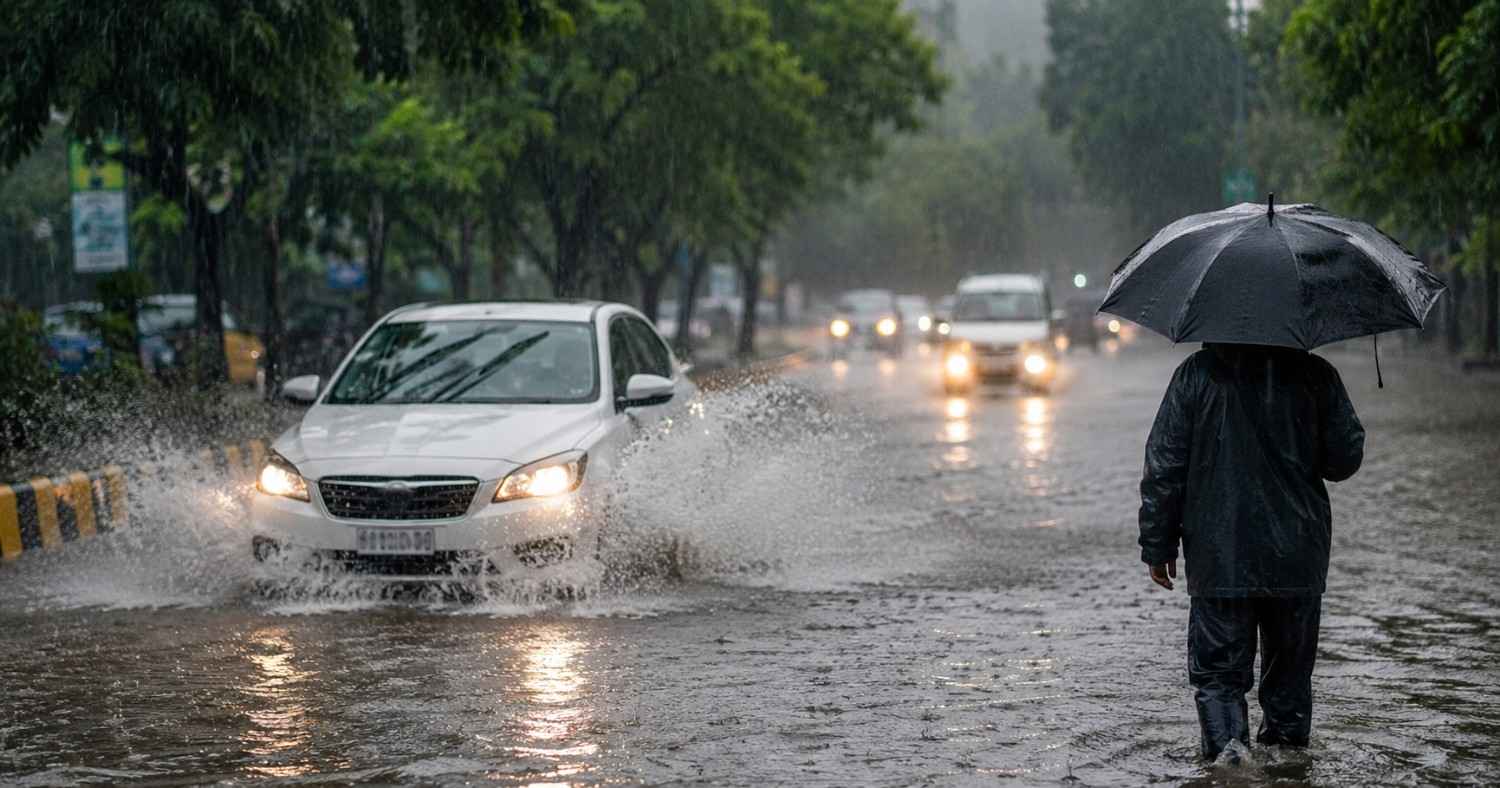
Several districts reported rainfall totals significantly above their weekly averages. Urban centers experienced water accumulation on roads, while rural regions witnessed overflowing streams, ponds, and irrigation channels. In many locations, rainfall continued intermittently for several days, preventing water from draining effectively and increasing the risk of localized flooding.
Weather experts note that the current rainfall pattern reflects the highly variable nature of modern monsoon systems, which increasingly produce short-duration but intense precipitation events. Such events can overwhelm local infrastructure even when annual rainfall totals remain within historical norms.
Flood Preparedness Measures Activated
District administrations have stepped up preparedness efforts in response to the heavy rainfall. Emergency teams have been placed on standby, while disaster management departments are closely monitoring vulnerable locations, including low-lying settlements, riverbanks, and flood-prone urban neighborhoods.
Authorities have conducted inspections of drainage networks and flood-control infrastructure. In some areas, precautionary advisories have been issued urging residents to avoid unnecessary travel during periods of intense rainfall.
Public works departments are also working to clear blocked drains and remove debris that could impede water flow. Local officials have emphasized the importance of community cooperation, particularly in maintaining unclogged drainage channels and reporting areas experiencing severe water accumulation.
Transportation and Daily Life Affected
Heavy rainfall has disrupted daily routines in several districts. Commuters faced delays due to waterlogged roads, reduced visibility, and slower traffic movement. In certain areas, temporary diversions were introduced after roads became partially submerged.
Public transportation services also reported delays as rainfall affected operating conditions. School administrations in some locations reviewed weather advisories and monitored local conditions to ensure student safety.
Businesses in low-lying commercial zones reported reduced customer activity as residents chose to remain indoors during periods of heavy precipitation. Markets, roadside vendors, and small enterprises were among the sectors experiencing temporary disruptions.
Although most essential services remained operational, officials warned that continued rainfall could increase pressure on transportation networks and municipal infrastructure.
Impact on Agriculture: Relief and Risk
The agricultural sector often experiences mixed effects during periods of heavy rainfall, and the current weather situation is no exception.
For many farmers, the rainfall has replenished soil moisture levels and improved water availability for crops. Reservoirs and irrigation systems have benefited from increased inflows, which may support agricultural activities in the coming weeks.
However, excessive rainfall can also create serious challenges. Waterlogged fields may affect crop growth, delay harvesting activities, and increase the likelihood of plant diseases. Farmers cultivating vegetables, pulses, and other sensitive crops are particularly vulnerable to prolonged standing water.
Agricultural experts recommend careful field monitoring, improved drainage where feasible, and timely intervention to prevent disease outbreaks. Crop losses are not inevitable, but extended wet conditions can significantly increase risks if preventive measures are not taken.
Reservoirs and Water Resources Receive a Boost
One of the most significant positive outcomes of the rainfall has been the improvement in water storage levels. Reservoirs, tanks, lakes, and groundwater recharge zones have all benefited from sustained precipitation.
Water resource officials report rising storage levels in several major reservoirs. Increased inflows can help strengthen water security during future dry periods and reduce pressure on drinking water supplies.
Groundwater recharge is particularly important in areas that experienced below-average rainfall in previous seasons. Improved recharge levels may support agricultural, industrial, and domestic water needs over the longer term.
Experts caution, however, that effective water management remains essential. Capturing and storing excess rainfall can provide lasting benefits, whereas inadequate infrastructure may allow valuable water resources to be lost through runoff.
Urban Flooding Remains a Growing Challenge
The rainfall has once again highlighted concerns about urban flood resilience. Rapid urbanization, reduced natural drainage pathways, and increasing surface concretization have made many cities more vulnerable to waterlogging during heavy rain events.
Even moderate rainfall can cause flooding in areas where drainage systems are insufficient or poorly maintained. During intense weather episodes, the problem becomes considerably more severe.
Urban planners and environmental experts have repeatedly emphasized the need for sustainable drainage solutions, improved stormwater management, and protection of natural water bodies that help absorb excess rainfall.
As climate patterns continue to evolve, cities may need to invest more heavily in infrastructure capable of handling increasingly intense rainfall events.
Weather Forecast and Outlook
Meteorological agencies indicate that rainfall activity may continue in several districts over the coming days. While the intensity may vary from one location to another, weather experts are closely monitoring atmospheric developments that could influence future precipitation levels.
Residents have been advised to stay updated through official weather bulletins and local administration advisories. People living in flood-prone or low-lying areas are encouraged to remain alert, particularly during periods of sustained heavy rainfall.
Emergency response agencies continue to monitor conditions around rivers, reservoirs, and vulnerable settlements. The situation remains dynamic, and authorities have stressed the importance of preparedness rather than panic.
The rainfall episode serves as a reminder of the increasingly complex challenges associated with modern weather systems. While the rains have improved water availability and strengthened reservoir levels, they have also underscored the importance of resilient infrastructure, effective disaster preparedness, and sustainable water management. As districts continue to receive significant precipitation, the focus remains on minimizing risks, protecting communities, and ensuring that the benefits of the rainfall are balanced against its potential impacts.
Highlights
- Heavy rainfall this week has pushed precipitation levels above seasonal averages in multiple districts.
- Authorities have activated flood preparedness measures and increased monitoring of vulnerable areas.
- Waterlogging and transportation disruptions have been reported in several urban and rural locations.
- Reservoirs, lakes, and groundwater sources have received a significant boost from the sustained rainfall.
- Farmers may benefit from improved soil moisture, though prolonged waterlogging could threaten some crops.
- Experts say intense short-duration rainfall events are becoming an increasingly important weather challenge.
- Weather agencies expect rainfall activity to continue in parts of the region over the coming days.
FAQ
What caused the heavy rainfall across these districts?
Meteorologists attribute the rainfall to active monsoon conditions, moisture-rich winds, and favorable atmospheric systems that have supported widespread precipitation.
Which areas are most vulnerable to flooding?
Low-lying settlements, riverbank communities, and urban areas with inadequate drainage infrastructure are generally at greater risk during prolonged heavy rainfall.
How has the rainfall affected agriculture?
The rainfall has improved soil moisture and water availability but may also create risks such as crop damage, waterlogging, and increased plant disease pressure if wet conditions persist.
Are reservoirs benefiting from the rainfall?
Yes. Reservoirs, lakes, tanks, and groundwater recharge zones have experienced increased inflows, improving overall water resource availability.
Has transportation been affected?
Several districts have reported traffic delays, waterlogged roads, and disruptions to normal commuting patterns due to persistent rainfall.
What precautions are authorities taking?
Local administrations have activated emergency response mechanisms, monitored flood-prone areas, inspected drainage systems, and issued weather advisories.
Could rainfall continue in the coming days?
Weather agencies indicate that rainfall activity may persist in some districts, though intensity levels could vary depending on local atmospheric conditions.
Why are cities experiencing more waterlogging during heavy rain?
Urban expansion, loss of natural drainage channels, increased concrete surfaces, and aging stormwater infrastructure can reduce the ability of cities to manage intense rainfall effectively.
Edited By E. Devanshi varma
Also Read: IPL Honey-Trap Row Sparks 7 Big Questions Before Playoffs
Follow us on Google News: Click Here