

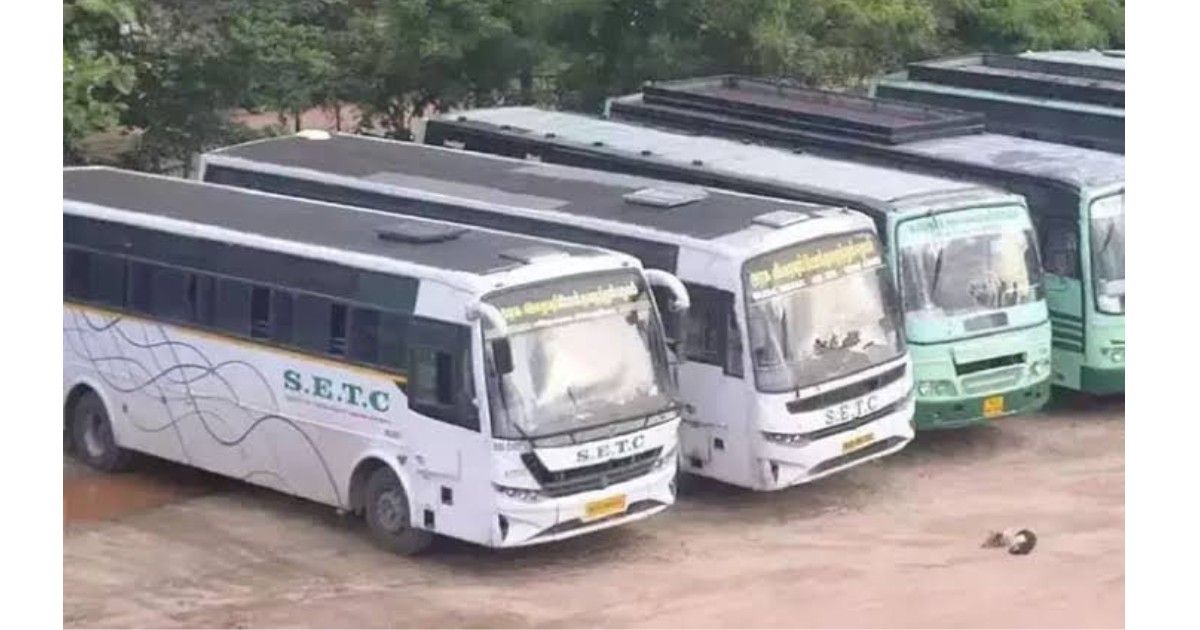
With voting for the Tamil Nadu Assembly elections scheduled for April 23, transport authorities have significantly expanded public travel arrangements to accommodate a surge in passengers leaving Chennai. The State Express Transport Corporation (SETC) has deployed over 6,000 special buses from the city on April 22, aiming to ensure that voters can reach their hometowns in time to participate in the democratic process.
The large-scale mobilization comes amid expectations of heavy inter-district travel, a recurring trend during elections when urban residents return to their native constituencies to cast their votes.
Expanded Bus Services to Meet Election Demand
According to official information, a total of 6,132 special buses have been introduced on April 22, in addition to the existing 2,092 scheduled services operating from Chennai. This combined fleet is intended to handle the sharp increase in passenger volume typically seen ahead of polling day.
Officials have indicated that the move is part of a broader logistical effort to avoid overcrowding and ensure smooth transit. The deployment reflects a proactive approach by the transport department, anticipating peak demand rather than reacting to it.
Further strengthening the plan, authorities have earmarked an additional 1,505 special buses for April 23, the day of polling. These services are expected to cater primarily to last-minute travelers and those returning to Chennai after casting their votes.
Key Departure Points Identified
To streamline operations and reduce congestion, transport officials have designated three major bus terminals in Chennai as primary departure hubs:
- Koyambedu Omni Bus Stand
- Kilambakkam Bus Terminus
- Madhavaram Bus Terminal
These locations have been selected based on their capacity to handle high passenger volumes and their connectivity to different regions of the state. By distributing departures across multiple hubs, authorities aim to minimize bottlenecks and ensure smoother passenger flow.
Officials believe that this decentralized approach will help manage crowd density more effectively compared to concentrating all services in a single terminal.
Feeder Services to Improve Connectivity
In addition to long-distance bus services, the Metropolitan Transport Corporation (MTC) has introduced round-the-clock feeder services linking key bus terminals. These services will operate continuously between Koyambedu, Kilambakkam, and Madhavaram, allowing passengers to easily access their departure points.
The feeder network is particularly important for commuters traveling from different parts of Chennai, as it reduces reliance on private transport and ensures better last-mile connectivity.
Transport planners have emphasized that integrating local and long-distance services is critical during peak travel periods, especially when passenger movement is time-sensitive, such as during elections.
Advisory for Passengers
Authorities have urged passengers to book tickets in advance to avoid inconvenience. Given the high demand, last-minute travel arrangements could result in delays or unavailability of seats.
Advance reservations are also expected to help reduce overcrowding at bus terminals, enabling smoother boarding processes and better crowd management. Officials have highlighted that planned travel not only benefits passengers but also supports operational efficiency.
Passengers have been encouraged to use official booking platforms and avoid relying on unverified agents, particularly during peak periods when demand can lead to irregularities.
Concerns Over Private Bus Fare Surge
While public transport services have been scaled up, several commuters have reported a sharp increase in fares charged by private omni bus operators. According to passenger accounts, ticket prices on some routes have surged to nearly three times the usual rates.
This spike has raised concerns about affordability and fairness, especially for those who depend on private operators due to timing or route constraints. Commuters have called for regulatory intervention to prevent excessive pricing during critical periods such as elections.
Transport authorities have not yet announced specific measures to address these complaints, but the issue has once again highlighted the challenges of balancing demand and pricing in the private transport sector.
Why This Matters
Elections in Tamil Nadu often see significant voter participation, and facilitating travel is a key factor in ensuring that citizens can exercise their voting rights. Many residents of Chennai originally belong to other districts and prefer to vote in their home constituencies, making inter-city transport a crucial component of election logistics.
By increasing the number of buses, authorities are addressing a practical barrier to voting—accessibility. Without adequate transport options, some voters might be unable to travel in time, potentially affecting turnout.
The initiative also reflects the broader role of public infrastructure in supporting democratic processes. Efficient transport systems can directly influence participation levels, particularly in states with high internal migration.
Background: Election Travel Trends in Tamil Nadu
Tamil Nadu has a long-standing pattern of large-scale travel during elections. Cities like Chennai, which attract workers and students from across the state, witness a temporary reverse migration as polling day approaches.
Transport corporations typically respond by introducing special services, but the scale of deployment varies depending on expected demand. This year’s arrangement, involving over 6,000 additional buses, suggests a particularly high level of preparedness.
In previous elections, overcrowding and ticket shortages were common complaints. Authorities appear to be attempting to address those issues through early planning and expanded capacity.
Public Impact and Accessibility
The increased bus services are expected to benefit a wide range of passengers, including daily wage workers, students, and families traveling together. For many, public buses remain the most affordable and reliable mode of transport.
By maintaining standard fares in government-operated services, the initiative also provides a counterbalance to rising private bus costs. This ensures that essential travel remains accessible to lower- and middle-income groups.
The availability of feeder services further enhances accessibility, particularly for those without private vehicles. It reduces dependency on costly alternatives and simplifies the travel process.
However, the effectiveness of these measures will depend on execution. Crowd management, punctuality, and coordination between different transport units will be critical in determining the overall success of the plan.
Operational Preparedness and Expectations
Transport officials have expressed confidence that the expanded fleet and supporting arrangements will be sufficient to handle the election rush. Measures such as staggered departures, increased staff presence, and real-time monitoring are likely to be in place to manage operations.
Authorities are also expected to coordinate with local law enforcement to maintain order at bus terminals and ensure passenger safety.
Given the scale of deployment, this exercise serves as a test of the state’s transport infrastructure under high-demand conditions. Successful implementation could set a benchmark for future elections and other large-scale events.
Looking Ahead
As polling day approaches, the focus will shift to how effectively these arrangements translate into on-ground experience for passengers. While the increased number of buses is a significant step, issues such as fare regulation, passenger convenience, and timely service delivery will remain under scrutiny.
The coming days will reveal whether the transport strategy succeeds in its primary objective—enabling voters to travel without undue difficulty and participate in the electoral process.
Inputs and images : Hindusthan Samachar
Edited By E. Devanshi varma
Also Read: Nashik Fraud Case Expands as 32 Fake Accounts Linked to Ashok Kharat Surface
Follow us on Google News: Click Here